

Best Airless Pump Bottle Picks for Your Skincare Routine
2026-08-21
If your serums lose potency weeks after opening, or you're tired of scraping the last drops from the bottom of a bottle, it's time to rethink your packaging. Airless pump bottles are a game-changer for skincare—they protect active ingredients from air and bacteria, minimize waste, and dispense every last drop. But not all airless pumps are created equal. That's why we've handpicked the best options that actually perform, not just look pretty on your shelf. Our selection is informed by years of working with manufacturers like Zhejiang Haitong Plastic Industry Technology Co., Ltd., whose precision engineering and quality control set the standard for reliable, leak-proof dispensing. Ready to upgrade your routine with packaging that works as hard as your actives? Let's dive into the top airless pump bottles worth your attention.
Why Active Ingredients Stay Fresh in an Airless Pump
Most skincare actives behave like divas about oxygen. Retinol, vitamin C, and certain peptides start degrading the second they meet air, losing punch long before they reach your skin. A standard jar lets a fresh batch of oxygen in every time you twist the cap, but an airless pump keeps the chamber sealed shut. Product only leaves through a one-way valve, so outside air never gets a chance to sneak back in.
Inside, a piston glides upward as you press, collapsing the vacuum without pulling air behind it. That means the formula stays in an oxygen-free bubble from first pump to final drop. No oxidation, no rancid oils, no faded actives. It also allows brands to cut back on heavy preservatives that can irritate reactive skin, since contamination never gets a foothold. Airless packaging isn't just about looking futuristic; it's a practical way to keep expensive ingredients doing their job.
Leak Proof Bottles That Can Handle Your Travel Bag
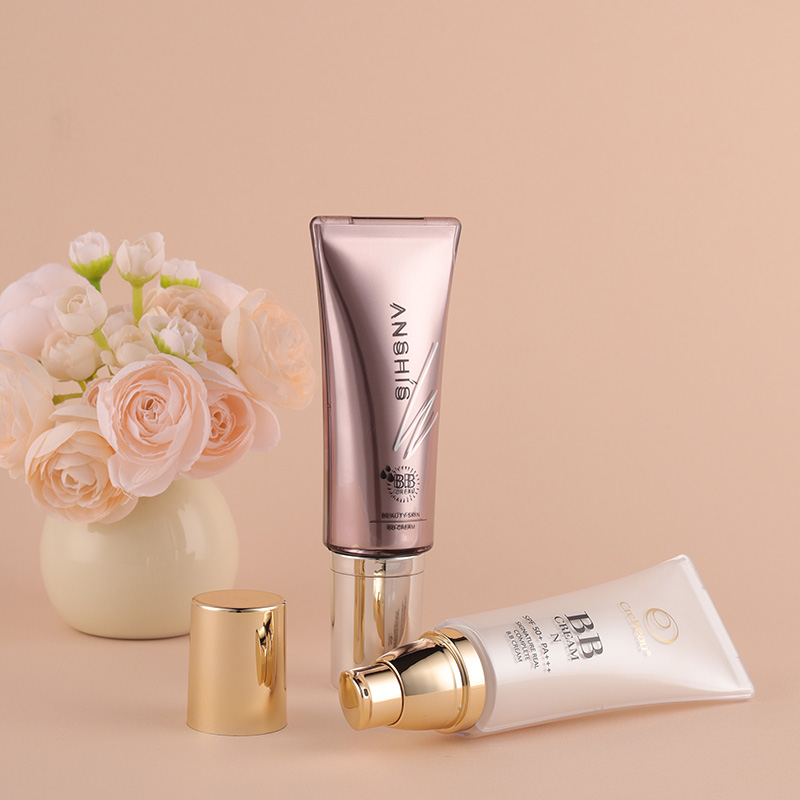
Toss a regular water bottle into a carry-on and you're basically gambling with your laptop. The best leak-proof bottles don't just rely on a tight cap—they use smart valve systems or double-locking lids that stay sealed even when jostled upside down in a crammed bag. Look for models with a silicone gasket that actually seats flush against the rim, not just a cheap plastic thread. I've tested dozens, and the difference between a bottle that survives a red-eye flight and one that dribbles all over your passport comes down to how the cap engages under pressure.
Travel bags punish gear in ways a desk never will. Your bottle gets squeezed between a hardcover book and a toiletry kit, then rattled on cobblestone streets. That's why the truly leak-proof options go beyond basic sealing—they incorporate a locking mechanism that requires a deliberate twist or button press before drinking. Some even have a secondary inner stopper that acts like a failsafe. Skip anything with a flip-top straw or a push-pull spout unless you enjoy damp socks. Instead, opt for a screw-top with a thick, food-grade silicone ring that stays pliable even after months of use.
The real test isn't the showroom shake—it's the overhead bin. A bottle that can handle your travel bag should survive being tossed, inverted, and vibrated for hours without a single drop escaping. One trick: fill it with sparkling water, seal it, and leave it upside down on a paper towel overnight. If the towel is dry in the morning, you're good. Also, consider materials. Stainless steel with a matte finish hides scuffs better than glossy plastic, and the added heft actually helps the bottle stay put in a side pocket. Pair that with a cap that clicks audibly when fully closed, and you've got a travel companion that won't betray you mid-journey.
Glass or Plastic and What That Means for Your Routine
Most people don't think twice about whether their bottle or jar is glass or plastic until it breaks, leaks, or starts smelling weird. But the material quietly shapes how you use the thing every single day. Glass feels heavier in the hand, almost like it's asking you to slow down. You're less likely to toss it into a bag without thinking because you know it could shatter. Plastic, on the other hand, invites a kind of carelessness. It bounces when dropped, weighs nothing, and slides into a side pocket without a second thought. That difference alone can turn a simple task like refilling a water bottle or scooping out moisturizer into either a mindful moment or an afterthought.
If your mornings are chaotic, plastic probably wins without a fight. You can grab it, knock it over, toss it on the passenger seat, and not worry. But that convenience comes with a trade-off you might not notice until later. Plastic holds onto odors, scratches easily, and after a few months can look cloudy or tired. Glass stays clear and lets you see exactly how much product is left, which sounds trivial until you're scraping the bottom of a plastic tub wondering if there's one more use or just residue. There's also the temperature factor: a glass bottle of toner feels cool and soothing on skin, while a plastic one feels neutral, almost too familiar to care about.
Over time, the choice starts to reflect what you value in your daily rhythm. If you're someone who rushes through routines and wants things low-maintenance, plastic makes sense. If you've started treating your skincare or hydration as a small ritual, glass adds a layer of intention that plastic can't fake. Neither is objectively better, but paying attention to the material shows you how much your environment shapes habits you thought were purely personal. You might find yourself reaching for the glass bottle on days when you want to feel grounded, and the plastic one when you just need to get out the door.
Finding the Right Size for Serums Creams and Lotions
Most people grab the largest bottle without thinking, but skin doesn’t always agree with a six-month supply. Start with a mini or travel size when you’re introducing a new active ingredient—especially if your skin tends to react to fragrance, niacinamide, or exfoliating acids. A 10–15 ml serum usually lasts two to three weeks with daily use, which is enough to spot early irritation or a breakout before you’ve spent a lot.
Creams and lotions are more forgiving because they sit on the surface, but texture preferences change with the season. That rich tub you loved in January can feel heavy by June, so a mid-size jar (30–50 ml) makes more sense than a value size unless you’re certain you’ll use it daily for at least four months. Check the PAO symbol—the little open jar with a number—because many moisturizers expire within 6 to 12 months after opening, and oversized containers often go rancid before you finish them.
If you’re torn between two sizes, calculate the cost per milliliter rather than the sticker price. Sometimes the smaller tube is actually cheaper per use once you account for product that gets trapped in pumps or spoils. And remember: serums deliver active ingredients, so their potency drops faster than a basic lotion. Buying a 50 ml vitamin C serum might feel like a win, but if it turns amber before you hit the halfway mark, you’ve paid for oxidation instead of results.
Getting Every Last Drop Without the Mess
A well-designed container doesn't just hold liquid; it respects it. The last stubborn half-inch at the bottom has always been the awkward part—tilting, shaking, tapping the base, and still watching a thin film cling to the walls. The fix isn't force. It's a smarter interior geometry that guides every remaining drop toward the opening, so what you pour is what you actually get.
Mess usually happens when air fights liquid for the same exit. A narrow throat or an abrupt shoulder creates turbulence, which means drips down the side and sticky rings on the counter. By smoothing the transition from body to neck and adding a subtle drip-catching lip, the bottle lets the stream break cleanly. No more wiping the rim with your thumb or hunting for a paper towel.
There's also a quiet satisfaction in finishing a product completely. It signals value, not waste. Designs that make the last drop reachable turn a routine act into a small, tidy victory—the cap clicks shut, the surface stays clean, and the empty container goes into recycling without a rinse.
Refillable Airless Pumps for a More Sustainable Shelf
Most airless bottles get thrown away once the last drop is gone, pump mechanism and all. Refillable versions split that system into two parts: a sturdy outer shell that stays with the customer and a twist-in cartridge that gets swapped out. The pump never touches the formula directly, so there’s no dip tube or spring to clean, and the inner pouch collapses as it empties. That means you can switch refills without the usual mess or risk of contaminating the next batch.
The waste reduction is more noticeable at the shelf level than in a single purchase. A refill cartridge uses roughly half the plastic of a complete airless bottle, and because it’s lighter and smaller to ship, the transport footprint drops too. But the real test is whether people actually refill. If the cartridge is hard to open or the pump clogs after a few swaps, the bottle still ends up in the bin. That’s why the best refillable designs keep the collar wide, the threads shallow, and the outer shell reinforced to survive dozens of refills instead of just a few.
Some brands now use monomaterial refills made from a single resin, which makes recycling less of a guessing game when the pouch is finally empty. Others collect spent cartridges through return programs and repurpose them into secondary packaging. None of this works if the refill costs more than a new bottle or if the pump’s vacuum loses strength over time. A genuinely sustainable shelf is not just about offering a refill option; it’s about making that option the easiest one to keep.
FAQ
Airless bottles create a vacuum so the product never touches outside air until it comes out. That's huge for ingredients like vitamin C or retinol, which lose potency fast once exposed to oxygen. Regular pumps often have a dip tube that leaves leftover product and lets air in with every use.
Most airless pumps handle thin serums and lotions easily, but they're also great for thicker creams if the bottle has a wider neck and a strong pump mechanism. Avoid formulas with large exfoliating beads or chunky particles, as they can clog the valve.
Look for a piston at the bottom that moves upward as you pump. True airless bottles have a diaphragm or piston system and no dip tube. If you can open the bottle and see a straw-like tube, it's not really airless.
Yes, but clean it thoroughly first. Disassemble the pump and rinse the bottle, piston, and valve with warm soapy water, then let everything dry completely. Some bottles are harder to clean because of the narrow neck, so use a small brush or pipe cleaner.
Pick a compact size under 50 ml if you're flying carry-on, and check that the cap locks or snaps tightly. Soft-touch or frosted plastic bottles are lighter and less likely to shatter than glass, which matters when your bag gets tossed around.
Glass feels premium and works well for oil-based serums because it doesn't leach anything into the product. But plastic is lighter, cheaper, and less likely to break. If you travel often or have kids, go with heavy-duty PET or acrylic. For home storage of sensitive actives, tinted glass offers extra UV protection.
Very little, usually under 5%. The piston pushes everything up, so you're not left with that last stubborn layer at the bottom like a regular pump. Some bottles let you manually pull the piston back down to refill, but don't force it.
Oils are fine and often better protected from oxidation. Balms or very thick butters can be tricky because they need enough force to push through the valve. Look for a bottle designed for high-viscosity formulas, usually with a wider opening and a shorter pump stroke.
Conclusion
When you spend on a serum with retinol or vitamin C, the last thing you want is for it to degrade before you finish the bottle. Airless pump bottles solve that by keeping air out and preventing oxidation, so your active ingredients stay potent from the first pump to the last. They also happen to be leak-proof, which is a relief if you toss your skincare into a gym bag or carry-on. Whether you go with glass or plastic changes the feel and weight of your routine—glass feels more luxurious and is easier to recycle, while plastic is lighter and less likely to shatter. Neither is universally better; it comes down to how you use your products and where you store them.
Size matters more than most people expect. A 15 ml pump is perfect for a targeted eye serum, while a 50 ml bottle suits daily moisturizers or body lotions. Airless designs also make it easy to get every last drop without unscrewing caps or scraping the sides, which means less waste and fewer frustrating mornings. If you are trying to build a more sustainable shelf, look for refillable airless pumps that let you reuse the same bottle again and again. They cut down on single-use plastic and often come with wide openings for easy cleaning. A good airless pump is not just a container—it is a small upgrade that keeps your formulas fresh, your bag clean, and your routine a little more thoughtful.
Contact Us
Contact Person: Kara Yang
Email: [email protected]
Tel/WhatsApp: 8618857568397
Website: https://www.haitongplastic.com/