

Best Dry Type Transformer Selection Guide for Maximum Efficiency and Safety
2026-08-11
Selecting the right dry type transformer is more than just a technical decision—it's a strategic move toward long-term efficiency and uncompromising safety. Whether you're upgrading an industrial facility or planning a new commercial installation, the choices you make today will ripple through your energy costs, equipment lifespan, and operational reliability. But with so many options on the market, how do you cut through the noise? This guide distills decades of engineering expertise into actionable insights, helping you balance load demands, environmental factors, and regulatory standards without getting lost in jargon. At the heart of reliable solutions stands Deepwill, a name synonymous with precision-engineered transformers that meet the most demanding specifications. Dive in to discover how the right selection can transform not just voltage, but your entire power infrastructure.
Decoding Your Facility's Real Power Needs
Figuring out what your facility actually draws isn't as simple as adding up nameplate ratings. Those numbers reflect worst-case scenarios, rarely seen in daily operation. Real-world consumption ebbs and flows with occupancy, production schedules, and even minor shifts in equipment behavior. Overlooking these nuances often leads to oversized infrastructure that bleeds capital and energy quietly.
Load profiling uncovers the hidden rhythms of your electrical demand. Rather than taking a snapshot, it tracks usage across days and seasons, revealing peaks that might only occur for minutes a month. This granular view exposes wasteful overlap and opportunities to rebalance circuits. You might find that two heavy machines never run simultaneously, cutting your true peak far below the sum of their plates.
Armed with this insight, you can right-size generators, transformers, and switchgear without gambling on guesswork. Smaller, well-matched equipment reduces upfront costs and long-term maintenance, while sidestepping the trap of chronic underloading that kills efficiency. Most importantly, it eliminates the risk of brownouts when assumptions fail—keeping operations steady when it matters most.
How Ambient Conditions Shape Transformer Lifespan
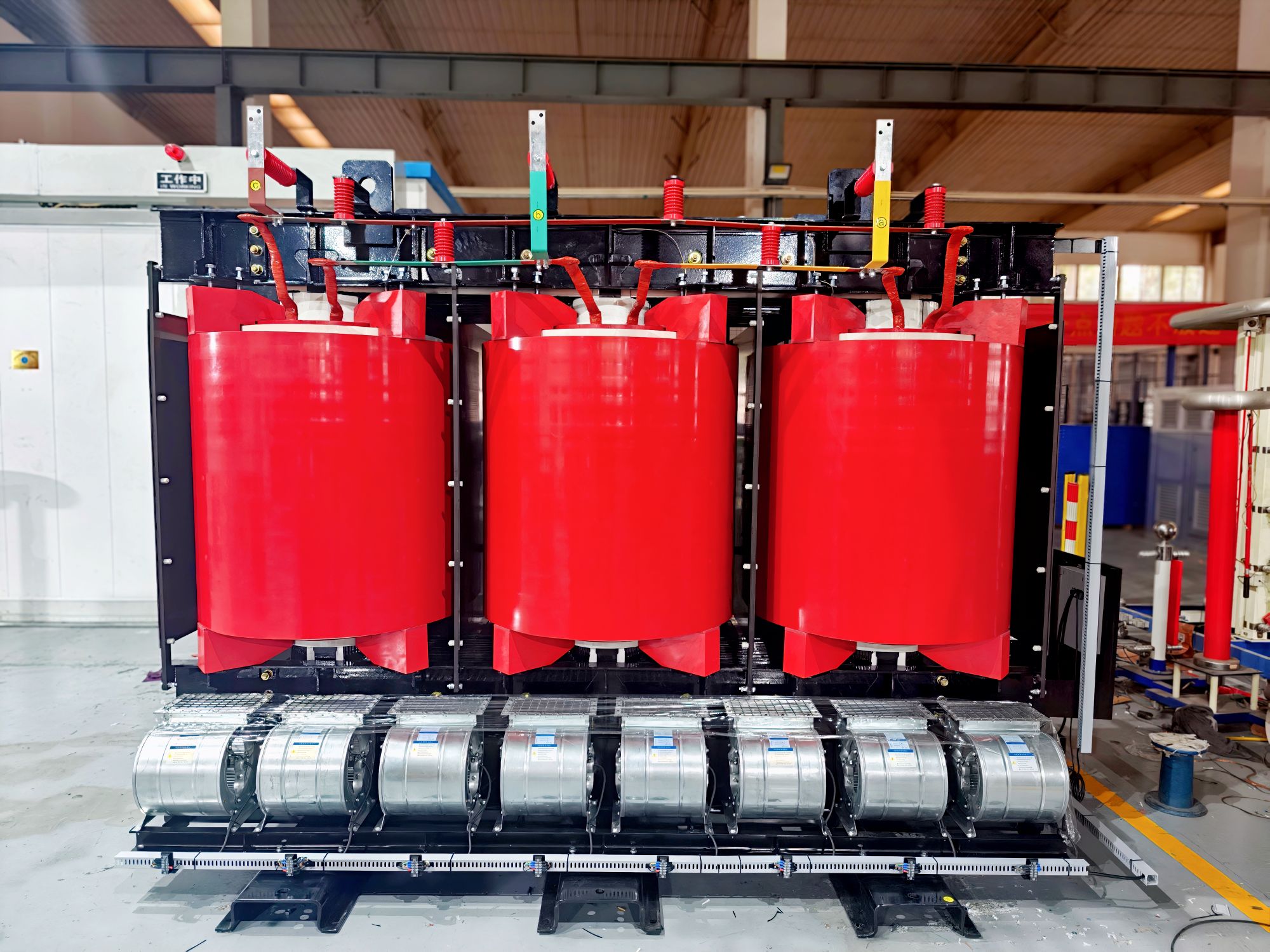
Transformers operate under constant exposure to the elements, and it's the subtle variations in temperature, humidity, and air quality that often dictate their service life. Even small fluctuations can accelerate insulation aging, leading to premature failures that are entirely avoidable with the right environmental controls. A transformer's internal paper and oil systems are particularly sensitive—once thermal degradation begins, it's a slow but relentless process that quietly undermines reliability.
Moisture ingress is another silent threat, especially in coastal or high-humidity regions. When water finds its way into insulating oil, it doesn't just reduce dielectric strength; it also speeds up the breakdown of cellulose insulation, creating a vicious cycle of deterioration. Condensation inside the tank during temperature swings is a common culprit, and without proper sealing or dehydration systems, the lifespan can drop by years without any obvious external signs.
Airborne contaminants and chemical fumes in industrial environments can corrode bushings, coolers, and other external components, gradually compromising the unit's thermal performance. Dust accumulation on radiators reduces heat dissipation, forcing the transformer to run hotter than designed. Over time, these seemingly minor stressors add up, turning what should be a dependable asset into a costly liability. Understanding and managing the ambient conditions is not just maintenance—it's longevity engineering.
Why Insulation Class is More Than Just a Rating
Insulation class is often treated as a simple temperature ceiling on a nameplate, but in the real world of rotating equipment, it defines much more than a thermal limit. It dictates how aggressively a motor or generator can be loaded, for how long it can survive harsh environments, and what kind of maintenance intervals you can realistically expect. An H-class system, for instance, doesn't just tolerate 180°C—it implies a carefully coordinated combination of wire enamel, slot liners, impregnating varnish, and lead insulation that together resist degradation far beyond individual component ratings. Ignoring this interconnected nature leads engineers to misjudge partial discharge resistance and moisture tolerance, setting the stage for unexpected downtime even when temperature readings seem safe.
What makes insulation class a design philosophy rather than a single number is its influence on duty cycles and end-of-life prediction. A machine built to class F but operated at class B temperatures is often touted as having extra thermal margin, but the real story involves thermomechanical aging and voltage stress distribution. That margin becomes meaningless if frequent starts cause copper expansion that cracks the varnish, or if transient overvoltages in a VFD application hit the turn insulation before the bulk temperature budges. Savvy asset managers look at insulation class as a baseline for specific aging models that account for contamination, vibration, and voltage spikes—factors that accelerate failure modes no temperature gauge will reveal.
Beyond the technical specifics, insulation class is a silent partner in lifecycle cost. Upgrading from a basic B-class winding to a sealed F-class system might seem like a premium, but when you balance that against reduced cleaning, fewer rewind shop visits, and the ability to push through unexpected overloads without compromise, the initial premium fades. Plants that treat insulation class as a ticket to worry-free operation often learn the hard way that even the best resin-rich coil can fail under sustained moisture and conductive dust. The smart approach is to pair the class rating with condition monitoring that listens for partial discharge, tracks dissipation factor trends, and captures thermal imaging signatures—techniques that turn a passive rating into an active asset protection strategy.
Cooling Strategies That Cut Energy Waste
Smart cooling doesn’t have to mean freezing the entire building. One often-overlooked approach is adjusting setpoints based on actual occupancy and outdoor conditions, rather than running at full blast around the clock. By nudging the thermostat up just a few degrees when spaces are empty, or taking advantage of cooler night air to pre‑cool thermal mass, energy use drops significantly without anyone noticing a comfort difference. It’s not about sacrificing comfort—it’s about being more intentional with when and where cooling happens.
Another low-effort, high-impact move is giving cooling equipment a little breathing room. Dirty filters, blocked vents, and neglected coils force systems to work harder and longer than they need to. Simple maintenance—cleaning or replacing filters monthly, clearing debris from outdoor units, and making sure furniture isn’t blocking air flow—can improve efficiency by 5% to 15%. It’s the kind of thing that’s easy to overlook, but pays back in both lower bills and longer equipment life.
There’s also a quiet revolution happening in how buildings manage heat before it ever reaches the thermostat. Reflective roofing materials, window films, and strategic shading can slash the amount of heat that seeps indoors, meaning cooling systems don’t have to fight as hard. Pair those passive measures with ceiling fans that let occupants feel just as cool at a higher temperature, and you’ve got a layered strategy that trims peak demand while keeping spaces pleasant.
Navigating Safety Mandates Without Overengineering
Security regulations can often feel like a blunt instrument, pushing teams toward defensive overdesign. The key is to translate mandates into proportional controls—not every requirement demands a fortress. Start by mapping each mandate to specific risks, then favor lean implementations that address real threats without layering on complexity that introduces its own vulnerabilities.
Resist the urge to future-proof every scenario. Instead, build modular safeguards that can evolve with changing standards, and involve cross-functional teams early to spot where simplicity can meet compliance. This approach not only satisfies auditors but keeps your system flexible and easier to maintain long after the audit is closed.
Maintenance Habits That Prevent Downtime Surprises
When a critical piece of equipment fails without warning, it’s rarely an accident—it’s usually the result of overlooked signals that were there all along. One of the most effective habits is treating daily inspections as a non-negotiable ritual rather than a checkbox exercise. Instead of just glancing at a gauge, take the extra thirty seconds to listen for unusual vibrations, feel for temperature differences, or smell for burning insulation. These sensory checks often catch anomalies long before any sensor trips an alarm.
Another habit that quietly prevents chaos is documenting minor fixes and observations in a shared log, even when they seem trivial. A technician might tighten a slightly loose belt and think nothing of it, but if that same belt shows up again two weeks later, the pattern becomes clear: it’s a symptom of misalignment, not just normal wear. Without that written thread, each occurrence gets treated as a one-off, and the real issue festers until it forces a shutdown.
Finally, the best maintenance teams treat their spare parts inventory like a living system rather than a dusty closet. They don’t just stock what the manual recommends; they track which parts actually get used during late-night callouts and adjust accordingly. By keeping a small cache of high-failure items close to the most critical assets, they turn a potential overnight crisis into a ten-minute fix—no drama, no downtime.
FAQ
A dry type transformer uses air or solid insulation to cool its windings instead of liquid oil. This makes it safer for indoor use and reduces fire risk compared to oil-filled counterparts.
They excel in indoor, clean, and ventilation-friendly spaces like commercial buildings, hospitals, and schools. Avoid putting them in dusty or corrosive areas unless using a special enclosure.
Calculate your peak load in kW and apply a power factor appropriate to your equipment. Then add about 20% headroom for future expansion—but don’t go beyond that unless your load profile clearly demands it.
Class H (180°C rise) is the sweet spot for most commercial jobs—it handles moderate overloads without degrading fast. If your ambient temperature is consistently high, step up to Class N (200°C).
Yes, but only with a proper weatherproof enclosure (NEMA 3R or better), sun shields, and corrosion-resistant hardware. Even then, avoid direct rain exposure on vents.
Keep air intake and exhaust vents free of dust, check connections for tightness annually, and schedule infrared scans to spot hot spots before they cause insulation failure. Also, monitor ambient temperature and humidity in the room.
Conclusion
Selecting the ideal dry-type transformer goes beyond matching kVA ratings—it starts with a precise assessment of your facility's actual power demands, including load profiles, harmonics, and future expansion. Overlooking these factors can lead to inefficiencies or premature failure. Equally critical are the ambient conditions; high temperatures, humidity, and dusty environments directly impact cooling efficiency and insulation longevity. That’s why insulation class selection isn’t just a label—higher temperature ratings like Class H or Nomex® can handle hotter spots without degrading, offering a safety margin that extends service life. When combined with energy-smart cooling strategies such as forced-air designs or natural convection in well-ventilated spaces, you slash waste while maintaining stable operating temperatures.
Safety compliance isn’t about blindly applying maximum ratings—it’s about balancing codes with your real risk profile to avoid costly overengineering. For instance, choosing a transformer with K-factor ratings only where harmonics are truly present prevents unnecessary expense. Yet even the best selection can’t compensate for neglect; proactive maintenance habits—infra-red thermography, regular cleaning of ventilation slits, and periodic insulation resistance testing—catch emerging issues before they trigger unplanned downtime. Ultimately, the most efficient and safe dry-type transformer is one that fits your unique operational puzzle, where every piece from load analysis to maintenance cadence aligns for resilience and cost-effectiveness.
Contact Us
Contact Person: Julion
Email: [email protected]
Tel/WhatsApp: 8617351370631
Website: https://www.deyunelectric.com