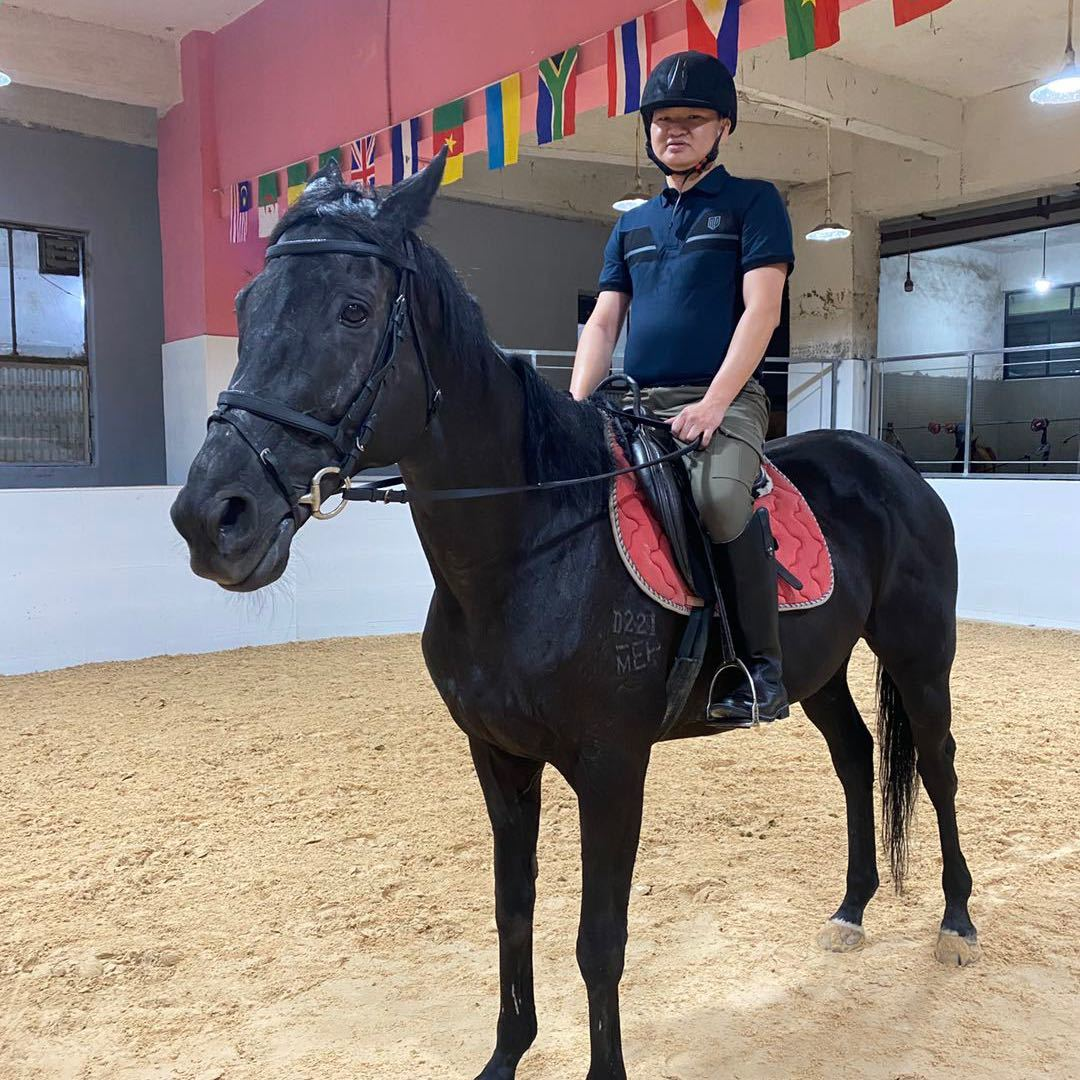

Best Equestrian Clothing for Style and Performance in the Saddle
2026-06-04
Finding the perfect balance between style and performance in the saddle can feel like a constant search—until you discover gear that seamlessly blends both. Enter OpeEquestrian, where cutting-edge design meets the demands of serious riding, letting you look and feel your best with every ride.
Riding Apparel That Moves With You
When you’re in the saddle, every shift of your weight matters—and your gear should feel like a second skin. Our riding apparel is cut from advanced four-way stretch fabrics that mirror your body’s movements without restriction. The moment you lean into a turn or adjust your seat, the fabric responds with fluid give, then quietly snaps back, so there’s no tugging, no bunching, just the clean line of you and the horse.
We’ve moved beyond stiff traditional cuts by studying how riders actually move. Articulated sleeves and diamond gussets are engineered into every jacket and vest, giving your shoulders the freedom to rise, twist, and extend naturally. Seams are placed where they won’t chafe during long hacks, and the hem is shaped to stay perfectly in place whether you’re jumping or lounging in the barn. It’s clothing that respects your athleticism, not just your aesthetic.
The magic lies in the hidden details—silicone grip patterns inside knee patches that hold your position without adding bulk, and ventilation zones that open as your body heat builds, creating a private microclimate. You won’t think about your clothes; you’ll simply notice that you’re riding with more ease, confidence, and connection. This isn’t apparel you put on. It’s apparel that becomes part of your ride.
Fabrics That Beat the Weather
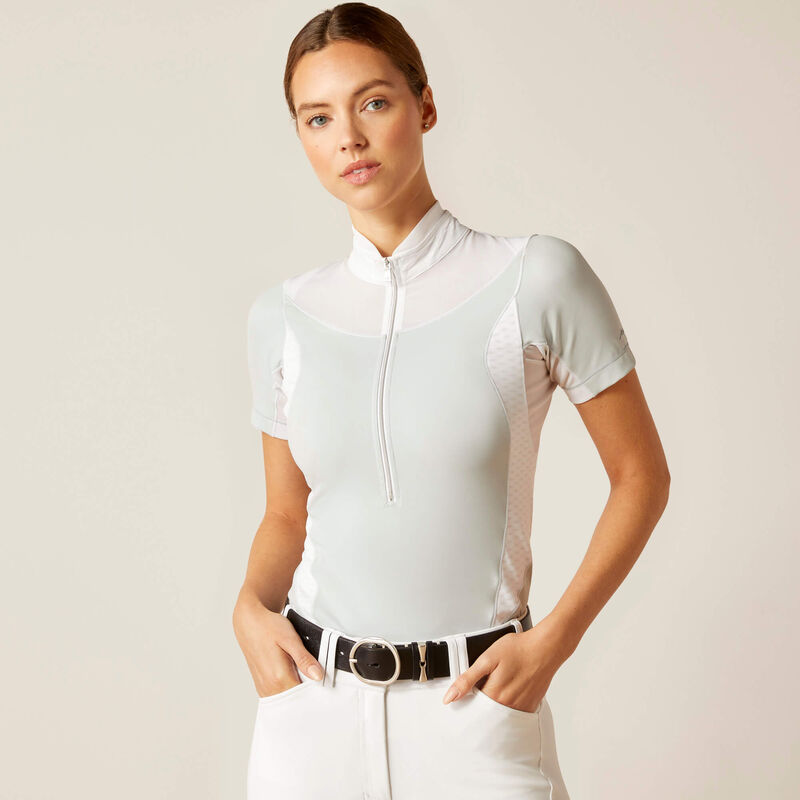
When you step outside and the wind howls or rain hammers down, the right fabric feels like a secret shield. Modern weather-beating textiles aren't just about staying dry—they actively manage moisture, block gusts, and even regulate your temperature. Take the shift from simple rubberized coats to breathable membranes: early solutions kept water out but trapped sweat, turning a jacket into a portable sauna. Now, tightly woven synthetics paired with microscopic pores let vapor escape while droplets can't squeeze through. It's the kind of quiet engineering that makes a blustery walk feel almost cozy.
Beyond waterproofing, there's a whole world of fabrics designed to read the sky. Some use a durable water repellent finish that causes rain to bead up and roll off, while others rely on the structure of the fibers themselves—like ventile cotton, which swells under contact to close gaps. For cold conditions, you'll find hollow-core yarns that trap warm air without adding weight. And when the sun beats down, fabrics embedded with reflective minerals or constructed with open weaves dump heat fast. It’s not one miracle material solving everything; it’s about matching the weave to the weather you actually face.
What makes these fabrics even smarter is how they blend into daily wear. A windproof softshell can look like a casual hoodie; a rain jacket might pack down smaller than a paperback. This quiet adaptability means you don’t have to dress like an mountaineer to stay comfortable. The best weather-resistant garments work almost invisibly, letting you walk from a breezy plaza into a drizzly alley without thinking twice. That’s the real breakthrough—fabrics so intuitive, you forget they’re doing anything at all.
Tailored Fit for Every Discipline
Recognizing that no two fields share the same approach, a truly effective system adjusts its strategy to the unique demands of each discipline. From the precision required in mathematics to the creativity unleashed in the arts, the structure bends without breaking, offering tools and frameworks that feel native to the subject.
This isn't about a one-size-fits-all template dressed in different colors. It's a thoughtful calibration—where science learners get experiment-driven modules, language enthusiasts receive immersive, conversational practice, and technical fields access hands-on problem-solving kits. The experience reshapes itself around the learner’s journey, not the other way around.
Over time, this bespoke adaptation fosters deeper engagement because the material resonates on a practical level. Instead of wrestling with irrelevant examples or forced analogies, users spend their energy where it matters—directly inside their chosen discipline, building competency with tools that actually belong there.
Safety Meets Sophistication
Modern safety isn't about bulky gear or intrusive warnings—it's woven seamlessly into the fabric of everyday elegance. Think of biometric locks that respond to a subtle touch, their sleek surfaces blending with minimalist interiors, or car cabins where advanced driver assistance works in near silence, preserving the serene hum of the road. This fusion means you never have to trade peace of mind for style; the protection is felt, not flaunted.
The details tell the story: fire-resistant fabrics that drape like fine wool, surveillance discreet enough to hide in plain sight, and emergency systems activated by a gesture so natural it becomes second nature. Here, sophistication isn’t sacrificed for safety—it’s elevated by it, creating an environment where you’re always at ease, never on edge.
Ultimately, this philosophy redefines what it means to be secure. No longer a checklist of visible defenses, safety becomes an intuitive companion—one that anticipates, adapts, and remains almost invisible until needed. The result is a living experience that feels as effortless as it is protected, where every interaction reminds you that true luxury lies in feeling both shielded and free.
Details That Define a Rider
The way a rider sits on the bike can reveal more than skill alone. There's a quiet language in the angles of wrists and the placement of feet—something that comes from hours on the road, not from a manual. A subtle shift in weight before a curve, the relaxed grip on the throttle, these are things that no amount of instruction can fully replicate. They are the marks of someone who has learned through the vibration of the engine and the wind correcting their posture.
Look closer, and you’ll notice the small choices that add up to a rider’s identity. The worn spot on the clutch lever where their fingers have rested thousands of times, the slight scuff on the left toe slider from a favorite corner taken a little too deep. Even the way the mirrors are adjusted—just slightly outward, maybe, to catch more of the road behind. These details are not accidents. They are the result of habit and preference, shaped by the roads they ride most often.
Beyond the machine itself, there’s a rhythm in how a rider moves through traffic or leans into a long sweeping turn. It’s not about speed or flash—it’s about the kind of smoothness that comes when fear is long gone and only focus remains. The slight nod to another rider, the practiced flick of the kill switch without looking down. These are the small but defining gestures that separate someone who simply rides from someone who is a rider at their core.
Care Tips for Long-Lasting Gear
Most gear wears out not from use, but from neglect between adventures. Start by rinsing off mud, salt, or sand as soon as you're back—letting grit dry in zippers and seams eats away at fabric faster than any trail ever could. For waterproof items, skip the fabric softener and harsh detergents; they destroy DWR coatings and membranes, turning your trusty shell into a soggy sponge. Instead, use a cleaner made specifically for technical fabrics, and reactivate waterproofing with a quick tumble in a low-heat dryer or a careful pass with an iron (a towel between the iron and gear prevents scorching). Small habits like storing sleeping bags uncompressed in a breathable sack and keeping zippers lubricated with a silicone-free wax extend life dramatically.
Sunlight, moisture, and heat are the enemies of durable materials. Avoid leaving gear in a hot car or direct sunlight for long periods, as UV rays break down nylon and polyester, while trapped moisture breeds mold and weakens adhesives. After a wet trip, dry out everything thoroughly—boots upside down on a rack, tents pitched loosely indoors, and cookware with lids off. For leather boots, clean with a damp cloth and condition when they start looking dry, but don’t overdo it; too much oil softens leather and reduces ankle support. Metal gear like ice axes or camp stoves thanks you for a light coat of protective oil on moving parts and a dry storage spot. The key is treating your equipment as an investment: a little routine care dramatically delays the need for replacements, and your future self will appreciate gear that’s always ready to go.
FAQ
Focus on pieces with clean lines, technical fabrics, and subtle detailing. Avoid overly trendy items—classic cuts in muted tones mixed with well-placed color accents often walk the line between paddock and street perfectly.
Modern riding wear often blends cotton with elastane for stretch, but look for performance fabrics like Coolmax or merino wool blends. They wick moisture, resist odor, and move with you without sagging after hours in the saddle.
Start with a slim-fit base layer, add a light fleece or softshell vest, and top with a tailored riding jacket that has side slits or stretch panels. This way, you stay warm but never feel bulky when reins get picked up.
Brands like Pikeur, Cavalleria Toscana, and Ariat have mastered the blend of Italian tailoring and rugged construction. Their gear often features reinforced knees, water-resistant finishes, and elegant hardware that holds up season after season.
A tailored show coat, full-seat silicone grip breeches, moisture-wicking show shirt, and a well-fitted helmet are non-negotiable. For schooling, a durable pair of gloves and half-chaps can round out the wardrobe without breaking the bank.
Look for Spanish-cut or dress boots with a shaped calf and a discreet zipper. Leather-lined, cushioned footbeds make a difference—brands like DeNiro or Petrie offer custom options that fit like a second skin and develop a beautiful patina.
Go for a high-waisted design with a wide waistband to prevent slipping, and opt for full-seat silicone grip rather than knee patches if you prioritize stability. Darker colors with subtle quilting or contrast stitching can visually elongate the leg while hiding dirt.
Think silk-like square scarves, a sleek leather belt with a discreet buckle, and technical riding gloves with touchscreen-compatible fingertips. Even a structured leather tote that holds your helmet and boots can pull your whole look together off the horse.
Conclusion
The right equestrian clothing blends seamless movement with uncompromising style, ensuring riders feel connected to their horse without restriction. Garments designed with four-way stretch and articulated seams allow for fluid motion during posting trots or two-point positions, while reinforced knee patches add grip where it counts. Materials play an equally vital role—breathable, moisture-wicking layers keep you cool on humid afternoons, and innovative water-repellent finishes shed light drizzle without sacrificing flexibility. Thoughtfully placed vents prevent overheating, and soft, brushed linings guard against chills during early-morning rides. This harmony of technical design and comfort means you can focus entirely on your performance rather than adjusting an ill-fitting jacket or stiff breeches.
Precision tailoring elevates attire beyond mere function: jackets contour gracefully to the torso, avoiding bulk while accommodating protective vests, and show shirts feature discreet snaps or zip closures for a polished silhouette. Details like metallic thread embroidery, contrast piping, and subtle logo hardware inject personality without compromising professionalism. Safety is woven in subtly—darker tones hide arena dust, reflective trim enhances visibility on road hacks, and hidden seams reduce chafing during hours of training. To preserve these investment pieces, simple care rituals make a difference: turn garments inside out before washing, skip harsh detergents that break down waterproof coatings, and lay flat to dry to maintain shape. With such intentional choices, every ride becomes a showcase of both elegance and athletic prowess.
Contact Us
Contact Person: Keven Tong
Email: [email protected]
Tel/WhatsApp: +86 18666477707
Website: https://www.ope-technology.com