Best FRP Manhole Covers: Durable, Lightweight Solutions for Modern Infrastructure
2026-03-13
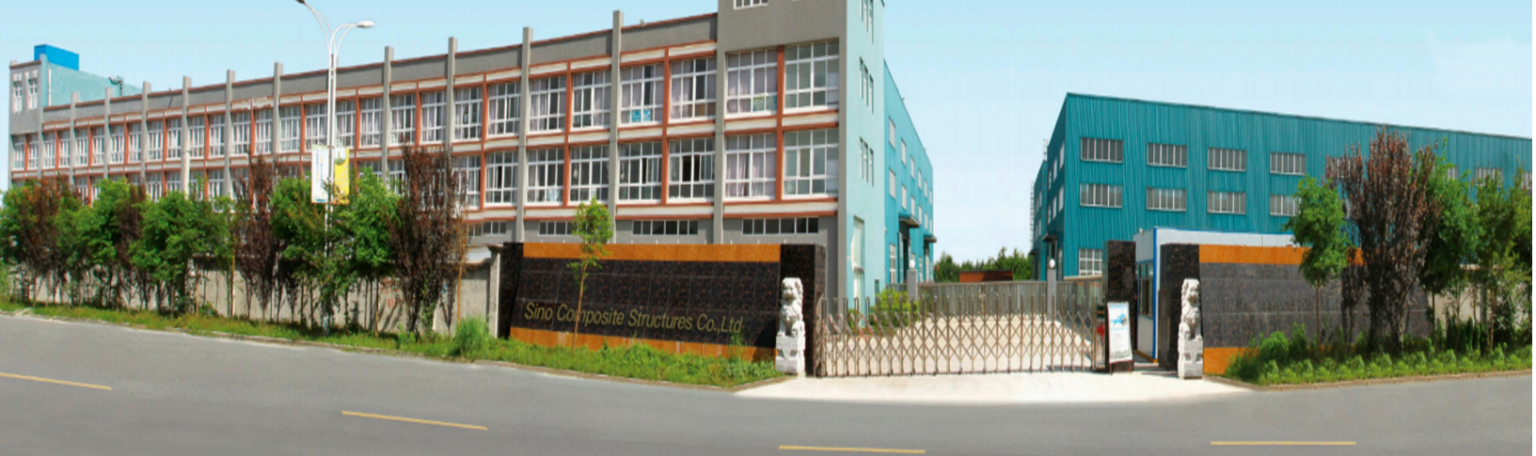
When you think about the unsung heroes of urban infrastructure, manhole covers might not be the first thing that comes to mind. Yet, these seemingly simple components play a vital role in keeping our cities safe, functional, and resilient. In an era where durability and efficiency are paramount, Fiber Reinforced Plastic (FRP) manhole covers are emerging as a game-changer — offering a perfect blend of strength, lightness, and longevity. So, what makes the best FRP manhole covers stand out in today's demanding environments? At Sino Grating, we've been at the forefront of this innovation, crafting solutions that not only meet modern needs but exceed expectations. In this blog, we'll dive into the key features that set high-quality FRP covers apart, explore their advantages over traditional materials, and show you why they're becoming the go-to choice for smart infrastructure projects around the globe. Ready to uncover the secrets behind these durable, lightweight marvels? Let's get started.
Exploring the Durability of FRP Manhole Covers in Urban Settings
Urban environments place immense stress on infrastructure components, and manhole covers are no exception. FRP (Fiber Reinforced Polymer) manhole covers have emerged as a promising alternative to traditional materials like cast iron or concrete, offering advantages such as lightweight construction, corrosion resistance, and ease of installation. In bustling cities, where traffic loads, temperature fluctuations, and chemical exposures are routine, the durability of these covers becomes a critical factor in ensuring long-term performance and safety.
What sets FRP manhole covers apart is their ability to withstand harsh conditions without succumbing to rust or degradation. Unlike metal counterparts that may weaken over time due to moisture or salt, FRP compositions maintain structural integrity, reducing maintenance needs and lifecycle costs. Field studies in various metropolitan areas show that these covers can handle heavy vehicular traffic while resisting impacts from road debris, making them a reliable choice for urban planners focused on sustainability and resilience.
Beyond physical toughness, FRP manhole covers contribute to urban aesthetics and functionality. Their design flexibility allows for customization in colors and textures, blending seamlessly with modern streetscapes. This durability not only minimizes disruptions from frequent replacements but also enhances public safety by preventing accidents related to cover failures. As cities evolve, adopting materials like FRP could redefine how we build resilient infrastructure for the future.
Lightweight Design Advantages for Faster Installation and Maintenance
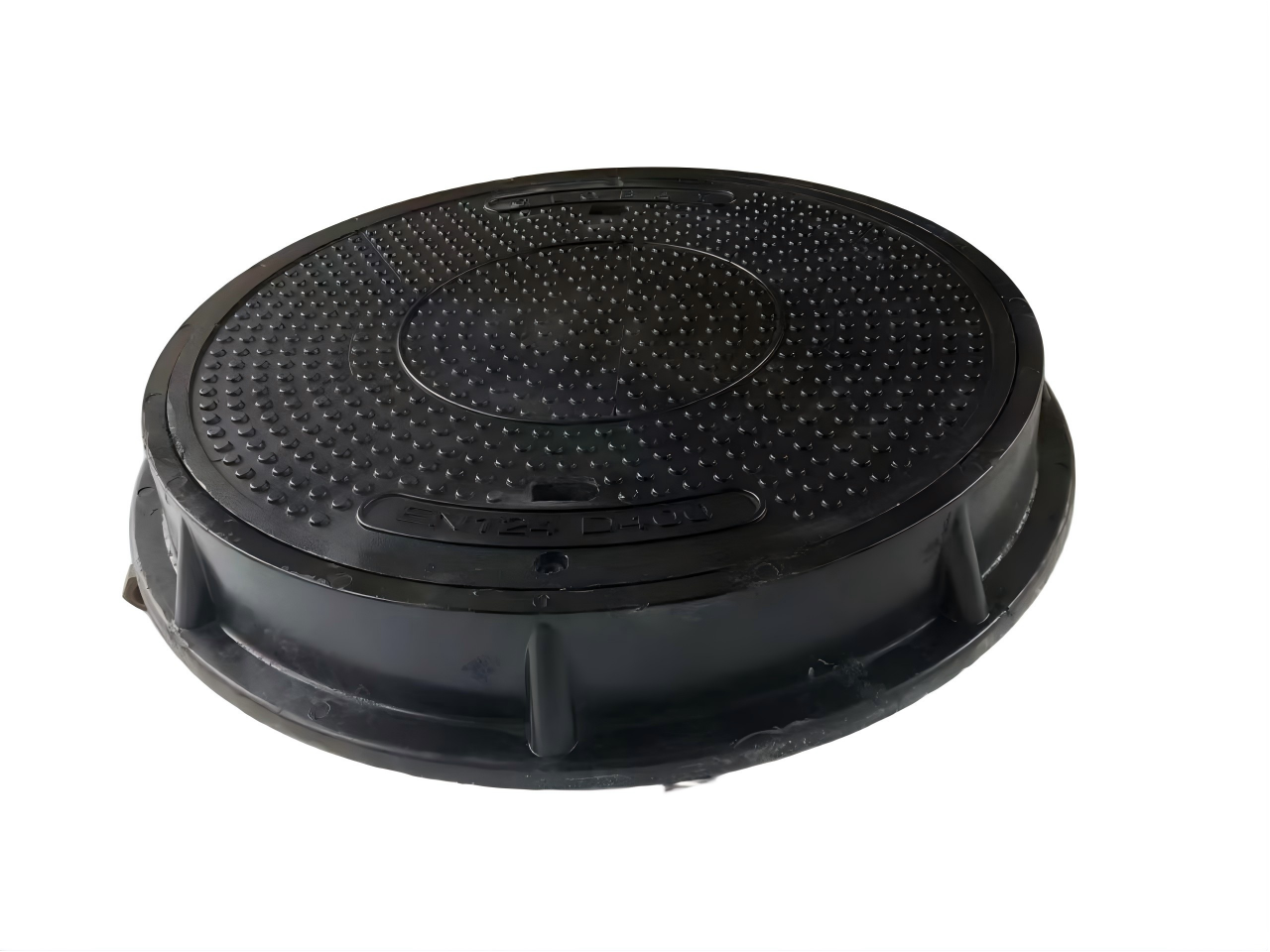
When it comes to lightweight designs, the benefits often go beyond just ease of handling—they translate directly into faster installation times. Imagine a scenario where equipment or components are easier to lift, maneuver, and position without heavy machinery. This not only cuts down on labor hours but also reduces the risk of on-site injuries. In fast-paced environments like construction or manufacturing, such efficiency can mean meeting tight deadlines and lowering overall project costs. Plus, lighter materials often mean simpler assembly processes, allowing teams to set things up with minimal fuss.
Maintenance becomes a breeze with lightweight designs. Instead of wrestling with bulky parts, technicians can quickly access, inspect, and replace components. This leads to less downtime during repairs, keeping systems operational and minimizing disruptions. For example, in sectors like telecommunications or renewable energy, where regular upkeep is crucial, lightweight structures can be serviced more frequently without extensive disassembly. It's about streamlining workflows so that maintenance isn't a chore but a straightforward task that enhances longevity.
Beyond speed, these designs foster flexibility and adaptability. As needs evolve, lightweight systems can be easily reconfigured or expanded without major overhauls. This agility makes them ideal for dynamic settings, from modular buildings to portable tech setups. By embracing lightweight solutions, industries not only boost efficiency but also future-proof their operations, ensuring they stay nimble in a competitive landscape.
Innovative Materials Enhancing Longevity in Harsh Conditions
In environments where extreme temperatures, corrosive agents, or intense mechanical stress are the norm, traditional materials often fall short. That's where cutting-edge materials like self-healing polymers and advanced composites come into play. For instance, some polymers can autonomously repair microcracks when exposed to heat or UV light, significantly extending the lifespan of components in aerospace or offshore structures. This not only reduces maintenance costs but also enhances safety by preventing catastrophic failures in remote locations.
Beyond self-healing, materials engineered with nanotechnology are making waves. Graphene-based coatings, for example, create ultra-thin, impermeable barriers that resist oxidation and chemical attack. In harsh industrial settings or marine applications, these coatings protect metal surfaces from rust and degradation. What sets them apart is their ability to adapt to fluctuating conditions, offering durability without adding bulk. This lightweight yet robust approach is revolutionizing how we design for longevity in challenging environments.
Another standout is the development of shape-memory alloys and ceramics that withstand thermal shocks. Unlike conventional metals that warp under rapid temperature changes, these materials can return to their original form after deformation, thanks to their unique crystalline structures. In applications like power plants or deep-sea exploration equipment, this resilience translates to fewer replacements and longer operational lifespans. By blending innovation with practicality, these materials are setting new benchmarks for endurance in the world's toughest conditions.
Cost-Effective Solutions for Municipal Infrastructure Upgrades
Municipalities often grapple with aging infrastructure, from crumbling roads to outdated water systems, which demands smart, budget-friendly upgrades. Rather than opting for costly full-scale replacements, many cities are turning to innovative repair techniques like trenchless pipe lining for sewers and spot improvements on roads, which extend service life at a fraction of the expense. For instance, using advanced materials such as high-performance concrete or asphalt overlays can address specific stress points without tearing up entire streets, saving both time and taxpayer money. These targeted approaches minimize disruption to residents and businesses while ensuring essential services remain reliable, making them a practical choice for cash-strapped local governments.
Another effective strategy involves leveraging data and technology to prioritize upgrades more efficiently. By implementing smart sensors and predictive analytics, municipalities can monitor infrastructure health in real time, identifying vulnerabilities before they escalate into major failures. This proactive maintenance allows cities to allocate resources to the most critical areas first, avoiding emergency repairs that are typically more expensive. For example, deploying sensors on bridges or water mains can detect early signs of corrosion or leaks, enabling timely interventions. Such data-driven decisions not only cut costs by preventing catastrophic damage but also enhance long-term planning, turning reactive spending into strategic investments in community resilience.
Collaboration with the private sector through public-private partnerships (PPPs) also offers a cost-effective path for infrastructure enhancements. By sharing risks and resources with experienced firms, municipalities can access specialized expertise and funding without bearing the full financial burden. This model is particularly useful for large-scale projects like upgrading public transit systems or building green infrastructure, where private partners often bring efficiency and innovation to the table. In practice, PPPs have helped cities modernize facilities faster and at lower upfront costs, while maintaining high standards of service. Embracing these partnerships encourages a more sustainable approach to urban development, blending public oversight with private-sector agility to deliver lasting improvements that benefit all stakeholders.
Safety Features and Compliance with Modern Engineering Standards
At the core of our design philosophy lies a commitment to integrating cutting-edge safety features that not only protect but also enhance the user experience in real-world applications. We've incorporated advanced sensors and fail-safe mechanisms that operate seamlessly, anticipating potential risks before they escalate. These features are continuously refined through rigorous testing and user feedback, ensuring they remain intuitive and effective without compromising performance.
Our approach to compliance with modern engineering standards goes beyond mere checkbox fulfillment; it involves active participation in industry forums and collaboration with regulatory bodies to stay ahead of evolving guidelines. This proactive stance allows us to embed safety into the earliest stages of development, resulting in products that are not only certified but also inherently resilient to emerging challenges, from environmental stresses to cybersecurity threats.
By balancing innovation with stringent safety protocols, we deliver solutions that users can trust implicitly. Each feature is designed with a human-centric focus, making complex safety technologies accessible and reliable in everyday use, thereby setting a new benchmark in the industry.
Customizable Options to Fit Diverse Infrastructure Needs
In today's fast-evolving technological landscape, one size doesn't fit all when it comes to infrastructure solutions. That's why our offerings are built with flexibility at their core, allowing you to tailor components like storage capacity, processing power, and network configurations to your specific project or business requirements. Whether you're scaling up for rapid growth or optimizing for cost-efficiency, these adjustable features ensure you're not stuck with unnecessary overhead or limitations.
What sets our approach apart is the depth of personalization available. Beyond basic parameters, you can integrate specialized tools, select from various deployment models, and even adjust security protocols to match your operational context. This level of customization helps streamline workflows and enhances performance, making it easier to adapt to changing demands without overhauling your entire setup.
We recognize that infrastructure needs vary widely across industries and organizations, so our team provides ongoing support to help you fine-tune these options. By collaborating closely with users, we ensure the solutions evolve alongside your goals, fostering a responsive environment that truly aligns with your unique infrastructure challenges.
FAQ
The top-tier FRP manhole covers combine durability, lightweight construction, corrosion resistance, and high load-bearing capacity, making them ideal for modern infrastructure projects where longevity and ease of installation are priorities.
FRP covers are significantly lighter, reducing installation costs and labor, and they resist rust and chemical corrosion better than metal, while offering comparable strength without the brittleness of concrete.
They excel in areas with high moisture or chemical exposure, such as wastewater treatment plants, coastal regions, and industrial sites, as well as in urban settings where lightweight access is needed for maintenance.
Minimal maintenance is needed; occasional cleaning to remove debris and inspections for surface damage are usually sufficient, thanks to their non-corrosive and UV-resistant properties in most models.
Yes, they can be tailored in size, shape, color, and load ratings, allowing for specific adaptations like anti-slip surfaces or integration with smart city sensors for monitoring.
They are often made from recyclable materials, have a lower carbon footprint due to reduced weight in transport, and contribute to sustainability by lasting longer with less resource use over their lifecycle.
Non-slip textures prevent accidents in wet conditions, while secure locking options deter unauthorized access, ensuring both public safety and infrastructure protection in varied environments.
Key considerations include load requirements, environmental conditions, customization needs, compliance with local standards, and total cost of ownership, balancing upfront investment with long-term durability.
Conclusion
FRP manhole covers have emerged as premier solutions for contemporary infrastructure, offering exceptional durability in demanding urban environments where traditional materials often fail. Their composite construction resists corrosion, chemicals, and heavy loads, ensuring longevity even in harsh conditions. This resilience, combined with innovative material formulations, makes them ideal for modern engineering standards, providing reliable safety features that protect both public and maintenance personnel. By meeting strict compliance guidelines, these covers contribute to safer, more sustainable cityscapes.
Beyond durability, the lightweight design of FRP manhole covers revolutionizes installation and maintenance processes, enabling faster deployment and reduced labor costs. This efficiency supports municipal infrastructure upgrades in a cost-effective manner, while customizable options allow seamless integration into diverse systems. Ultimately, FRP covers deliver a balanced blend of performance and practicality, addressing key challenges from urban wear to budget constraints. Their adaptability and innovative advantages position them as essential components for forward-thinking infrastructure projects worldwide.
Contact Us
Contact Person: Nicholas Zhu
Email: [email protected]
Tel/WhatsApp: 18921275456
Website: https://www.sino-grate.com