

Best OEM Suppliers for Solar Panel Nut Bolts to Source High-Quality Fasteners
2026-11-19
Sourcing solar panel nut bolts is one of those details that quietly decides a project's long-term reliability. Cheap fasteners can pass a visual check and still fail under thermal cycling, salt mist, or wind vibration. That is why vetting OEM suppliers properly matters more than chasing the lowest unit price. In this guide, we look at what separates dependable fastener manufacturers from the rest, and how Topfencesolar fits into that supplier picture.
Where Standard Fasteners Fall Short on Solar Installations
Most generic bolts and screws are plated for indoor or light outdoor use, not for years of contact with aluminum rails, salt air, and condensation. Once the zinc layer wears or chips during installation, the steel underneath reacts with the aluminum frame in the presence of moisture. That creates a small galvanic current, and the rail or mounting ear becomes the sacrificial side. By the time the rust is visible on the bolt head, the real damage has already moved into the connection point.
Thermal movement is another weak spot. A solar array expands and contracts every morning and evening, and standard split washers have very little ability to hold preload once that cycling starts. The bolt does not need to turn much to lose its grip. Grounding continuity suffers, panels shift, and the micro-motion can chew through the anodized layer on the rail.
Field assembly also works against typical hardware. A separate bolt, flat washer, lock washer, and nut gives a crew four chances to drop something on a roof or under a ground-mount rail. Torque values vary from gun to gun, and without an integrated bite feature or a flanged head, the clamp load is rarely the same from one module to the next. Purpose-made solar fasteners remove most of those variables by combining the washer, locking surface, and bearing area into a single component.
Inside the OEM Supply Chain for Solar-Grade Nut and Bolt Sets
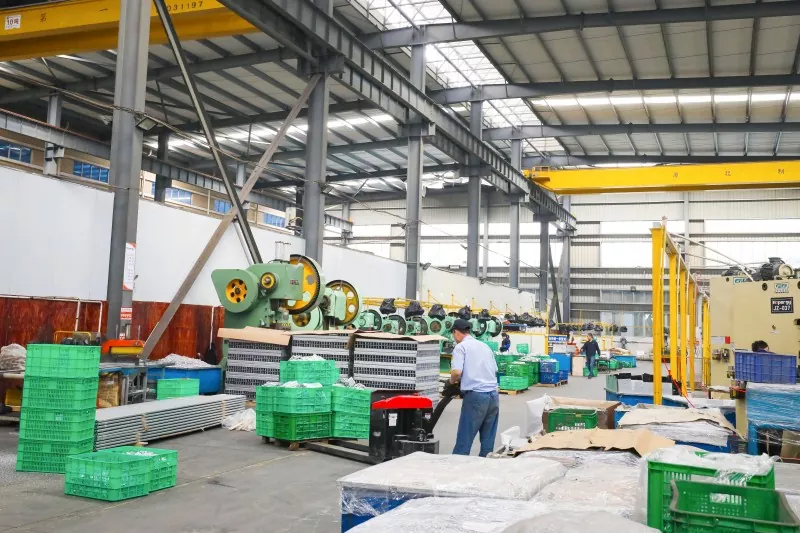
At a utility-scale site, a fastener spec usually starts with the failure that occurred three projects ago: a flange nut loosening on a tracker in high wind, a bolt snapping after a few hundred thermal cycles. The OEM purchasing team doesn't shop a catalog for solar-grade hardware. It sends a drawing package to a short list of cold-heading shops and asks for a process map covering wire source, thread rolling, heat treatment, and coating. Quotes that don't include a batch traceability plan are usually set aside before pricing gets serious.
The chain itself tends to be fragmented. A domestic service center may supply 10B21 wire from one mill, while thread rolling and heat treating happen in two different facilities and a third applies Geomet or hot-dip galvanizing. Each transfer increases the chance of mixed lots or delayed bake operations, which is why solar OEMs increasingly require heat-lot numbers stamped on the carton and retained samples from every shipment. Incoming inspection leans heavily on hydrogen embrittlement testing, coating thickness checks, and dimensional sorting rather than trusting a certificate alone.
Long-term supply agreements rarely hinge on the lowest unit price. They hinge on what a vendor does when a salt spray coupon fails at 1,800 hours or a batch of M10 flanged nuts arrives with grip lengths near the lower limit. Strong suppliers hold regional buffer stock, pre-qualify a backup plating line, and can isolate suspect lots within a day. Weak ones insist the parts are still functional until the torque audit proves otherwise, and that difference shows up on the racking line within a quarter.
Material Pairings That Prevent Galling and Corrosion in the Field
Field experience shows that the worst pairings often involve two materials with similar hardness and high adhesive tendency. When stainless steel parts thread into stainless steel nuts without any surface treatment, the surfaces can cold-weld under load, tearing microscopic chunks loose and leaving rough, galled threads behind. A more forgiving choice is to offset the hardness between the male and female components, such as using a hardened 17-4 PH stud with a softer 316 stainless flange or bushing. This contrast lets one side wear slightly while the other holds its geometry, which greatly reduces the chance of seizure.
Corrosion adds another layer of trouble in outdoor or marine environments. When a carbon steel fastener is paired with an aluminum housing, the aluminum acts as an anode and sacrifices itself, producing white oxide blooms that lock the threads tight. Swapping to a zinc-nickel coated carbon steel bolt or using an isolating washer made from non-conductive PTFE or nylon breaks the galvanic circuit. For saline exposure, combinations like titanium fasteners with Nitronic 60 inserts have proven reliable, since the Nitronic alloy resists galling even against similar stainless surfaces and the titanium provides excellent pitting resistance.
Maintenance crews often overlook the role of thread lubricants and surface finishes. A properly applied anti-seize compound containing copper or molybdenum disulfide can turn a risky pairing into a workable one, but it should be selected to match the service temperature and chemical exposure. Dry film coatings, such as tungsten disulfide or a phosphate-oil treatment, offer a cleaner alternative in dusty or precision assemblies where paste may attract debris. The key is to treat material selection, coating, and lubrication as one system rather than trusting any single metal to perform alone.
How to Evaluate Batch Consistency Before Placing a Large Order
Before committing to a large order, ask the supplier to send at least three samples pulled from different production runs rather than a single hand-picked piece. Compare them side by side under the same light. Check the obvious details—stitch tension, print alignment, material weight, color saturation, and any tolerance on dimensions. If the differences are visible or measurable beyond what your product can tolerate, that is a signal the process is not stable yet.
A more reliable approach is to request a small pilot run of the actual item, not a prototype. Use that run to measure the same characteristics with the tools you would use for incoming quality control. Record the variance, not just the average. A supplier with good batch consistency will show a tight range from piece to piece. If the pilot run passes, keep one sealed reference sample and attach clear photos and measurements to the purchase order so the factory knows exactly what standard the final shipment will be held to.
It also helps to ask how the factory batches raw materials and when they recalibrate equipment. You do not need a detailed audit report; simple questions about material lot numbers, cutting schedules, and assembly line handoffs can reveal whether consistency is intentional or accidental. Suppliers that cannot explain their process in plain terms often struggle to repeat the same result once order volume increases.
Red Flags That Filter Out Unreliable OEM Fastener Suppliers
The quickest way to shorten your supplier list is to demand traceability before you sign anything. If the material certificates show mismatched heat numbers, altered dates, or a grade that does not quite match the drawing, that is enough to end the conversation. A fastener supplier that cannot trace a batch back to its raw material will not be able to help you when a failure happens on your assembly line.
Samples tell you what a supplier wants you to see; production orders tell you what they actually run. When the trial parts arrive clean and precise but the bulk shipment shows inconsistent threads, rough heads, or uneven coating, the problem is not logistics. It is process control. Also note how the supplier responds when you press for specific tolerance data. Solid shops give you numbers. Unreliable ones give you comfort words.
A quote far below the rest of the market should make you more suspicious, not less. It often means someone has quietly substituted a cheaper alloy, shortened the heat treatment, or reduced plating thickness to keep the price attractive. Before moving forward, ask to review inspection records or visit the facility. If that request gets pushed aside, the real cost will show up later, usually after the parts are already in your product.
Specifying Locking Features and Coatings That Extend Service Life
Locking features often get chosen from a catalog default, but the real decision hinges on how the joint sees vibration, thermal cycling, and repeated servicing. A nylon patch may hold well until temperatures climb past its softening point; a deformed thread can be effective for one-time assembly but loses bite after several reuses. Matching the locking mechanism to the actual maintenance interval and temperature range prevents the more expensive failure pattern: a fastener that feels tight during installation but relaxes after a few hundred operating hours.
Coatings do more than resist rust. Zinc-nickel, zinc-aluminum flake, and phosphate treatments each bring different friction characteristics, thickness build-up, and compatibility with mating materials. When a coating adds only a few microns, it can still change the torque-tension relationship enough to make a specified preload unreachable with the original torque value. Hydrogen embrittlement also deserves attention on high-strength parts, where a poor cleaning or plating sequence can create cracks before the equipment ever leaves the bench.
The locking feature and the coating need to be evaluated together, not as separate line items. A rough phosphate surface can mask the performance of a prevailing-torque element, while a smooth topcoat may reduce the effective friction that the locking feature depends on. Running combined tests such as salt spray, thermal shock, and vibration on the actual finished fastener, including the exact washer and mating thread, uncovers interactions that material data sheets miss. Spending time on this combined specification usually shows up later as fewer in-service replacements and less risk of a small loosening problem becoming a structural failure.
FAQ
A dependable OEM supplier usually has in-house tooling capabilities, material traceability, and consistent batch records. One-off workshops often rely on outsourced threading or plating, which creates uneven tolerances and makes repeat orders hit-or-miss.
Ask for salt spray test results, coating thickness data, and real examples from installations in similar climates. Reputable suppliers can provide third-party corrosion testing rather than only claiming durability.
Stainless steel 304 is common for mild and coastal-adjacent areas, while 316 stainless holds up better near saltwater or heavy pollution. Carbon steel with hot-dip galvanizing can work for dry inland sites but requires strict coating control.
Yes, many OEM suppliers keep semi-finished blanks or have flexible machining lines. Clear drawings and a pre-production sample usually prevent long delays, but exotic finishes or uncommon diameters can add lead time.
Cheap batches often hide inconsistent heat treatment, thin plating, or mixed material grades. These flaws cause premature rust, seized threads, or micro-cracking under wind load, which can become a field failure rather than a simple cost saving.
Ask for material certificates, dimension reports, coating thickness measurements, and a first article inspection report. For larger orders, a production part approval process document and batch traceability labels show the supplier understands quality control.
Over-tightening can strip threads or crack anodized rails, while under-tightening leaves the array vulnerable to vibration and wind uplift. A good OEM supplier provides recommended torque ranges and can match friction properties by controlling thread finish and lubrication.
Look for documented process control, dedicated tooling for your part numbers, and a clear communication path for reordering. Suppliers that rely on spot-market fasteners may deliver good samples but struggle to match the same quality on the next shipment.
Conclusion
Standard stainless or zinc-plated hardware often looks right on paper but creates real headaches once panels are mounted in coastal, desert, or high-UV environments. Thread galling, crevice corrosion, and loosening from thermal cycling show up quickly when bolts and nuts are sourced without attention to alloy pairings and surface treatments. Working directly with OEM suppliers changes the equation because they can match a 304 or 316 stainless bolt with a compatible nut material, add a controlled anti-seize or low-friction coating, and furnish lot-level certificates that confirm mechanical properties instead of relying on vague “commercial grade” claims. The best programs also walk buyers through their internal process: raw bar or wire traceability, cold forming and thread rolling settings, passivation or coating thickness checks, and final dimensional sorting before packaging. That level of visibility matters more than a glossy catalog when a single failed fastener can compromise rail grounding or module alignment.
Before committing to a large order, ask for samples from three separate production batches and measure thread engagement, hardness spread, and coating adhesion rather than judging only the first box that arrives. Watch for mixed head markings, inconsistent thread finish, or certificates that repeat the same test numbers across dates—these are signs of repackaged or loosely controlled inventory. Reliable OEM partners do not hesitate to explain what locking feature they recommend for a given racking design, whether it is a nylon patch, serrated flange, prevailing-torque nut, or mechanical locking washer, and why the chosen coating will survive repeated thermal expansion without cracking. The strongest supplier relationships are built on plain answers about failure modes, batch rejection rates, and corrective actions, not on promises of the lowest unit price. That is how high-quality fasteners become a quiet, durable part of the installation instead of an expensive field retrofit.
Contact Us
Contact Person: Nancy
Email: [email protected]
Tel/WhatsApp: +86-13365923720
Website: https://www.topfencesolar.com/