

Best Tread Plate Company Traits to Demand for Safer Flooring
2026-11-24
When it comes to safety underfoot, not all tread plate is created equal—and neither are the companies behind it. From aggressive slip resistance to consistent material quality, the traits you demand from a supplier can mean the difference between reliable protection and a costly liability. Sanhe Steel has built its reputation on these very standards, but knowing what to look for first can save you from flooring failures down the line. Here are the non-negotiable traits to expect before you place your next order.
Verify the Actual Alloy Before You Trust a Quote
A quote for 316L stainless steel doesn't always mean the metal sitting on the dock matches the paperwork. Melt sources shift, secondary suppliers cut corners, and a lab report can be recycled from a previous heat. Before any purchase order is signed, ask for the mill test report tied to that specific batch number, then cross-check the physical markings on the material itself. If the seller hesitates or offers a generic certificate, treat the low price as a warning rather than a bargain.
The real risk shows up later. Near-coastal hardware, food processing fittings, or anything exposed to chlorides will fail early if a lesser grade sneaks in under a familiar name. A magnet test and a spark check are quick first passes, but they won't catch a 316 versus 316L mix-up. Portable XRF analyzers can sort most common alloys on site in seconds, and the cost of renting one is negligible compared to replacing corroded components or losing a production run.
Build the verification step into your standard purchasing routine, not just the big projects. Keep a small log of supplier certificates, actual readings from incoming stock, and any mismatches you've found. Over time, that record becomes your own reference for who ships what they claim and who hopes nobody checks. A quote is a promise; the alloy in your hand is the only thing that matters after the invoice clears.
Look Past Marketing Slip Ratings to the Test Reports
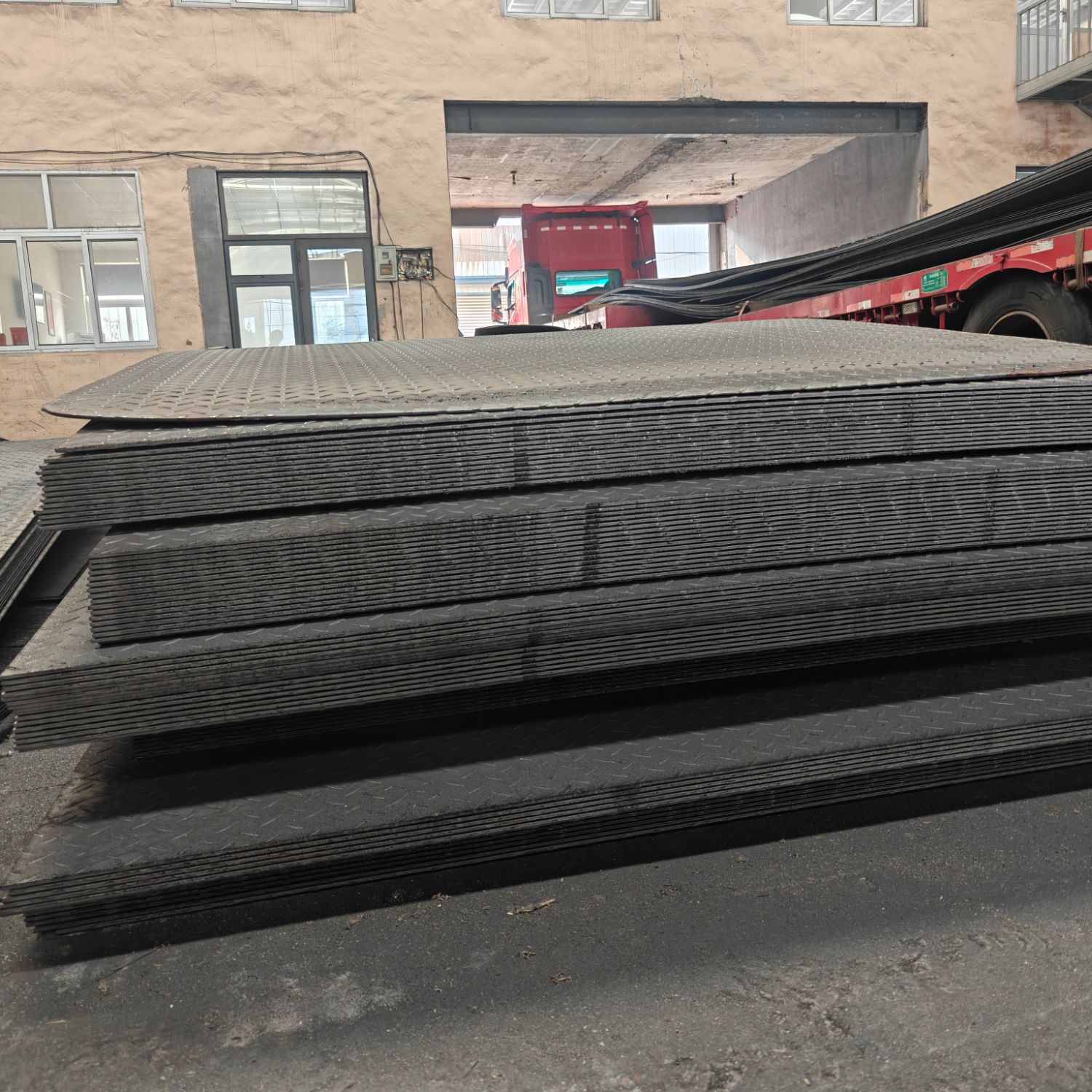
Most buyers fixate on the slip rating printed in bold on the package, but that number only tells part of the story. Marketing departments love to highlight a single impressive figure, often measured under ideal lab conditions that rarely match real-world use. What actually matters lives deeper in the documentation: the test reports that reveal how the product behaves under load, moisture, temperature shifts, and repeated wear. If you want to know whether a material will hold up on a wet ramp or a polished concrete floor, you need to look past the headline number and dig into the testing methods behind it.
A slip rating might be derived from a pendulum test, a ramp test, or a tribometer, and each method can produce wildly different results for the same surface. One product may score an R10 while another claims an R11, yet the R10 could perform better in your specific environment simply because the testing protocols differ. Reading the actual test reports lets you compare apples to apples, understand what footwear was used, what contaminants were present, and whether the sample was new or artificially aged. That context turns a vague marketing promise into a practical decision-making tool.
Beyond the initial coefficient, good test reports often include data on abrasion resistance, chemical exposure, and long-term performance after cleaning cycles. A floor that measures brilliantly on day one may lose its grip after six months of industrial cleaners and foot traffic, and only the extended test data will show that decline. Savvy specifiers learn to ask for the full report, not the brochure summary, because the real value is hidden in the fine print of the methodology and the failure thresholds. That habit separates people who buy a number from people who buy a solution.
Check How the Edges Are Finished, Not Just the Top Surface
Most people run a hand over the top of a table or countertop and stop there. That flat surface gets all the attention, but the edges usually tell you more about how carefully the piece was made. Look for sharp transitions, uneven rounding, or rough patches where two passes of the router met. A well-finished edge should feel intentional rather than like an afterthought, with consistent curves and no burr left behind.
Pay close attention to how the edge material meets the face. On laminated or veneered pieces, the seam can be a weak point if the edge banding was pressed on hastily. Run your thumbnail lightly along the joint. If it catches, or if you can see a glue line widening in one corner, the piece may not hold up well once humidity or daily use gets involved.
Also compare the edge treatment in visible areas with the edges hidden underneath or at the back. Inconsistent rounding or a rough cut that nobody bothered to sand is a quiet signal about the maker's standards. When the edges are handled with the same care as the top surface, it usually means the rest of the construction received the same attention.
Ask Which Profiles They Keep in Stock Before You Schedule Work
Stock levels tell you more than a supplier’s catalog does. A shop can list dozens of profiles online, but if they only keep a few common sizes on hand and order everything else after you commit, your timeline stretches before the first cut is made. Calling ahead and asking what’s physically in the rack gives you a realistic picture of lead times and avoids the awkward pause when the material you specified turns out to be a special order.
This question also reveals how honest the shop is about their workflow. If they hesitate or give a vague answer about quick turnaround, ask for specific profile numbers and quantities. People who cut daily usually know exactly which lengths and finishes are sitting in the bay. When the answer is clear, scheduling work becomes a matter of booking a slot instead of waiting on a delivery that may slip.
Get a Real Lead Time, Not a Best-Case Estimate
When a supplier tells you an item will ship in four weeks, that number usually comes from a perfect world where materials arrive on schedule, machines never break, and every operator works at full speed with zero defects. In practice, those four weeks can quietly turn into seven or eight once a missing component stalls the line or a quality issue forces a rework cycle. Instead of accepting the best-case figure as your planning baseline, ask for the range that includes typical delays: the lead time they would actually quote to a customer they could not afford to disappoint.
One useful habit is to separate the physical production time from the waiting time that surrounds it. Many suppliers build in buffers for raw material arrival, queue time before the job reaches the floor, and final inspection or documentation delays. If you only focus on the cutting or assembly hours, you end up with a lead time that looks lean but has no connection to reality. Press for a breakdown of each stage, and pay special attention to the gaps between stages, because that is where weeks often hide.
Finally, validate the quoted lead time against past orders rather than future promises. Ask for the last five shipments of the same or a similar part and compare the requested delivery dates with the actual ones. A supplier who consistently ships close to the promised window is worth more than one who gives an aggressive number and then apologizes later. Building your schedule around a real lead time means you can promise your own customers a date you are actually likely to keep.
Choose a Supplier That Already Knows Your Industry’s Safety Rules
A supplier that has already worked inside your vertical doesn’t need a crash course on OSHA recordkeeping, lockout/tagout procedures, or the permits your site demands. They arrive with that knowledge baked into their daily routines, so you spend less time bringing them up to speed and far less energy worrying about a compliance gap opening up in the first week.
That familiarity also shows in the way they train their crews, choose equipment, and handle documentation. Instead of handing you a generic safety manual, they can point to the exact rules that apply to your process and explain how they’ll meet them without being prompted.
Before signing anything, ask for examples from similar facilities. The right partner won’t just list certifications; they’ll describe recent projects, the specific hazards involved, and how their team adjusted its approach to stay within both the letter and the intent of the regulations.
FAQ
Pay attention to how they handle thickness tolerances, edge finishing, and whether they can recommend a pattern depth for your actual working conditions. A supplier that only sells sheets without asking where they will be used is often less useful for safety-critical flooring.
Ask for independent coefficient of friction test results, not just a general claim about slip resistance. Strong suppliers can share test reports, explain the test conditions, and point to installations with similar foot or vehicle traffic.
Consistent alloy chemistry and traceable sourcing affect how the plate wears, forms, and resists corrosion over time. If a supplier mixes batches or uses unknown scrap, you may see uneven hardness or early rusting in busy areas.
Look for cutting to exact dimensions, bending, drilling, deburring, and custom pattern layout without a week of delays. A provider that treats safer flooring as a project rather than a stock sale will usually handle these details cleanly.
Demand clear orientation guidance for drainage, recommended fastener spacing, and advice on transitions between plates. Good suppliers also tell you which cleaning methods preserve slip resistance instead of leaving you to guess after installation.
Be wary of vague wording like 'grip surface' with no data, inconsistent sheet thickness between batches, sharp unfinished edges, and no willingness to discuss test methods. Those gaps often show a supplier focused on moving material rather than preventing slips.
Not necessarily. Thickness supports structural load, but slip resistance depends more on pattern height, material hardness, and how liquids drain across the surface. A thinner plate with a well-designed raised pattern can outperform a thicker one with shallow tread.
Finish affects how quickly dirt and grease pack into the pattern and how easily the surface can be cleaned. A mill finish may wear differently than galvanized or stainless options, so the right finish should match both the exposure conditions and the cleaning routine.
Conclusion
A tread plate quote should not be taken at face value until the actual alloy is verified. Some suppliers list one grade on paper and ship another, and that substitution can quietly change corrosion resistance and load capacity. Ask for mill certificates or full test reports instead of relying on marketing slip ratings, since a published coefficient of friction often comes from ideal conditions rather than your actual workplace. Edge finishing deserves the same scrutiny as the top surface because rough or unprotected edges create tripping and corrosion points that are easy to miss in a spec sheet. The profiles a supplier keeps in stock will also determine whether your installation starts on schedule or waits for a mill run.
Lead times need to be grounded in reality rather than best-case assumptions. A supplier that understands your industry's safety rules will give a date it can hold and will already know the relevant OSHA, ADA, or food plant hygiene requirements without being prompted. That knowledge shows up in the details, from edge treatments and alloy selection to stock levels that match the work you actually do. A company that stocks common profiles can often ship cut pieces within days instead of quoting a mill run that drags on. When those traits come together, there are fewer surprises on site, safer walking surfaces, and a floor that stays compliant long after installation.
Contact Us
Contact Person: Zoey
Email: [email protected]
Tel/WhatsApp: +86 15865577002
Website: https://www.sanhesteels.com