

China Concrete Reclaimer Key Features and Smart Buying Tips
2026-09-13
Not every concrete reclaimer is built for the long haul—some look rugged but quietly drain your water, cement, and time. If you’re comparing China-made reclaimers, focusing on a few key features can make the difference between a smart buy and an expensive lesson. In this guide, we’ll break down what actually matters and why brands like Sinou are gaining attention for getting those details right.
What Makes Concrete Reclaimers from China a Practical Buy
A concrete reclaimer from China often gets attention for its price tag, but the real practicality runs deeper than upfront savings. Many factories in Shandong and Jiangsu have spent years refining compact designs that fit into smaller batching plants without sacrificing throughput. You get access to heavy-wear components like Ni-hard paddles and polyurethane screen decks at a fraction of what European equivalents charge, and replacement parts can often be sourced in days rather than weeks.
Durability is another quiet advantage. Chinese manufacturers that export to Southeast Asia, the Middle East, and Africa typically engineer for extreme heat, abrasive aggregates, and inconsistent power supply. That means thicker drum shells, sealed bearings, and control panels that tolerate voltage fluctuations better than some premium brands. Operators don't need to baby these machines, and on-site repairs rarely require specialized tools.
Customization also tilts the scale. Instead of forcing you into a fixed configuration, most reputable Chinese suppliers will adjust the screw conveyor angle, add a second settling tank, or rework the PLC logic to match your plant's water recovery target. This flexibility means a Chinese reclaimer can drop into an existing setup with less civil work and fewer retrofits, which is exactly the kind of practicality that keeps plant managers coming back.
Water and Aggregate Recovery Rates That Change Daily Operating Costs
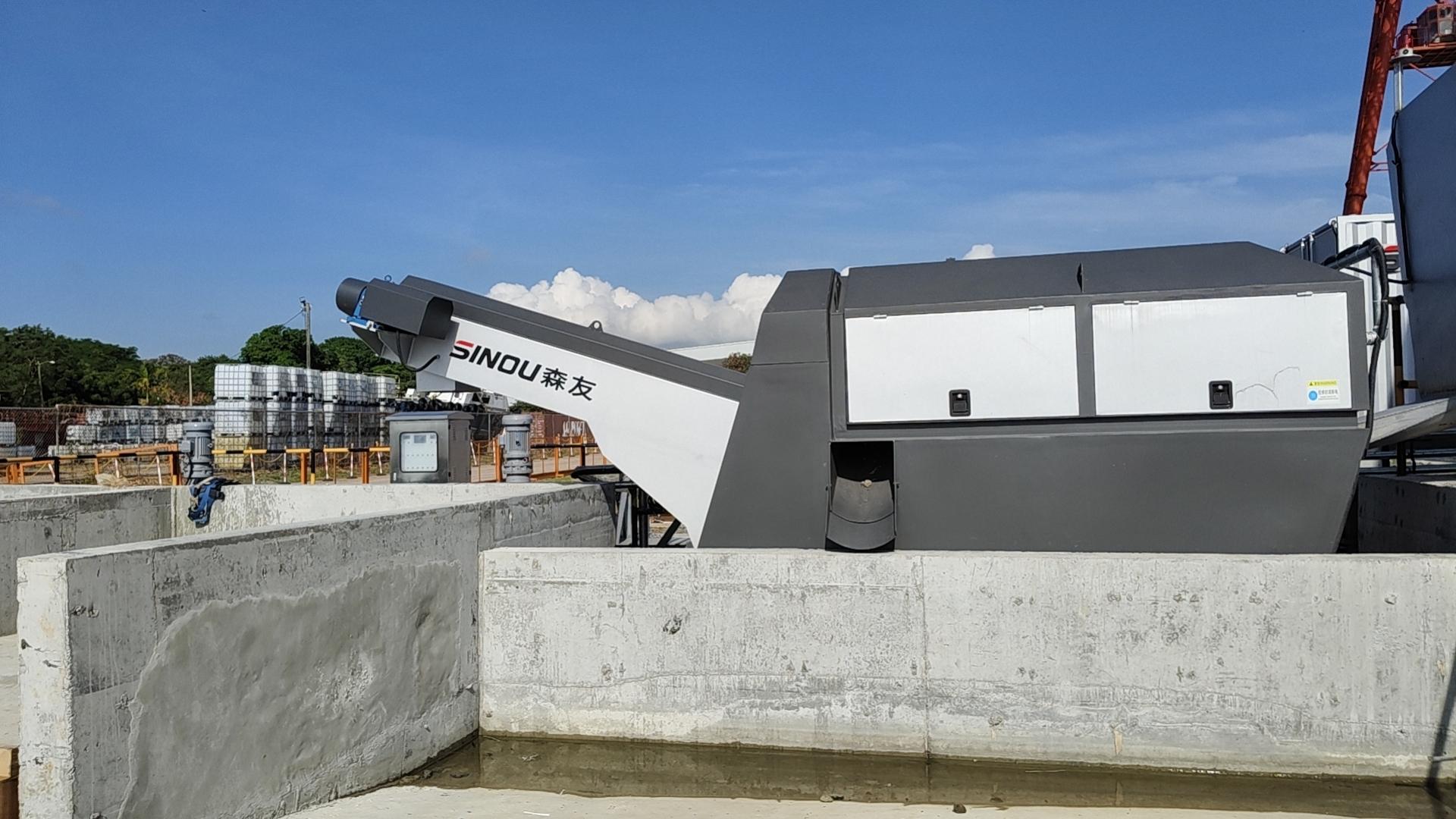
A wash plant moving several hundred tonnes of material per hour rarely notices a one-point shift in water recovery until the top-up meter starts spinning faster. Going from 91% to 94% recovery on a 300-tonne-per-hour system can cut makeup water demand by over 20 cubic meters a day, and that is before accounting for the reduced polymer use in the thickener.
On the aggregate side, losing ultra-fine sand through a poorly tuned cyclone or a worn dewatering screen does not just shrink the saleable pile. It also pushes more solids into settling ponds, which means more frequent dredging, higher haul-off fees, and extra loader hours. A two or three percent gain in fines recovery often pays for the equipment adjustment within weeks, not quarters.
What makes these rates tricky is that they drift. Feed slurry density changes, pump wear alters cut points, and seasonal water temperatures affect settling behaviour. Operators who track recovery as a daily operating number, not an occasional lab check, are the ones who stop small losses from becoming fixed monthly overheads.
Beyond the Spec Sheet: Frames, Drums, and Wear Parts
A frame that looks sturdy on a drawing can still flex in the wrong places once it’s bolted to a job site. Real frame quality shows up in how the load paths are routed, how the welds are profiled, and whether critical mounting points are reinforced without adding pointless weight. It’s the difference between a machine that stays square at 2,000 hours and one that starts eating bearings.
Drums are more than a diameter and a width. The way the shell is rolled and balanced, the hardness pattern on the surface, and the fit of the bearing seats all determine whether vibration stays where it belongs. A drum that’s true at idle but wanders under load will shorten the life of every component bolted to it.
Wear parts get treated like a consumable, but their geometry matters as much as their material. A slightly different lip angle or a harder insert can change how material flows across the drum, which in turn changes frame stress and fuel burn. When those parts are easy to swap without pulling half the machine apart, downtime stops being a hidden cost.
Sizing the Reclaimer to Your Plant’s Daily Truck Flow
The reclaimer's throughput should reflect how many trucks actually show up during the busiest stretch, not just the daily average. A plant receiving 40 loads over ten hours rarely gets them evenly spaced; most arrive in clusters after paving crews finish or when haul routes clear. So sizing for the daily total alone leaves the operator either waiting on material or forcing the feeder to run flat out.
A more reliable method starts with peak two-hour truck count and works backward to the feeder's required tons per hour. If six trucks can arrive inside a short window and each carries 20 tons of millings, the reclaimer needs to move 60 tons per hour just to keep up, plus extra headroom for moisture or bridging. That headroom, often 10 to 15 percent, prevents the drum from starving when feed material doesn't flow as expected.
Oversizing isn't a fix either. A reclaimer that rarely runs above half capacity wastes power, wears belts and flights faster, and can encourage sloppy loading practices. The sweet spot is a feeder sized for the plant's real peak arrival pattern, with enough bin volume to absorb an extra truck or two without making the loader operator chase the pile. That balance keeps daily truck flow moving instead of turning the yard into a bottleneck.
Questions Worth Asking Any Supplier Before You Commit
Before you sign anything or transfer a deposit, ask the supplier how they handle production delays. A vague promise means very little when your inventory is stuck at a port. Ask for a concrete example: the last time a shipment ran late, what exactly did they do? If they hesitate or give you a rehearsed answer, that tells you more than any certificate.
Ask about their quality control process in plain language. Don't settle for a generic claim about strict checks. Request a walkthrough of what happens when a batch fails inspection—who pays for the rework, how fast it gets fixed, and whether they will share inspection reports without you having to chase them. A supplier that gets defensive here often becomes a problem later.
Also worth asking: who actually owns the factory and who runs the floor? Many trading companies present themselves as manufacturers. It is not always a dealbreaker, but you should know whether you are dealing with the source or a middleman, because it changes how quickly issues get resolved. Ask to see a live video call from the production line, not just a polished website.
Payback Math: Freight, Duty, and Spare Parts Included
When calculating payback on equipment, most buyers stop at the invoice price and leave out the costs that actually hit the ledger after purchase. Freight from the port to your facility can add 3–7% depending on distance and access, and import duty is not a flat afterthought—it’s calculated on the landed cost, which includes shipping and insurance. If a supplier quotes you $48,000 for a machine, the real basis for payback may be closer to $53,000 once those line items are folded in.
Spare parts change the math in a different way. A low purchase price often comes with a recommended spares kit that is quoted separately, sometimes at 15–20% of machine value. Including that kit in the upfront investment gives you a more honest denominator for payback, and it also prevents downtime later from becoming an unplanned capital request. The machines that appear cheapest on a supplier’s quote often carry the longest list of “recommended” parts.
A cleaner way to run the numbers is to build a single investment figure: base equipment + freight + duty + first-year spares, then divide by expected annual savings or additional margin. That approach usually adds 10–18% to the headline price and stretches the payback period by two to five months. But it’s the only version that holds up when the finance team asks why the actual cash outlay exceeded the purchase order.
FAQ
Start with the separator drum, not the control panel. A thicker wear plate and a properly pitched spiral make a much bigger difference over five years than a touchscreen. Ask for the drum's steel grade and the gap between the spiral and screen basket; if the factory hesitates to share those numbers, move on.
Request a video of the machine running with actual returned concrete, not clean aggregate. Look for material buildup at the discharge, how fast the sand separator clears, and whether the water looks milky or reasonably clear. Also ask for the test's slump value and aggregate size, because a 50 cubic meter per hour claim means little if it was tested with bone-dry stone.
A double-stage washing system with an adjustable water flow rate is worth the extra money. High-slump concrete carries more cement paste, so a single wash often leaves sand too dirty to reuse. Look for a design that lets operators fine-tune the spray pressure without stopping the drum; that flexibility prevents clogging and cuts manual cleaning time.
Customs brokerage, port handling, and the last-mile delivery to your site can add 18 to 25 percent on top of the invoice. Also confirm whether the quoted price includes the water pump, control cabinet, and wear parts or if those are 'optional extras'. Some suppliers quote a bare frame to look cheap, then charge separately for every hose and sensor.
Ask for a live video walkthrough of the assembly floor, not a polished promo. Have the salesperson zoom in on the welds at the drum support and the thickness of the side plates. If they won't do a live call, pay for a third-party inspection from a local agency—it usually costs under three hundred dollars and catches problems you'd never see in photos.
It pays for itself faster than most buyers expect, especially if your plant pays for water discharge. A good circuit lets you reuse about 80 to 90 percent of the wash water, which cuts both freshwater bills and settling pond maintenance. Just make sure the agitation system keeps cement fines from settling in the tank, otherwise you'll spend more time shoveling sludge than saving water.
Grease the drum bearings every 50 operating hours and check the scraper wear weekly. Most failures come from neglected scrapers; once they wear down, wet sand packs against the screen and overloads the motor. Also flush the spray nozzles with clean water at the end of each shift, because hardened cement buildup there changes the spray pattern and reduces washing efficiency.
Many will adapt the frame height, hopper position, and discharge direction, but only if you ask before the order is placed. Provide a dimensional drawing of your site and mark where the truck will back in. The better factories will shift the control cabinet to the opposite side or shorten the discharge chute at no extra cost, while others try to charge a 'custom design fee' for a simple mirror flip.
Conclusion
A concrete reclaimer from China earns its keep only when you match its recovery performance to your actual pour schedule. The headline numbers on water and aggregate recovery are not optional details—they quietly set your daily operating cost, because every yard of sand and gallon of slurry you pull back is material you do not buy again. Look past the glossy spec sheet at the frame construction, drum wall thickness, and the availability of wear parts like scraper blades and screen sections; these are the components that fail first and decide whether the machine lasts five years or fifteen. Equally important is sizing the unit to your plant's daily truck flow. Too small and drivers queue up waiting for washout; too large and you pay for capacity you never use. A unit sized to the number of returning mixers per hour, not just total yardage, will pay for itself faster.
Before you commit, ask any supplier the questions that reveal how the machine will behave after the sale: what is the lead time for replacement drums and bearings, does the quoted price include the control panel and water pump, and can they provide a reference from a plant running the same truck volume as yours. Then run the payback math with freight, import duty, and a realistic spare parts inventory factored in—not just the FOB price. A seemingly cheap reclaimer can become expensive if you need to air-freight a wear part from across the ocean twice a year. Smart buyers treat the purchase as a system cost: recovery rates, frame durability, sizing, supplier support, and landed cost all move together. When those numbers line up, a China-built reclaimer delivers a practical edge without the usual guesswork.
Contact Us
Contact Person: HaiYan
Email: [email protected]
Tel/WhatsApp: +86 18957325588
Website: https://www.senyoubeton.com/