

China Prototyping Services Supplier: Streamlining Your Product Development Journey
2026-05-29
Bringing a new product to life requires more than just a great idea—it demands reliable prototyping partners who can keep pace with your vision. As a leading China prototyping services supplier, ProtoMat bridges the gap between concept and reality, streamlining your entire product development journey. Whether you need rapid 3D printing, precision CNC machining, or low-volume production, our integrated solutions ensure speed without sacrificing quality. In this post, we’ll explore how the right prototyping partner can eliminate delays, reduce costs, and bring your innovations to market faster. Get ready to transform your development process with a supplier that truly understands the art of making things real.
Why Speed Isn’t Everything in Prototyping—But China Gets It Right Anyway
The rush to build prototypes often becomes a race against the clock, but fixating on speed alone can lead to fragile designs that crumble under real-world stress. True prototyping value lies in the feedback loop it enables—the ability to test, break, and refine ideas without wasting resources. When teams prioritize learning velocity over raw fabrication speed, they uncover hidden flaws early and avoid costly downstream corrections.
China’s prototyping ecosystem doesn’t just excel at rapid turnaround; it integrates speed seamlessly with iterative depth. Factories in Shenzhen, for instance, couple lightning-fast CNC machining or 3D printing with on-the-spot engineering tweaks from seasoned technicians. This blend of pace and pragmatism means a prototype isn’t merely a one-off part—it’s a conversation starter that evolves through dozens of versions in the time a typical Western shop would still be finalizing the CAD file.
Moreover, the country’s dense supply networks lower the barrier to experimentation. A designer can walk into a market, source alternative components within hours, and test a revised assembly by evening. This physical agility turns prototyping into a low-risk, high-reward sprint rather than a linear, slow-motion process. Speed here becomes a byproduct of operational wisdom, not an end in itself—and that’s precisely what makes Chinese prototyping so effective.
The Overlooked Design Tweaks That Slash Production Costs
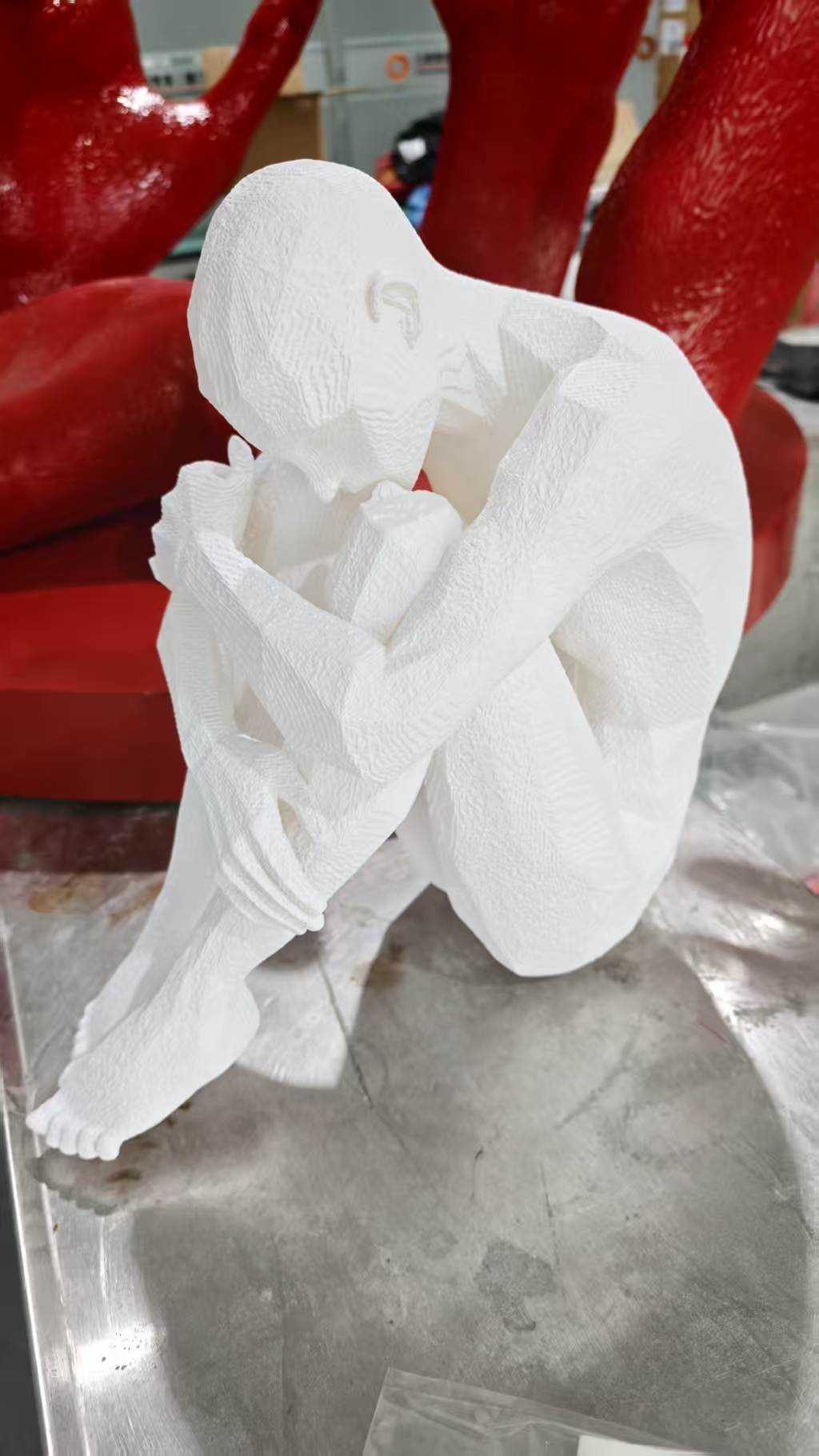
Most designers obsess over aesthetics or functionality, yet few realize that subtle geometry shifts in parts can eliminate entire machining steps. A slight draft angle added to a plastic housing, for instance, lets the mold release without secondary operations—saving thousands over a production run. It’s not glamorous, but it’s where costs quietly evaporate.
Material choices often get locked in early, but reconsidering them through a manufacturing lens reveals savings hidden in plain sight. Swapping a CNC-machined aluminum bracket for a high-strength polymer that’s injection-moldable can drop per-unit costs by over 60%, with zero performance trade-offs if the loads are well-understood. The trick is asking whether the original spec was driven by habit rather than actual stress requirements.
Fastener reduction is another undervalued move. Every screw or clip added to an assembly multiplies labor and inventory costs, not just part count. Design snap fits or interlocking tabs into the initial CAD model, and you might strip out entire manual assembly stations. One consumer electronics team cut assembly time by 12 seconds per device simply by eliminating two unnecessary screws—small change, massive cumulative effect.
How a Shenzhen Partner Turns Your Napkin Sketch into a Market-Ready Product
A simple drawing on a napkin often holds the kernel of a breakthrough idea. But that gap between imagination and a tangible, consumer-ready device is where most concepts stall. A Shenzhen partner bridges this chasm by instantly translating your rough lines into engineering reality—decoding intent even from ambiguous strokes, and pairing you with specialists who’ve seen thousands of similar challenges solved overnight.
Within days, not months, your sketch becomes a functional prototype. This speed is not magic; it’s the result of tightly woven supply chains where chips, molds, and displays sit within a few subway stops. Iterations happen in the same building where components are made, meaning that design adjustments feed instantly into the next build, compressing what elsewhere takes quarters into a single weekend.
The final leap comes when that prototype matures into a shelf-ready item—complete with certifications, packaging design, and production lines humming at scale. Your napkin doodle effectively bypasses the typical orphan stages of development, emerging as a product with real-world materials, regulatory clearances, and a manufacturing rhythm that can flex from hundreds to millions of units without skipping a beat.
Beyond the Quote: What Really Matters When Vetting a Prototype Supplier
Quotes can be seductive. A low number on a spreadsheet might whisper sweet promises of budget adherence, but it rarely tells the full story. You’re not simply buying a one-off part; you’re investing in a relationship that will either accelerate your development or drown it in delays. The true cost reveals itself later—in misaligned tolerances, material substitutions you never approved, or communication gaps that turn a two-week lead time into two months of silence. Smart teams learn to look past the initial price and scrutinize the supplier’s process maturity, quality controls, and problem-solving reflexes. Those intangibles determine whether your prototype arrives as a functional step forward or a paperweight that drains your time.
Equally critical is the supplier’s willingness to engage with ambiguity. Prototype stages are inherently messy; specs evolve, designs pivot, and what seemed clear on a Friday might be obsolete by Monday. A supplier who clings rigidly to the original drawing without raising flags or offering practical alternatives becomes a bottleneck. The best partners treat your napkin sketch with curiosity, not contempt. They ask the uncomfortable questions early: “Did you consider this stress point?” or “This surface finish won’t survive your test cycle.” That proactive candor is worth more than any line-item discount. It transforms a transactional exchange into a collaborative engineering dialogue where risk is surfaced before it becomes scrap.
Finally, vet how the supplier handles failure. In prototyping, something will go wrong—a dimension drifts, a finish peels, a delivery evaporates. The hallmark of a invaluable partner isn’t a perfect record but how they respond when the inevitable hiccup occurs. Do they dissemble and deflect, or do they own the problem with a specific recovery plan? Watch for evidence of systematic root-cause thinking rather than quick-fix heroics. A supplier who can calmly detail why an error happened and how their process will prevent its recurrence is building a bridge to your production phase. That resilience and transparency are the real deliverables you’re shopping for.
When ‘Good Enough’ Prototypes Kill Great Products—And How to Avoid It
There’s a quiet danger in celebrating a prototype that’s just “good enough.” Teams often rally around a functional mockup, mistaking its early traction for proof of a winning idea. But what they’re actually seeing is the bare minimum—a survival-mode version that skips daring features and rough edges that might lead to something remarkable. The prototype becomes a ceiling, not a stepping stone, because nobody wants to break what already seems to work. Original ambition gets sanded down in favor of safe, iterative polish, and eventually you ship a product that’s fine but forgettable—the ghost of what it could have been.
Avoiding this trap means rethinking how prototypes are used. Instead of treating them as the blueprint to beat, frame them as boundary-testing experiments. Ask: “What’s the boldest version we’re afraid to build?” Then push in that direction while the cost of failure is still low. Involve people who haven’t fallen in love with the prototype—fresh eyes that spot where mediocrity has seeped in. And set explicit checkpoints to reassess whether you’re still chasing the original spark or just marching toward an acceptable launch. The goal isn’t to discard “good enough” prototypes entirely; it’s to use them as mirrors that reveal where you’re settling, and then refuse to settle.
From First Sample to Final Shipment: The Unseen Steps That Prevent Delays
Between the moment a design is approved and the day it lands on shelves, there's a quiet choreography that rarely gets attention. The first sample sets the tone—not just for how the product looks, but for how every future step will unfold. Discrepancies caught here, even subtle ones, prevent cascading issues down the line. It's not about rushing to approval; it's about making sure the sample tells the truth about what's possible.
Once the sample passes inspection, the real orchestration begins. Material lead times, factory scheduling, and transit buffers are mapped with almost obsessive detail. A two-day delay in fabric delivery might seem minor, but without built-in buffers, it can domino into missed ship windows. The teams that avoid delays aren't just tracking dates—they're tracking dependencies, anticipating shortages, and calibrating every handoff so that no single point of failure goes unnoticed.
Then comes the final stretch: pre-shipment checks that go beyond a quick glance. Packaging integrity, labeling accuracy, and carton configurations are verified against destination requirements. Something as simple as a mislabeled carton can strand a shipment at customs for days. By the time the container doors close, hundreds of small decisions have already ensured that the only surprise left is how smoothly everything landed.
FAQ
They combine advanced manufacturing capabilities with cost-effective labor, allowing you to iterate faster without blowing your budget. Many have in-house CNC, injection molding, and 3D printing, so you're not juggling multiple vendors.
The best ones offer design for manufacturability (DFM) reviews early on. They'll flag issues like undercuts or weak wall thickness before machining begins, saving you costly revisions down the line.
Not if you pick the right team. Look for suppliers with fluent English-speaking engineers who use project management tools and share real-time updates. Clear communication channels make the distance irrelevant.
It depends on complexity, but many projects go from CAD file to physical part in as little as 5–7 business days. Some even offer expedited three-day options for urgent needs.
Absolutely. Many suppliers bridge prototyping to production seamlessly, using the same equipment and materials, so the transition is smooth and the parts remain consistent.
Reputable suppliers will sign non-disclosure agreements and can work with encrypted files. Some even compartmentalize projects so that no single engineer sees the full design.
Almost anything: metals like aluminum, stainless steel, titanium; plastics from ABS to PEEK; plus silicone, rubber, and even wood-like composites. Finishes range from basic sanding to painting, anodizing, and laser etching.
Despite shipping costs, the overall savings usually outweigh local alternatives, especially for multi-iteration projects. Many suppliers use consolidated freight to reduce rates, and the per-unit cost is often much lower.
Conclusion
China's prototyping ecosystem has matured far beyond mere speed—though the rapid turnaround remains a genuine advantage. Top-tier suppliers now integrate cost-saving design tweaks early on, catching subtle material or structural adjustments that can slash production expenses without sacrificing quality. In Shenzhen, a capable partner doesn't just fabricate your sample; they intelligently interpret rough concepts, guiding your napkin sketch through technical refinements until it's ready for real-world markets. This hands-on engineering collaboration is what turns a promising idea into a manufacturable, competitive product.
When vetting a supplier, the initial quote only scratches the surface. What truly matters is their engineering depth, communication transparency, and failure-mode awareness. Too many projects stall because "good enough" prototypes hide critical flaws that surface later—experienced Chinese providers stress iterative testing and honest feedback to prevent that. Moreover, the journey from first sample to final shipment involves dozens of unglamorous steps: component sourcing verification, assembly process fine-tuning, quality checkpoint alignment, and logistics handshakes. Partners who meticulously manage these invisible stages are the ones who consistently keep your timeline on track and your product out of limbo.
Contact Us
Contact Person: Joe
Email: [email protected]
Tel/WhatsApp: +8613799507208
Website: https://www.3dprotomat.com/