

China Rigid Box Packaging Is the Smart Choice for Premium Product Presentation
2026-11-24
Premium products rarely get a second chance at a first impression, and the packaging often does the talking before the item is even seen. China rigid box packaging has become a quiet driver of that moment—not just for protection, but for the weight, texture, and structure that signal quality in the first few seconds. Working with Imagine Craft Packaging, we have watched brands turn a well-made rigid box into a stronger perceived value than a costly ad campaign. Below is a practical look at what makes rigid boxes from China a scalable choice and why they are becoming the default for launches that need to feel premium.
The First Touch Tells the Real Story
When fingers first meet a surface, there is a brief moment before thought catches up—pressure, warmth, and texture arrive all at once. That first contact rarely lies. It can show whether a material was chosen with care or simply specified to meet a budget. The hand notices what the eye often skims over: a slightly rough edge, the cool weight of solid metal, the unexpected give of a cushion.
This is why a handshake, a door handle, a phone case, or the spine of a book can shape an impression faster than any polished description. Words can be rehearsed and lighting adjusted, but touch is immediate and personal. An object that feels substantial tends to earn trust without asking for it; one that feels flimsy quietly undermines the story being told elsewhere.
Paying attention to first touch means thinking about the seconds before use. Is there a subtle texture that invites the fingers to linger? Does the object settle naturally into the hand? Those qualities rarely appear in a list of features, yet they often decide whether something is reached for again or quietly set aside.
Rigid Boxes Hold Their Poise After Shipping
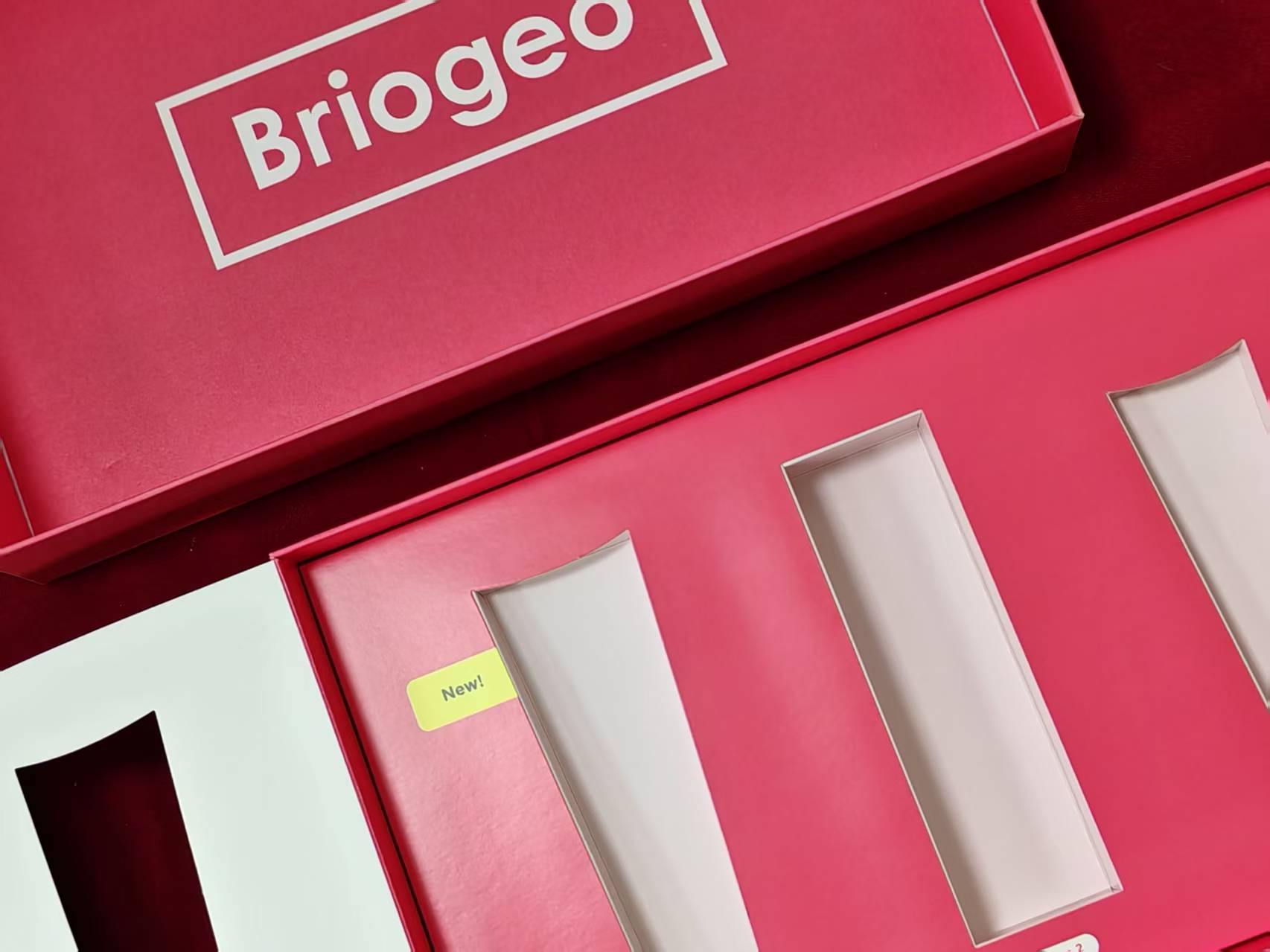
Drop a rigid box into a mailer and it never flinches. The corners stay sharp, the lid still closes with that satisfying little press, and the surface resists the usual scuffs that make flimsy packaging look tired after a single journey. We’ve seen boxes arrive after cross-country trips looking like they just left the packing table, which is exactly the kind of quiet confidence a luxury product deserves.
That composure comes from dense board and a wrapped exterior that absorbs shock instead of passing it along to the contents. Paper dents and crumples under pressure, but a rigid box spreads the load across its structure, keeping the form intact even when the courier treats the package like a football. The result is an unboxing moment that doesn’t require a disclaimer about rough handling.
What truly sets it apart is how ordinary that resilience feels. There’s no need for extra foam nests or double-boxing just to survive the trip. You seal it, ship it, and trust that the first thing your customer sees is the same crisp silhouette you intended—not a dented corner apologizing for the journey.
Chinese Manufacturing Adds the Details That Read as Luxury
The quiet shift in Chinese manufacturing is not about louder branding or faster output. It shows up in the way a zipper pull is weighted just enough to feel substantial, or how a seam is taped and turned so the inside of a bag looks as considered as the outside. These are small choices, but they accumulate into a product that does not ask for attention.
In practice, this means factories that once focused on volume now keep specialist teams for edge painting, hand-stitched handles, and metal finishing. A clasp is tested until it closes with a muted click. Leather edges are sanded, dyed, and sealed in several passes. The goal is not to imitate a European atelier, but to reach the same tactile standard through patient, repeated work.
What reads as luxury is rarely a single dramatic feature. It is the absence of raw cut edges, the consistent gap around a frame, the slight resistance in a drawer or case. Chinese workshops are increasingly treating those details as non-negotiable, which changes how the final product feels in the hand long before anyone looks at the label.
Finishing Choices That Change Perceived Value
A matte finish does more than cut reflections. It changes how a product sits in the hand, making plastic feel less hollow and metals feel warmer. That slight grain or soft-touch layer adds a sense of restraint, and people often read that restraint as quality.
Edges matter just as much. A crisp chamfer that catches light in a straight line suggests machining tolerances that most buyers will never measure. Rounded corners with a consistent radius feel intentional, while sharp, unfinished seams tend to make the whole object seem cheaper than it is.
Even hidden surfaces shift perception. When the inside of a case or the underside of a lid has a texture or dull polish, it implies that someone considered the parts you don't always see. That small investment in a non-visible finish can make the visible finish feel more honest, and the price easier to justify.
Unboxing Is the New First Date
There was a time when meeting someone meant a crowded bar, bad lighting, and a rehearsed answer to “So what do you do?” Now the first meaningful encounter often happens on a kitchen floor, with scissors in hand and the cardboard smell of a fresh shipment. You didn’t swipe right on a person, but on a product page. The anticipation builds the same way: tracking numbers become vague texts, delivery windows feel like waiting for a reply, and the moment of opening is either butterflies or instant regret.
Unboxing strips away small talk. You don’t need to ask the package how its day was. Instead, you notice the details: the heft of the box, the resistance of the tape, the way the tissue paper is folded like it actually wants to impress you. A well-packed item can spark more joy than a mediocre date, and a flimsy one leaves the same disappointment as a person who shows up late and talks only about themselves. The stakes feel oddly similar too — nobody wants to admit they spent money on something that looks better on screen, just like nobody wants to admit they ignored the red flags in a profile.
The ritual has its own etiquette. Some people film it, others save the unboxing for a quiet evening with good light. Either way, the opening is no longer just about utility; it’s about connection. You’re asking the same question you would on a first date: is this thing actually what it claimed to be? The answer comes quick. And when it’s good, you’re already thinking about the second date — maybe a matching accessory or another item from the same brand. When it’s bad, the return label feels like never texting back.
Smart Brands Spend on the Box, Not the Shipping Weight
There is a quiet obsession in e-commerce with making packages lighter. The spreadsheet logic says that shaving a few ounces means lower carrier fees, and lower fees mean happier margins. But that math misses a more profitable truth: the box itself is the first physical moment a customer has with your brand. When a package arrives crushed because someone picked the flimsiest mailer to save a buck, the customer does not think about logistics. They think the brand does not care about details. Smart brands flip the priority. They accept a slightly heavier, sturdier box because that box is doing real work long before the product is opened. It is absorbing the rough ride through distribution hubs, protecting corners, and showing up looking like it was handled with intent.
This is not about luxury packaging for the sake of it. It is about matching the container to the promise. A $40 skincare set in a paper-thin mailer feels like an afterthought. A $40 skincare set in a rigid, well-fitted carton with clean inserts feels like a decision. The weight difference might be negligible to the carrier bill, but the perception difference is enormous. Customers associate the physical weight and rigidity of a package with the value of what is inside. That unconscious signal gets attached to your logo, your color choices, your messaging tucked inside. If the box arrives dented or flexing under simple handling, every dollar spent on product photography and brand storytelling gets undermined at the last step.
Consider the economics differently. A heavier box may add ten or twenty cents to shipping. But it also reduces the incoming rate of “arrived damaged” complaints, which clog up support queues and trigger reshipments that eat far more than twenty cents. It lowers the number of customers who decide not to reorder because the first unboxing felt flimsy. It increases the chance that the box gets set aside, reused, or shown on camera. Those small shifts compound. The real inefficiency is not the box that weighs a few ounces more. The real inefficiency is paying for shipping at all and then letting the package arrive looking like it survived a fight. Smart brands spend on the container because that is the only part of the purchase the customer actually touches before they touch the product.
FAQ
A rigid box is built around a thick board core, usually greyboard, which gives it a firm feel and a quiet sense of substance before it is even opened. Folding cartons flatten easily and can feel temporary, while a rigid box signals that the product inside is meant to be kept, displayed, or gifted.
The format works well for cosmetics, fragrance, jewelry, watches, electronics, spirits, and limited-edition gifts. It is less about the category and more about the intent: if a brand wants the customer to slow down and treat the opening as part of the experience, a rigid box makes sense.
Many Chinese packaging suppliers have in-house capabilities for soft-touch lamination, embossing, debossing, foil stamping, spot UV, and precise magnetic closures. Because these steps are often handled under one roof, the turnaround can be quicker and the details more consistent than when finishing is split across multiple vendors.
Not necessarily. Even a mid-range product can use a simpler rigid structure with minimal finishing to raise perceived quality without extreme cost. The key is to match the box design to the brand's margin and audience, rather than assuming all rigid packaging must carry heavy decoration.
Look for clear communication about materials, structural samples before mass production, and a willingness to test closures and inserts. A reliable supplier will ask about product weight, dimensions, shipping conditions, and how the box will be opened, instead of only quoting a price per piece.
Yes. Recycled greyboard, FSC-certified paper wraps, water-based adhesives, and removable inserts made from molded pulp can all be used without losing the rigid feel. Some brands also design the box to be reusable, which reduces the chance it is thrown away immediately after unboxing.
They hold their shape much better under stacking and handling. The stiff walls protect corners and edges, and with a well-fitted insert the product is less likely to shift. The trade-off is higher volume and weight, so freight planning needs to account for that from the start.
Small decisions make a difference: a magnetic closure that snaps with the right resistance, a ribbon pull that sits flat, an interior color that contrasts with the product, and a wrap that continues neatly over the edges. These details are felt more than read, which is why they leave a stronger impression than heavy branding alone.
Conclusion
Maybe it starts with the weight of the lid, or the way the corners are wrapped without a single visible crease. Chinese rigid box makers have turned packaging into a quiet form of luxury communication. The first touch matters because it tells the customer what the brand believes about its own product. Details like embossed patterns, soft-touch lamination, spot UV, and metallic edges are not afterthoughts; they are chosen to shift the way the object inside is perceived. When a box is produced well in China, the glue lines disappear, the hinges feel solid, and the finish invites a hand to linger.
That impression also has to survive transit. Rigid boxes hold their shape after shipping because they are built with dense board and reinforced construction, not just decorative paper. When a package still looks sharp after crossing borders, the brand earns trust before the product is even unwrapped. Unboxing then becomes a deliberate moment rather than a struggle with tape and dented corners. Smart brands recognize that the real trade-off is not the box versus the product, but the box versus the shipping weight. A well-engineered Chinese rigid box adds perceived value without turning the package into a freight burden.
Contact Us
Contact Person: Sunnie
Email: [email protected]
Tel/WhatsApp: +8615818596517
Website: https://www.imagine-craft.com/