

China's New Chemical Materials Trade: Trends, Challenges, and Opportunities
2026-06-23
As global industries pivot toward sustainability and high-performance materials, China’s new chemical materials sector is rewriting the rules of international trade. From advanced polymers to specialty composites, this rapidly evolving landscape offers both promise and complexity — but staying ahead means reading between the lines of policy shifts, supply chain resilience, and market access. At ICIF, we’ve seen how the fusion of innovation and regulation is reshaping trade flows, creating unexpected hurdles and fresh openings. Whether you’re sourcing, investing, or strategizing, understanding these dynamics isn’t optional — it’s essential. In this post, we unpack the trends defining the moment, the challenges testing even seasoned players, and the opportunities quietly emerging for those paying attention.
Shifting Global Demand Patterns for Advanced Materials
The landscape of advanced materials demand is undergoing a profound transformation, driven by a complex mix of technological breakthroughs, environmental imperatives, and evolving consumer preferences. Traditional industrial powerhouses in North America and Western Europe, once the undisputed centers of consumption, are now seeing their growth rates plateau as manufacturing efficiency gains and circular economy principles reduce per-unit material intensity. Meanwhile, the epicenter of demand is rapidly gravitating toward emerging economies in Asia, Africa, and Latin America, where urbanization, infrastructure expansion, and a burgeoning middle class are fueling an insatiable appetite for high-performance polymers, advanced composites, and specialty alloys. This shift isn’t merely about volume—it’s about the very nature of materials sought, with a clear pivot from conventional metals and plastics to functional materials that enable smarter, lighter, and more durable end-products.
Equally disruptive is the reorientation of R&D investment and supply chain dynamics in response to these new demand patterns. Companies are increasingly co-locating innovation centers near growth markets, not just to slash logistics costs but to tap into local talent and tailor formulations to regional climatic and regulatory conditions. The battery materials sector exemplifies this trend: lithium, cobalt, and rare-earth processing hubs are sprouting far from mining sites, clustered instead near gigafactories in Southeast Asia and Eastern Europe. Even more striking is the rise of “materials as a service” models, where suppliers lease high-value components rather than selling them outright, recapturing embedded value and aligning incentives with lifecycle performance. Such models thrive where regulations are strict and waste infrastructure is nascent, further tugging demand toward regions with both ambition and capability gaps in traditional extraction-to-disposal chains.
Yet these shifts are far from linear. Geopolitical frictions, resource nationalism, and sustainability mandates are injecting new volatility into demand projections. The pandemic-era scramble for personal protective equipment and medical-grade polymers exposed the fragility of concentrated supply, prompting a wave of regionalization that paradoxically boosts local demand for advanced ceramic substrates and clean-room processing materials. Meanwhile, the global push for green hydrogen and carbon capture is creating completely new material vectors—proton-exchange membranes, high-entropy alloys for extreme corrosion resistance, and bio-inspired composites—whose demand hot spots are still forming. In this fluid environment, understanding demand is less about forecasting numbers and more about reading the interplay between policy signals, technology readiness levels, and the race to lock in value chains that can adapt overnight.
Regulatory Hurdles Reshaping Export Strategies
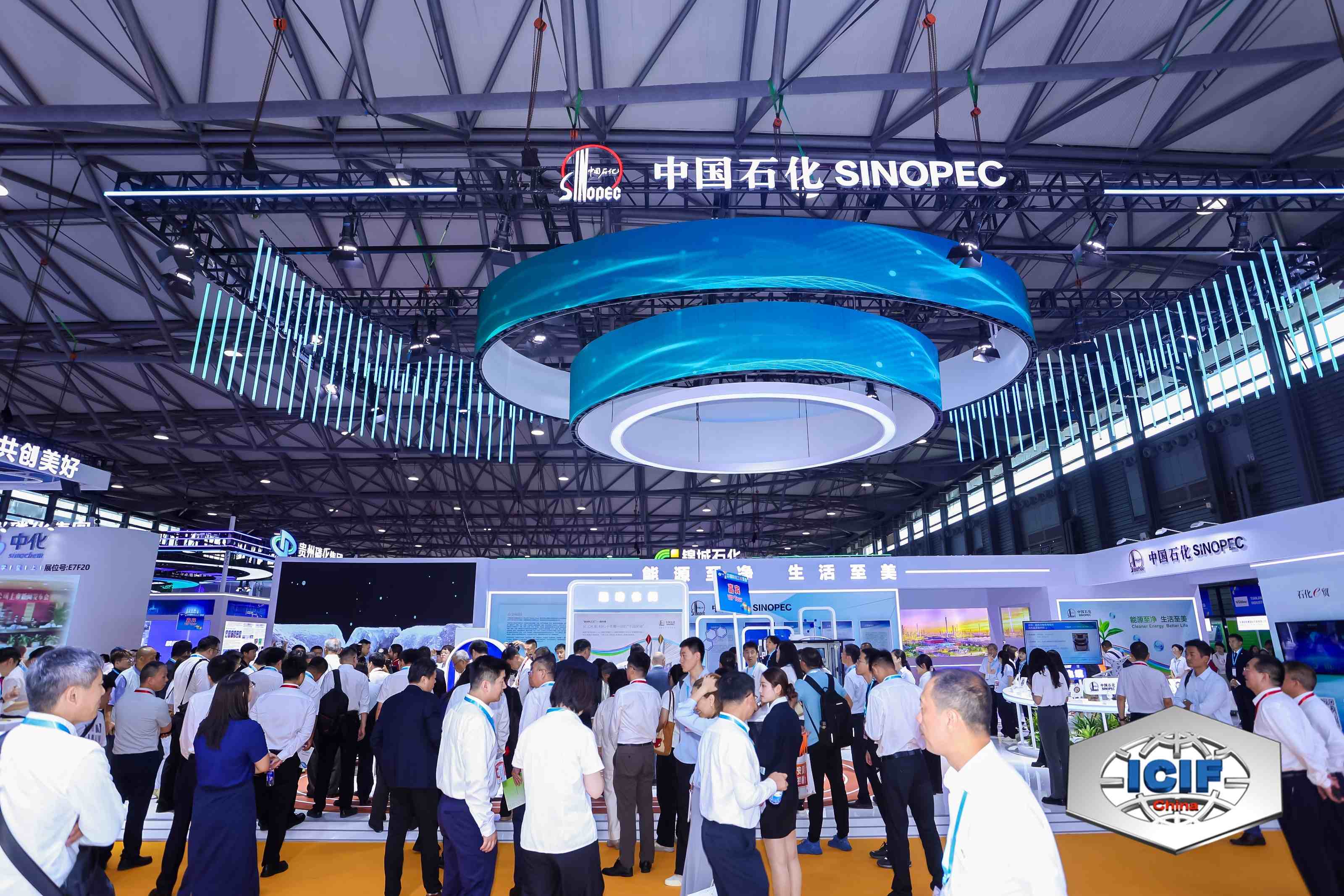
Exporters today are navigating a minefield of shifting sanctions, tariff walls, and labyrinthine compliance demands. What once was a straightforward border-crossing now demands forensic attention to origin certificates, end-user agreements, and evolving trade pacts. Many firms are finding that legacy one-size-fits-all approaches to foreign markets simply crumble under the weight of new rules.
In response, company strategies are splintering. Some are quietly decoupling from high-risk regions, rerouting through neutral hubs with lighter oversight. Others are doubling down on in-country assembly or tangling their supply lines with local partners to meet value-added thresholds. A growing number are embedding regulatory specialists within product teams rather than treating compliance as an afterthought. The cost of a misstep—frozen shipments, exclusion from key markets—has become too painful to ignore.
Beyond short-term fixes, the entire architecture of export operations is morphing. We’re seeing a push toward distributed manufacturing, where a single factory serves a regional bloc immune from cross-cutting sanctions. Digital documentation systems are replacing paper trails, not just for efficiency but because they offer an audit shield against sudden enforcement actions. The upshot is a world where trade corridors are no longer drawn purely by demand but by a calculus of legal exposure and regulatory tolerance.
Innovation-Driven Growth in Specialty Chemicals
In the specialty chemicals sector, innovation is not merely a pathway to growth—it is the fundamental driver that differentiates market leaders from followers. Companies that embed research and development into their core strategy consistently outperform, creating high-value, customized solutions that address specific industrial challenges. This approach transforms chemical manufacturing from a commodity-based model to one centered on functional performance, enabling firms to command premium pricing and build lasting customer relationships.
True innovation extends beyond the laboratory. It encompasses collaborative partnerships with end-users, agile supply chain integration, and a culture that champions experimentation. For instance, advancements in sustainable chemistries—such as bio-based solvents and recyclable polymers—have opened new revenue streams while aligning with global environmental mandates. By anticipating regulatory shifts and societal demands, forward-thinking companies not only mitigate risks but also seize emerging market niches.
Ultimately, innovation-driven growth requires a disciplined portfolio management approach, where R&D investments are balanced against commercialization potential. Leading firms leverage digital tools like predictive analytics to shorten development cycles and enhance product performance. This strategic fusion of technology and chemistry enables the rapid scaling of breakthroughs, ensuring that innovation translates into tangible market impact and long-term profitability.
Supply Chain Resilience in a Volatile Trade Environment
Global trade shocks have moved from occasional disruptions to a permanent feature of the business landscape. Companies used to design supply chains purely for cost efficiency, but extreme weather, geopolitical friction, and sudden policy shifts have exposed how fragile those lean models can be. Building resilience now means accepting that volatility is the new normal and rethinking how value is created across the entire chain—not just how to move boxes faster.
Many firms are quietly shifting away from single-sourcing strategies, even when the alternatives seem less profitable on paper. They are investing in regional supplier networks, digital twins that model disruption scenarios, and flexible logistics partnerships that can reroute flows within days rather than weeks. The most effective approaches blend scenario planning with real-time visibility tools, giving decision-makers a clearer picture of what’s happening upstream and downstream before a minor delay becomes a full-blown crisis.
Ultimately, resilience is becoming less about stockpiling inventory and more about creating optionality. Whether it’s by qualifying backup suppliers in politically stable regions or embedding circular economy principles to reduce dependence on raw material imports, the goal is to keep options open. The companies that thrive in this environment will be those that treat volatility not as a temporary headache, but as a design requirement for how their supply chains operate every day.
Sustainability as a Catalyst for Market Opportunities
The shift toward sustainable practices often feels like a financial burden at first glance, but it consistently uncovers overlooked niches. Companies that reimagine waste as a resource, for instance, stumble into entirely new revenue streams—whether through take-back programs that refurbish and resell used goods or by turning byproducts into raw materials for other industries. This reframing doesn’t just cut costs; it reveals demand that competitors locked in linear models can’t see.
Consumer expectations have quietly reshaped the playing field. A growing segment of buyers now judges brands on their ecological footprint with the same scrutiny once reserved for price and quality. Firms that authentically embed sustainability into their products—not as a marketing veneer but as a genuine design principle—tap into a loyalty that transcends transactional relationships. These aren’t niche green buyers anymore; they’re mainstream households willing to pay a premium for transparency, creating openings that didn’t exist a decade ago.
Rethinking supply chains through a sustainability lens also acts as a quiet market accelerator. Shortening logistics routes, sourcing from regenerative farms, or investing in durable packaging might seem like operational tweaks, but they build resilience against volatile commodity prices and regulatory shocks. The businesses that treat these moves as strategic bets rather than compliance exercises end up with faster time-to-market and a reputation that attracts partners, investors, and talent ahead of the curve.
Strategic Partnerships and Market Diversification
Forging alliances with complementary businesses has allowed us to enter markets that once seemed out of reach. By identifying partners whose strengths fill our gaps, we’ve been able to co-create offerings that resonate locally while leveraging global expertise. These aren’t just transactional deals—they’re long-term relationships built on shared goals and mutual trust, enabling us to navigate regulatory complexities and cultural nuances with greater ease.
Rather than spreading ourselves thin across dozens of markets, we concentrate on a handful of high-potential regions where our value proposition aligns with unmet needs. This focused diversification strategy means tailoring products to fit local preferences, adjusting supply chains for resilience, and sometimes even rethinking our pricing models. The result is a portfolio of revenue streams that are not only varied but also deeply rooted, giving us a buffer against downturns in any single geography.
We’ve also started looking beyond traditional industry boundaries, exploring sectors that intersect with our capabilities in unexpected ways. From tech-enabled services in agriculture to sustainable energy solutions for remote communities, these lateral moves are opening doors to entirely new customer bases. It’s a deliberate shift from chasing scale to chasing relevance, ensuring that each partnership or market entry reinforces our core strengths while pushing us into fresh territory.
FAQ
China's new chemical materials trade is being shaped by a shift toward high-performance and specialty materials, driven by sectors like electric vehicles, 5G, and renewable energy. There is a growing emphasis on import substitution for advanced polymers and composites, while exports are expanding in areas such as battery chemicals and engineering plastics. Regional supply chain realignments and stricter environmental regulations are also influencing trade flows.
Key challenges include technological bottlenecks in producing high-end materials, reliance on imported core technologies, and trade barriers from major economies. Supply chain disruptions, fluctuating raw material costs, and the need to comply with diverse international environmental and safety standards add further complexity. Additionally, there is intense competition from established global chemical giants.
The EV boom has skyrocketed demand for battery materials like lithium compounds, cathode precursors, and electrolytes. China has become a major exporter of these materials, but also faces tight supply for key resources like cobalt and nickel, prompting efforts to secure overseas mines and invest in recycling technologies. This dynamic is reshaping trade partnerships and logistics networks.
International firms can tap into China's massive downstream manufacturing base by providing advanced materials that are not yet locally available, such as specialty films, high-purity chemicals, and advanced composites. Joint ventures and technology licensing offer pathways to navigate regulatory landscapes, while catering to China's green transition opens niches in biodegradable plastics and circular economy solutions.
Sustainability is prompting stricter regulations on chemical production and waste, leading to a premium on eco-friendly materials. China is promoting green chemical parks and circular use initiatives, while importing countries are imposing carbon border adjustments. This pushes for innovation in bio-based materials and cleaner production processes, affecting both import and export compositions.
FTAs reduce tariffs and harmonize standards, facilitating smoother trade in chemicals. China's participation in RCEP, for instance, has boosted chemical trade within Asia by simplifying rules of origin and lowering costs. They also encourage technological collaboration and help Chinese companies access new markets, though compliance with intellectual property provisions remains critical.
One notable success is the export of spandex and other high-performance fibers, where Chinese manufacturers have scaled production to dominate global supply. With competitive pricing and improved quality, these materials have captured significant market share in textile and medical sectors, illustrating how technological catch-up and scale can drive trade growth.
Digital platforms and data analytics are streamlining supply chain management, enabling real-time tracking and predictive maintenance for chemical logistics. Blockchain is being explored for material traceability and quality assurance, while online B2B marketplaces are making it easier for small and medium enterprises to engage in international trade, increasing market efficiency and transparency.
Conclusion
The trade in China's new chemical materials is navigating a period of profound change, shaped by evolving global demand for advanced materials. Industries from electronics to automotive are increasingly seeking specialized, high-performance inputs, prompting Chinese manufacturers to upgrade their capabilities. Yet this shift forward is tempered by a web of regulatory hurdles that continuously reshape export strategies. Compliance with international standards and sustainability mandates has become a critical pivot, often determining market entry and forcing companies to rethink product formulations and documentation processes.
Innovation remains a bright spot, with specialty chemicals driving growth through sustained investment in R&D and novel applications. Firms are balancing this push with an urgent focus on supply chain resilience, overhauling logistics and supplier networks in response to trade volatility and geopolitical tensions. Sustainability, far from being a mere checkbox, is unlocking fresh opportunities as global buyers prioritize low-carbon and circular solutions. Strategic partnerships and market diversification into emerging regions are also gaining momentum, enabling Chinese companies to hedge risks and carve out stable footholds in a landscape marked by both fierce competition and transformative potential.
Contact Us
Contact Person: Shaozhen Zhou
Email: [email protected]
Tel/WhatsApp: 0086-18612117599
Website: https://en.icif.cn/