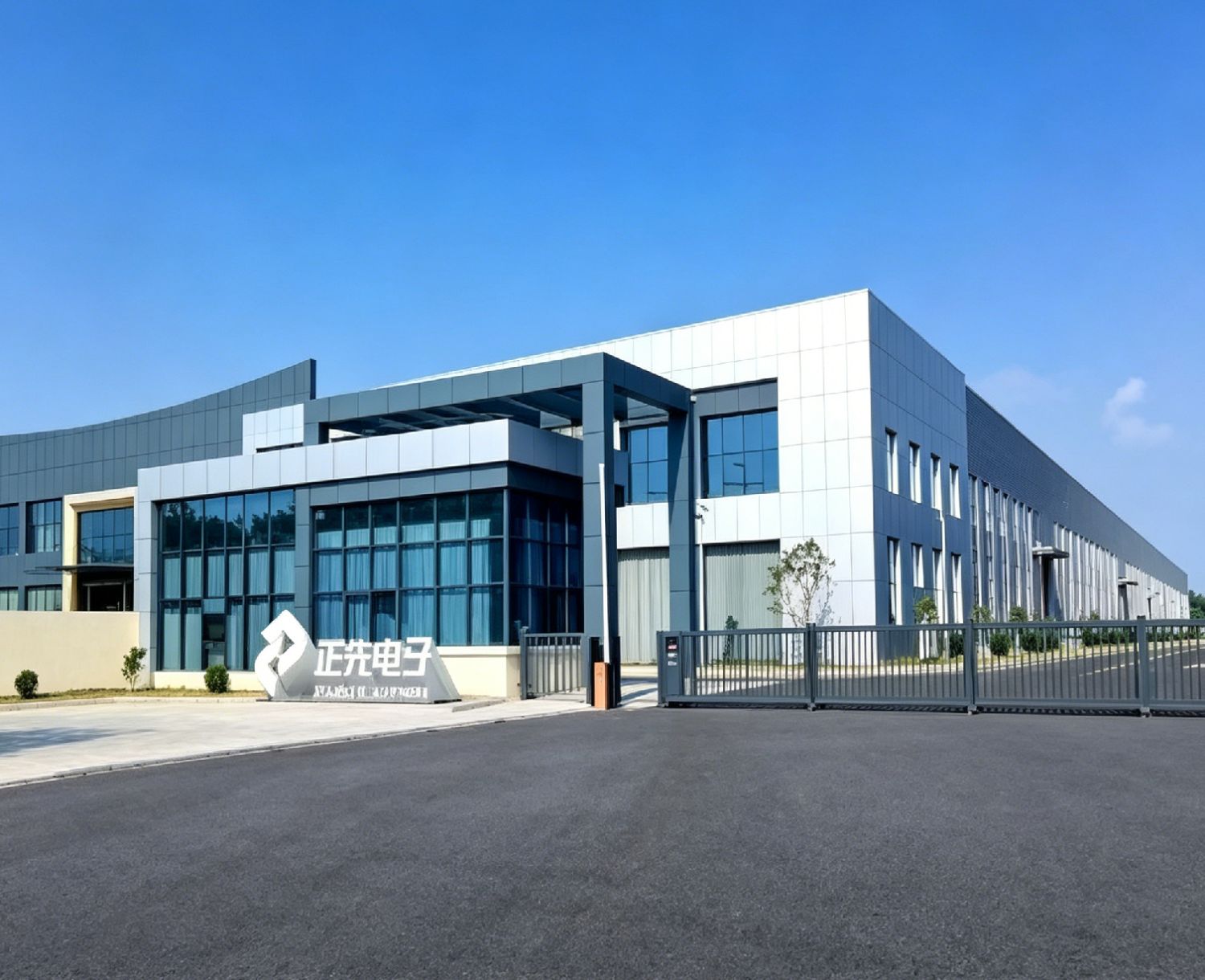

China Smart Bus Stop Innovations Reshape Urban Transit
2026-08-04
Imagine waiting for a bus without ever glancing at a watch—where the stop itself tells you the arrival time, air quality, and even offers a cool mist on a sweltering day. Across China, smart bus stops are turning this vision into reality, redefining urban transit with seamless tech integration. Leading the charge is zemso, whose innovative designs blend digital displays, IoT sensors, and solar power to create hubs that are not just functional but engaging. As cities worldwide look east for inspiration, these next-gen shelters reveal how a simple commute can become a connected experience. Step into the future of public transport, one stop at a time.
Redefining the Commuter Experience with Smart Shelters
The morning dash to the bus stop often comes with a side of frustration—hunched under a dripping overhang, squinting at a faded timetable, and hoping the next arrival isn’t delayed yet again. Smart shelters flip this script entirely. By blending real-time transit data, weather-responsive design, and intuitive digital interfaces, these waiting spaces move from passive inconvenience to active travel partners. A display that updates arrival predictions by the second, seating that adjusts to ambient temperature, and lighting that brightens precisely when a vehicle approaches—these touches transform the wait from a necessary ritual into a seamless part of the journey.
Beyond comfort, the reimagined shelter becomes a hyperlocal information hub. Integrated sensors monitor air quality and decibel levels, sharing that data on-screen so riders can gauge their environment at a glance. Solar panels embedded in the roof collect enough energy to power the shelter’s systems autonomously, while a discreet tap-and-pay kiosk lets someone grab a transit card top-up in seconds. Edge computing quietly crunches data on-site, ensuring that route suggestions and service alerts feel instantaneous even when network coverage wavers—no more frozen screens or outdated bulletins.
What really sets these structures apart is their ability to learn and adapt over time. Footfall patterns inform how seating is reconfigured for peak hours; real-time bus locations trigger gentle audio cues for visually impaired riders; and temperature sensors shift thermal panels to deflect midday heat in summer or retain warmth in winter. The shelter stops being a fixed object and starts acting as a responsive layer of the urban fabric, tuned to the rhythms of the people it serves rather than expecting them to adjust to its limitations.
Real-Time Data Fuels a New Era of Bus Travel
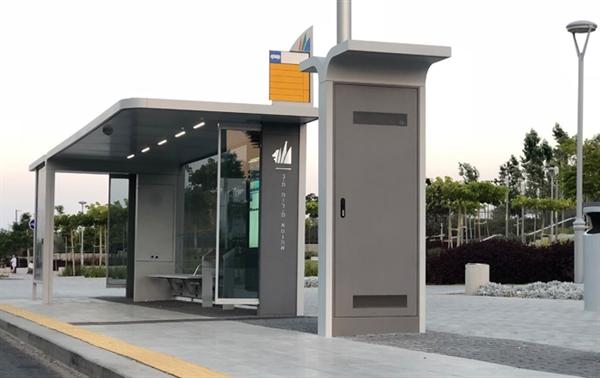
Gone are the days of squinting at paper timetables or guessing when the next bus might arrive. Today, a quiet revolution driven by real-time data is transforming how millions of people navigate their cities. With every bus now a streaming data point, passengers gain unprecedented visibility into their journeys—checking live locations, predicting arrival times down to the second, and rerouting around delays before they even feel the impact. This isn't just convenience; it's the backbone of a more responsive, stress-free public transit experience.
Behind the scenes, a mesh of GPS trackers, onboard sensors, and powerful analytics engines crunches vast streams of information every moment. The system doesn't just tell you where a bus is—it learns from traffic patterns, historical data, and even weather conditions to constantly refine its predictions. For operators, this means dynamic scheduling that adapts to real-world conditions, reducing bunching and gaps in service. For riders, it translates into fewer frustrating waits at the stop and more trust in the system, encouraging a shift away from private cars.
But the impact goes deeper than punctuality. Real-time data feeds now integrate into multi-modal apps that suggest walking, cycling, or ride-sharing connections tailored to the moment. Public agencies use anonymized ridership patterns to redesign routes based on actual demand, not outdated assumptions. What was once a static, one-size-fits-all service is evolving into a fluid, demand-responsive network that treats every trip as unique. The result is a bus system that finally competes with the flexibility of personal transport—and often wins on cost, sustainability, and sheer ease of use.
Green Tech Meets Public Transit at the Curb
The curb is no longer just a place to hail a cab—it’s becoming a dynamic hub where electric shuttles silently glide in, solar-powered shelters track arrivals in real time, and smart sensors adjust traffic flow based on pedestrian density. Cities are weaving renewable microgrids directly into transit stops, letting buses recharge in minutes while passengers hop off, and app-based platforms now let you book a ride on a shared electric minibus that arrives exactly when you need it, merging the flexibility of ride-hailing with the efficiency of mass transit.
What’s striking is how these systems talk to each other: a bus lane camera might spot a sudden crowd and signal an autonomous pod to detour, while the bench you’re sitting on harvests kinetic energy from footsteps to power a next-vehicle display. It’s a quiet revolution—no grand ribbon-cuttings, just pavement markers glowing blue for electric-only zones, and charging pads hidden beneath the asphalt that top up delivery e-trikes between stops.
This shift isn’t about futuristic wow factor; it’s about making the mundane miraculous. A curb in Lisbon now doubles as a community power bank, storing solar surplus during the day to illuminate the evening commute. In Stockholm, waste heat from nearby data centers warms the waiting area in winter. These small, site-specific tweaks turn a transit point into a responsive piece of urban fabric, proving that the greenest mile might be the one you barely notice because it just works.
How Interactive Displays Are Changing Waiting Time
Waiting rooms have long been synonymous with boredom, marked by stacks of outdated magazines and the collective sound of sighs. But a subtle shift is underway as interactive displays quietly replace those passive spaces with something far more engaging. Instead of staring at a wall, visitors now tap through product catalogs, play light games, or explore local trivia—all while the minutes slip by almost unnoticed. The result? A waiting experience that feels less like a pause and more like a purposeful moment, significantly altering how people perceive the passage of time.
The psychology behind this is simple but powerful: an occupied mind is less likely to fixate on delays. When a screen responds to touch, it transforms a person from a passive observer into an active participant, creating a sense of control even in situations where they have none. For businesses, this shift has tangible benefits—shorter perceived wait times lead to better moods, reduced frustration, and a more positive overall impression of the brand. It's not uncommon to see someone so absorbed in a display that they actually look surprised when their name is called.
Beyond mere distraction, these displays are reinventing the wait as a micro-experience worth having. A clinic might feature a calming interactive garden that patients can “tend,” while a car dealership sets up a digital configurator for dream vehicles. Each interaction is a chance to learn, play, or connect in a way that static signage never could. What used to be dead air is now fertile ground for storytelling and engagement, effectively turning waiting time from a customer pain point into a memorable part of the visit.
The Rise of Connected Infrastructure in Chinese Cities
Across China, urban landscapes are being reshaped by an invisible web of sensors, data streams, and automated systems that quietly coordinate daily life. From intelligent traffic lights that adapt to real-time congestion to water networks that detect leaks before they become crises, this hyper-connected infrastructure is becoming the new norm rather than a futuristic experiment. It’s a shift that blurs the line between physical and digital, where manhole covers report their own status and streetlamps double as environmental monitors.
What makes this transformation distinct is how it scales—not just in megacities like Shanghai or Shenzhen, but in dozens of mid-sized cities that are leapfrogging traditional development stages. Local governments, partnering with tech firms, are embedding connectivity into the very fabric of urban planning, often starting from scratch in newly developed districts. The result is a patchwork of smart districts that collectively form a national blueprint, where data-sharing platforms allow disparate systems—power grids, public transit, emergency services—to converse in a common digital language.
This isn’t merely about efficiency gains; it’s redefining the relationship between citizens and their surroundings. When a neighborhood’s air quality data triggers real-time alerts or a parking app guides drivers directly to open spots, the city feels more responsive, almost alive. Yet beneath the convenience lies a quiet recalibration of public space, where surveillance and service blend into a single, ever-present hum of connectivity that most residents experience as seamless background utility.
From Shelter to Service Hub: The Multifunctional Stop
A bus stop used to be nothing more than a basic shelter, a glass-and-metal afterthought designed to keep a handful of people dry while they waited. It was a purely functional box, often overlooked and rarely inviting. But that narrow definition has quietly evaporated. Today’s transit stops are being reimagined as vibrant, multipurpose spaces that serve far more than just the daily commute. They’ve become miniature town squares where digital screens provide real-time updates alongside local art, where seating is shaped for both quick rests and longer conversations, and where small businesses can pop up with a coffee cart or a fresh produce stall. The roof overhead still shelters, but the experience beneath it has completely changed.
The shift towards service-oriented stops turns them into hyperlocal hubs woven into the fabric of daily life. Imagine charging your phone at a solar-powered station, picking up a library book from a built-in lending box, or finding a clean public restroom—all while waiting for the next bus. Some stops now integrate parcel lockers, bike repair stands, and community notice boards, blending mobility with moments of convenience and connection. This isn’t just about adding features; it’s about recognizing that transit time is valuable, and that a well-designed stop can anchor a neighborhood, reduce car dependency, and encourage spontaneous interactions. The stop becomes a destination in itself, not just a place you pass through.
What makes this evolution stick is a radical focus on the human experience over pure efficiency. Rather than cold, standardized modules, we’re seeing designs that reflect local character—using materials, colors, and landscaping that feel authentic to the place. Flexibility is key: movable furniture, modular components, and spaces that can host a morning yoga group as easily as an evening market. This approach transforms the humble stop from a symbol of neglect into a statement of civic pride, proving that even the smallest piece of infrastructure can strengthen community ties when it’s built with more than just a roof in mind.
FAQ
A smart bus stop is essentially a digitally enhanced shelter that goes far beyond just displaying route numbers. Unlike a conventional stop with static signage, it integrates real-time data, interactive touchscreens, Wi-Fi hotspots, USB charging ports, and environmental sensors. It can tell you exactly when the next bus will arrive, suggest the fastest route to your destination, and even alert you about delays or overcrowding before you board.
They eliminate much of the uncertainty and waiting anxiety that come with public transport. Passengers can see live bus locations on a map, get accurate arrival predictions, and plan their trips more efficiently. Some stops also provide information about nearby shops, services, or cultural spots, making the wait feel productive. Features like mobile phone charging and free internet add practical comfort, turning dead time into useful time.
A mix of IoT sensors, GPS tracking, edge computing, and AI-driven algorithms work together. The stops connect to a central cloud platform that aggregates real-time traffic data, passenger flow analytics, and bus telemetry. Digital displays use e-ink or LED panels for energy efficiency, and some models incorporate solar panels to reduce grid dependence. Voice assistants and QR-code interactions are also common for accessibility and quick info retrieval.
In Shenzhen, many stops feature transparent OLED screens that display route information while remaining see-through for safety. Hangzhou’s smart stops are integrated with the city’s ‘City Brain’ system, using AI to predict passenger flow and dispatch buses dynamically. Shanghai has piloted climate-controlled waiting pods that purify air and adjust temperature, while Guangzhou’s stations include contactless payment terminals and multi-language interfaces to cater to international visitors.
By providing reliable, real-time information, they encourage more people to choose buses over private cars, which reduces traffic congestion and emissions. The stops themselves often use renewable energy sources like solar power, and their efficient LED lighting cuts electricity use. Data collected about passenger numbers helps transit authorities optimize routes and schedules, leading to fewer half-empty buses and lower overall fuel consumption.
The design typically prioritizes accessibility. Ramps, tactile paving, and edge protection are standard, but the smart features add another layer: audio announcements and large-font displays assist those with vision or hearing impairments, while simple touch-screen interfaces with voice commands help those unfamiliar with technology. Real-time crowding information allows wheelchair users to wait for a less packed bus, and emergency call buttons provide an extra sense of security.
Some people worry about digital privacy, since the stops can collect data on passenger behavior. Others point out the high installation and maintenance costs, which could strain public budgets if not carefully planned. There's also the issue of overreliance on technology: a network outage or system glitch can temporarily disable the smart features, leaving travelers with less information than an old-fashioned printed timetable. Efforts are underway to build offline fallback options and strengthen data security.
They are likely to become even more integrated with other modes of urban mobility, such as bike-sharing, ride-hailing, and metro systems, offering seamless journey planning. Expect to see more personalized services, like notifications on your phone when your regular bus is approaching, based on your habits. Environmentally, they may evolve into neighborhood green hubs with vertical gardens and rainwater collection. As 5G coverage expands, augmented reality navigation and real-time translation for foreign visitors could become standard features.
Conclusion
Across Chinese cities, the humble bus stop is undergoing a radical transformation into a connected, intelligent hub that redefines urban commuting. No longer just a place to wait, these smart shelters now integrate real-time arrival boards, interactive touchscreens, and environmental controls that respond to local conditions. Passengers can plan routes, check live bus locations, and even access city services, turning the shelter into a service hub rather than a static fixture. With solar panels powering lighting and digital displays, these stops embody green tech, reducing reliance on the grid and demonstrating how public transit can champion sustainability at the curb.
The infusion of real-time data has ushered in a new era where waiting time transforms into productive or entertaining moments. Interactive displays deliver not only transit updates but also local news, weather, and wayfinding, making them a valued community asset. Behind the scenes, connected infrastructure leverages IoT and 5G to optimize bus scheduling and fleet management, easing congestion and cutting emissions. This shift from isolated stops to multifunctional, data-driven stations marks a pivotal step in China’s broader smart city ambitions, reshaping how millions experience urban transit every day.
Contact Us
Contact Person: Leo
Email: [email protected]
Tel/WhatsApp: +86 18901905138
Website: https://www.zemsogroup.com/