

Commercial Slush Machine Exporter Shares Smart Buying Tips for Frozen Drink Businesses
2026-11-18
Thinking about adding frozen drinks to your menu? Before you sign off on just any equipment, it pays to learn from a commercial slush machine exporter that has seen what really holds up in busy shops. From hidden maintenance costs to capacity mismatches, the wrong choice can quietly eat into your margins. That’s why YOMAN puts practical buying advice ahead of flashy specs, so you can invest with confidence and keep your drink line running smoothly from day one.
The Spec Sheet Trap Most Buyers Walk Into
Most people treat a spec sheet like a report card, assuming the highest numbers automatically indicate the better product. That instinct falls apart quickly once you realize manufacturers measure things in ways that favor their own marketing. A vacuum with 25,000 pascals of suction can feel weaker than one rated at 18,000 because the seal, brush design, and hose diameter change how that force actually reaches the floor.
The same trap shows up in cameras, laptops, and kitchen appliances. A 48-megapixel sensor can produce noisier images than a 24-megapixel one if the pixels are smaller and the lens is mediocre. A laptop with a faster processor on paper can throttle under sustained load, losing to a machine with less impressive specs but better cooling. Numbers are easy to compare, so buyers lean on them without asking what the numbers leave out.
A better habit is to treat specifications as a starting point, not a verdict. Look for the conditions behind the figure, whether it holds up in real use, and what trade-offs were made to reach it. If a product seems too powerful for the price, the manufacturer probably optimized for a single test rather than your actual routine.
Why Your Menu Should Pick the Machine, Not the Brochure
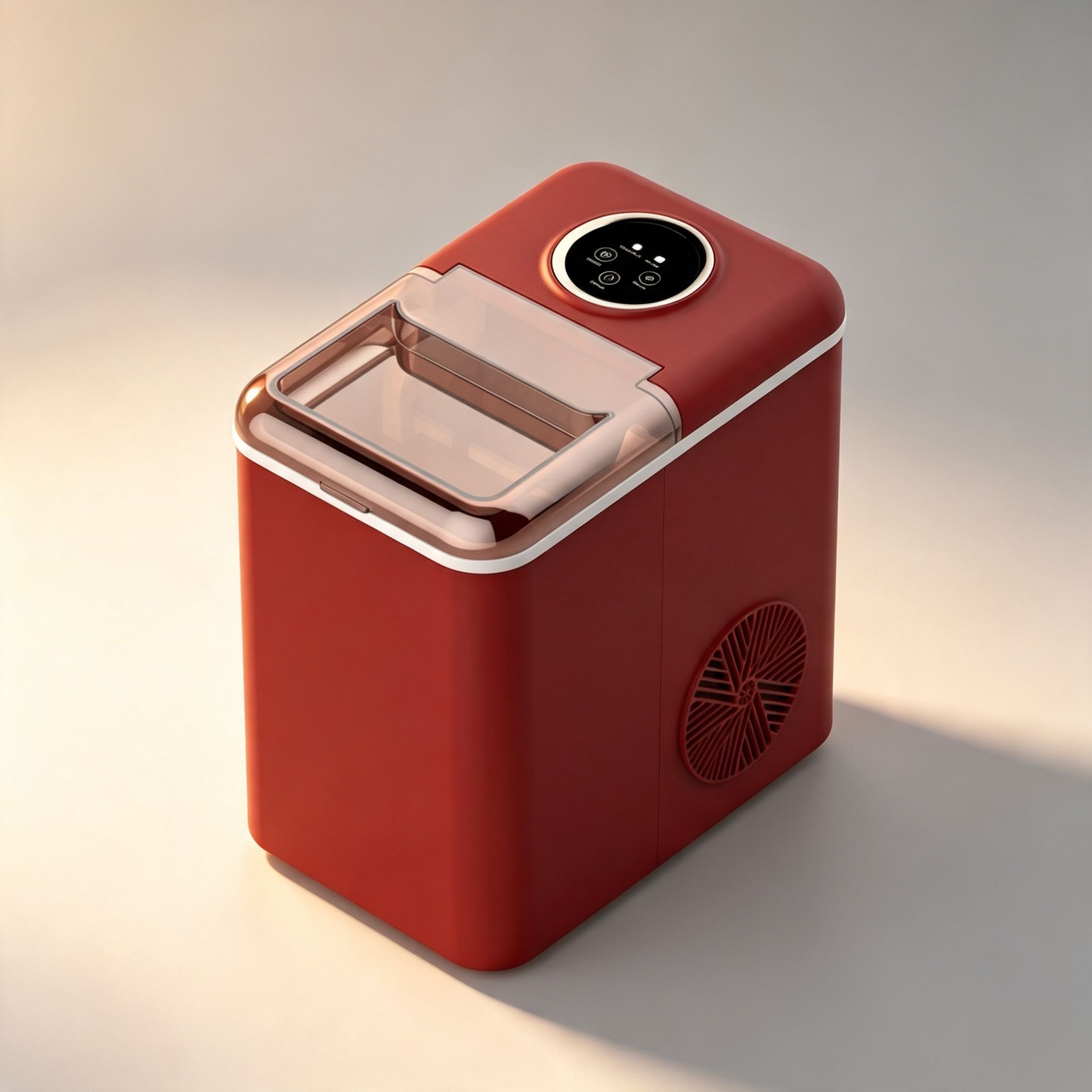
A brochure tells you what a machine can do on its best afternoon, with a technician nearby and all the settings dialed in. Your menu needs the truth about a busy Friday, when the oven has been cycling for hours and the prep table is stacked with tickets. Before a dish earns a place in print, run it through the actual unit. Watch how long the recovery takes, where the heat drifts, and whether the texture survives the third order in a row.
Menus built from marketing claims tend to fall apart under real conditions. The unit in your kitchen doesn't care about the polished photo or the promised speed. It has habits: a hot corner, a slower steam cycle, a defrost setting that wants more time than the chart admits. Let those habits guide your choices. That's how you end up with food that holds on a Saturday rush instead of just during a demo.
The sequence matters less than the honesty. Learn what the machine actually does well, then write the menu around it. If the combi oven turns out crisp roasted vegetables but struggles with delicate fish, don't apologize and don't force it. A consistent menu is really just a translation of your equipment's real temperament, not a wish list lifted from a brochure.
One Question That Reveals a Supplier's Real Support
Ask any supplier about their response time and you will usually hear the same rehearsed numbers. A more revealing approach is to ask how they handled the last shipment that arrived damaged, late, or built to the wrong specification. The answer tells you whether support is a department they staff or a decision they actually make when it costs them money.
Pay attention to the shape of the reply. A supplier with real support will talk about the customer first: what was recovered, what changed in the warehouse, who made the call. A weaker partner will hide behind process, blame the carrier, or insist it rarely happens. That difference becomes your everyday experience once the contract is signed.
One practical version of the question is simply, “Can you walk me through your last significant service failure?” If they go quiet, you have your answer. If they can name the incident without pausing, you have found something harder to fake than a satisfaction score.
Where Hidden Costs Tend to Hide
Hidden costs rarely announce themselves on the first invoice. They tend to settle into the gaps between what was promised and what actually gets delivered. A service might list a base rate, but then charge separately for setup, configuration, or “standard” integrations that most users would assume are included. These add-ons surface quietly, often framed as optional upgrades, even when the core workflow depends on them.
Another common hiding place is the fine print around usage limits. You sign up for what looks like a generous monthly allowance, only to discover that certain actions count double against your quota, or that background processes quietly consume resources while you sleep. Overage fees then arrive as a surprise line item, with little warning and no easy way to trace exactly what triggered them.
Lastly, watch the edges of the contract itself. Renewal terms can shift, support levels can drop without notice, and data export fees only appear when you try to leave. The most meaningful hidden costs are not the ones already listed somewhere deep in a help doc, but the ones created by ambiguity—where the provider holds the interpretation and you hold the bill.
Building a Cleaning Schedule You'll Actually Keep
The fastest way to abandon a cleaning routine is to design it for a version of yourself that does not exist. Start with the week you actually have, not the week you wish you had. If Tuesday nights are swallowed by late meetings, do not assign bathroom scrubbing to Tuesday. Pair the least appealing tasks with moments when your energy is naturally higher, and leave the low-friction jobs for the sluggish parts of the week.
Instead of scattering chores across seven days, anchor them to things you already do. Wipe the kitchen counters while the coffee brews, or vacuum the main floor right after you take out the recycling. These existing actions become triggers, so the schedule feels less like a separate obligation and more like a small extension of your current rhythm.
Finally, build in a rule for off weeks. A plan that collapses the first time you get sick or travel is too brittle to last. Decide in advance what a bare-minimum day looks like: five minutes of tidying, one load of laundry, or simply clearing the sink. Keeping the thread alive matters more than hitting every checkbox, and a schedule you can return to easily will outlast one that demands perfection.
What Long-Term Success Looks Like Before You Buy
Most people picture success as a finish line—revenue targets hit, user counts climbing, features shipping on schedule. But that version of success is usually reverse-engineered from a pitch deck. The real question is quieter: what does this product need to become in two or three years for me to feel glad I chose it today?
That means looking past the demo and asking how the tool behaves when nobody is watching. Does it hold up under messy, real-world data? Will the support team still respond with the same patience when your use case stops being standard? Long-term success tends to show up early in small ways—like documentation that actually answers the third follow-up question, or an update cadence that improves existing workflows instead of just piling on new buttons.
It also means checking whether the vendor’s incentives line up with yours. A product that succeeds long-term usually has a clear reason to keep you around without locking you in. Watch for signs that the team treats retention as a product problem, not a contract problem. If the path to staying valuable is obvious before you sign, that’s a better predictor than any case study.
FAQ
Start with the compressor and cylinder design, not the touchscreen. A dependable compressor paired with a simple control panel will generally outlast a machine that looks fancy but has a weak cooling system. Ask about the compressor brand and whether the evaporator cylinder can be reached easily for daily cleaning.
Capacity matters most during short rush windows. If you only sell a few flavors steadily, smaller bowls keep waste down. If weekends bring long lines, look for larger bowls on your best-selling flavors so the machine isn't constantly trying to recover while you serve.
They are worth it if you want to offer two distinct flavors without buying two separate units. The trade-off is that each bowl is usually smaller. For a small space, a dual-bowl machine can double variety while still fitting one footprint, but make sure the bowls are big enough for your peak hour.
Ask whether the condenser is air-cooled or water-cooled and what ambient temperature range the machine can handle. In a hot kitchen or food truck, an underpowered air-cooled unit may struggle. Also ask how long the machine takes to recover after a heavy pour, because that tells you more than the listed output per hour.
Request a written list of what is included: spare gaskets, dispenser handles, o-rings, and drive belts if applicable. A lower quote may quietly exclude these items. Replacing small wear parts adds up fast, so a supplier that includes a first-year spares kit often saves you more than a small discount elsewhere.
Ask which parts are considered wear items, how quickly they can ship replacements, and whether common parts are available from local distributors. Also confirm whether using third-party parts would affect the warranty. You want a clear answer on lead times, not just a promise that parts are available.
Yes, and it is often overlooked. Confirm the voltage, frequency, and plug type for your location before ordering. Some machines can be converted, but that may add cost and delay installation. If the exporter cannot confirm compatibility in writing, treat that as a warning sign.
Clean the bowl, dispenser, and seals daily, and do a deeper cleaning of the condenser fins weekly if the unit is air-cooled. Train staff to avoid running the machine dry or overfilling the mix. Most breakdowns come from skipped cleaning or ignored small leaks, so a short daily checklist prevents many expensive service calls.
Conclusion
Many frozen drink operators start by comparing horsepower, tank capacity, and freeze times, but those numbers rarely predict what happens during a rush. A better approach is to let your actual menu guide the choice: a machine that handles chunky fruit mixes or dairy bases may differ sharply from one designed for simple sugar syrups. Before committing, ask the exporter one direct question—what support looks like when a compressor fails on a busy weekend afternoon. If their answer focuses only on warranty paperwork rather than response time and local troubleshooting, keep looking. Hidden expenses also tend to cluster around voltage compatibility, spare parts availability, gaskets, and cleaning supplies, so a low unit price can quietly turn into an expensive import.
Cleaning routines should be built around what a real staff can sustain, not what a manual suggests. Daily rinsing, weekly seal checks, and monthly deep cleaning can prevent flavor carryover and extend the machine's working life without overloading employees. Long before purchasing, inspect the intended counter space, drainage, and power outlet locations, because cramped setups make even the best machine frustrating to operate. Also check whether the exporter can provide replacement parts quickly instead of only selling complete units. Owners who plan for maintenance, realistic menu demands, and service access before buying tend to avoid the most common regrets and run a more dependable frozen drink operation.
Contact Us
Contact Person: Mr. Sun
Email: [email protected]
Tel/WhatsApp: 8618867635088
Website: https://www.nbyoman.com/