

Construction Air Compressor Manufacturer: Essential Selection Guide for Heavy-Duty Projects
2026-07-15
When heavy-duty construction projects demand unwavering performance, the air compressor you choose can make or break your timeline. Not all manufacturers are built the same—especially when grit meets the grind. Enter Seize Air, a name that’s redefining durability and efficiency on job sites. But what truly separates a reliable construction air compressor manufacturer from the rest? This selection guide unpacks the must-know factors before you invest.
Matching Air Compressor Capacity to Project Scale
Sizing a compressor isn’t about grabbing the biggest unit on the lot—it’s about syncing output with real-world demand. Projects with intermittent tool use, like a renovation crew running a single impact wrench, often thrive with a modest 10-20 CFM machine that cycles on and off without wasting power. On the flip side, continuous-duty setups—think sandblasting or running multiple grinders simultaneously—demand a steady 50+ CFM to avoid pressure dips that stall work. The sweet spot lies in tallying up the requirements of every pneumatic device that might run concurrently, then adding a 20-30% buffer for leaks and future expansion, not just matching the spec sheet.
Scale isn’t just about raw output; it’s tied to the rhythm of the job site. A compact residential job might only need a portable 2-hp unit that plugs into a standard outlet, while a highway crew operating a jackleg drill could push past 100 CFM and require a towable diesel rig. Overshooting capacity invites unnecessary fuel costs and wear from short cycling, whereas undershooting leaves workers waiting for tanks to refill. Seasoned contractors learn to read the project’s pulse—how many hoses, how long the bursts, what altitude they’re at—because elevation and hose length silently chip away at effective delivery.
Ultimately, the best match comes from testing assumptions under load, not relying solely on factory ratings. A compressor rated for 90 PSI at the nozzle might perform differently when fed through 150 feet of hose with quick-connect fittings. Getting it right means observing startup surges, pressure recovery times, and how the machine handles overlapping demands. It’s this detailed attention that prevents bottlenecks and keeps productivity humming, turning a well-chosen compressor into an invisible partner rather than a daily obstacle.
Evaluating Manufacturer Reliability in Extreme Conditions
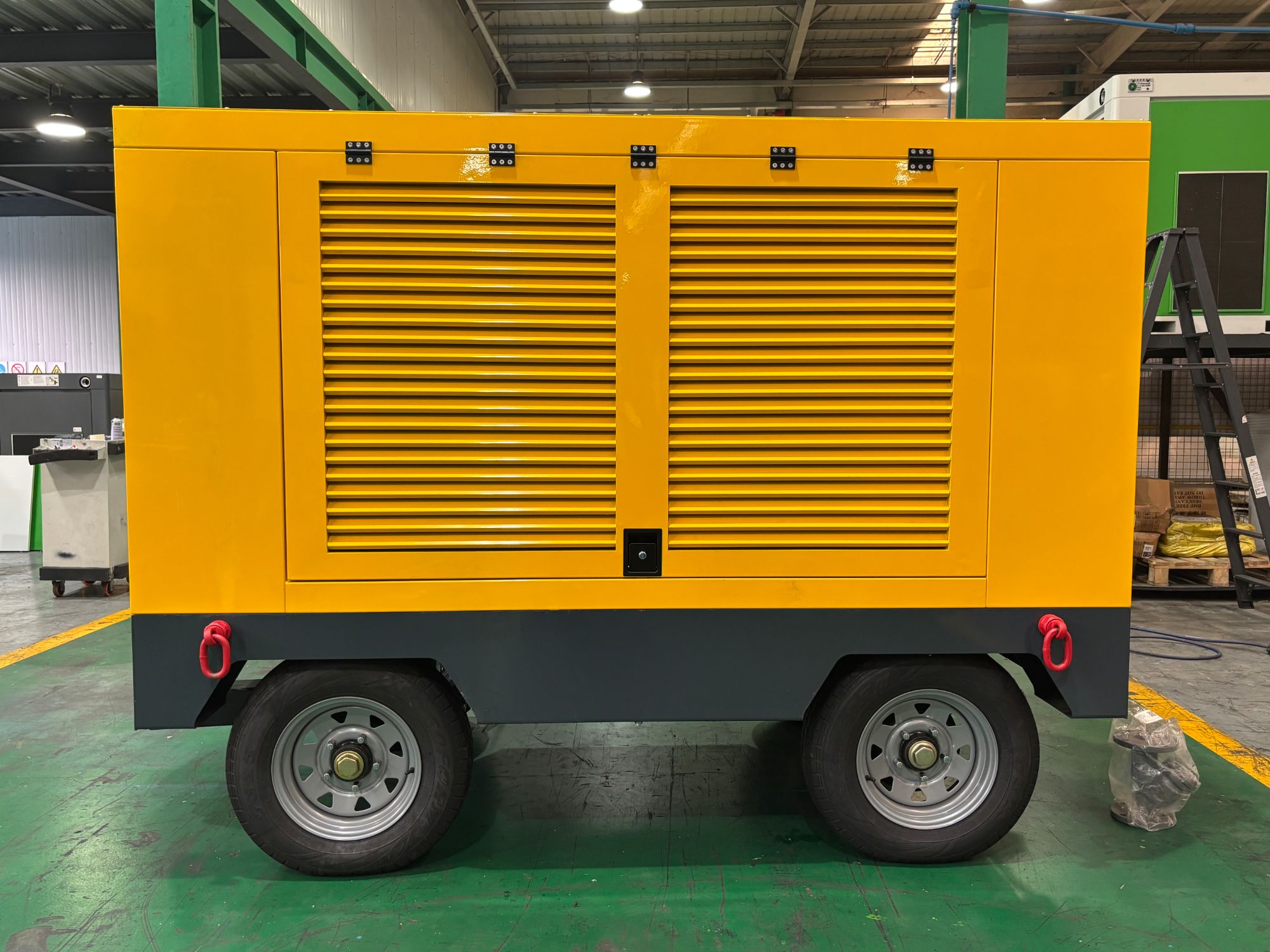
When assessing a manufacturer’s dependability under harsh environments, look beyond glossy brochures and warranty periods. True reliability is often revealed through the quiet details: how they source raw materials from conflict-free or extreme-climate suppliers, their track record for on-site support in remote locations, and whether their quality assurance processes account for temperature swings, humidity, or corrosive elements. A manufacturer that openly discusses past failures and the lessons learned tends to inspire more confidence than one that claims a flawless record.
Real-world testing protocols separate resilient suppliers from the rest. Ask for case studies that go beyond controlled lab conditions—those involving unmonitored installations, prolonged exposure to salt spray or desert dust, and unexpected pressure spikes. Pay attention to how they handle component fatigue over time; a supplier that integrates real-time telemetry data into its design iterations shows a commitment to evolving with the field rather than coasting on old certifications.
Finally, gauge their communication during stress tests of your own. When you request technical clarifications or simulate a supply chain disruption, observe the speed and depth of their response. A reliable partner in extreme conditions will have contingency plans that are not merely theoretical—they’ll have pre-positioned inventory, cross-trained local technicians, and a documented escalation path that doesn’t depend on a single regional contact. These operational markers often matter more than machine specs on paper.
The Fuel Type Dilemma: Diesel vs. Electric for Remote Sites
Running a remote operations hub often means wrestling with the reality that every liter of fuel or kilowatt-hour of electricity carries hidden logistical weight. Diesel has been the old reliable—it packs a serious energy punch and you can store it on site without much degradation. But in truly isolated spots, that drum of diesel doesn’t just appear; it’s flown in, barged across choppy water, or trucked over roads that turn to mud half the year. That supply chain frailty can hit when you least expect it, and suddenly a two-week delay turns into a scramble to keep critical systems alive.
Electric systems, on the other hand, change the game by letting you harvest energy right where you use it. Pair solar panels with a sturdy battery bank and a backup generator, and you’ve cut your umbilical cord to the outside world. The catch? That initial setup isn’t cheap, and batteries don’t like extreme cold or heat any more than we do. In the depths of a polar winter or a desert summer, capacity can plummet, and you’re left hoping your oversizing math was right. Maintenance shifts from mechanical greasiness to software and cell monitoring—skills your crew might not have in their back pockets.
Then there’s the angle nobody likes to talk about: what happens when things go wrong. A diesel genset that throws a rod might be repaired with parts and a wrench if you’ve got a savvy mechanic. A battery array that decides to fail spectacularly? That’s a specialist, a hazmat clean-up, and probably a long insurance call. Yet the quiet, emission-free hum of an electric setup can be worth its weight in gold for research stations measuring sensitive atmospheric data. In the end, the choice often pivots less on fuel prices and more on the specific flavor of isolation you’re dealing with—and how much control you really have over your lifelines.
Noise and Emissions Regulations on Urban Job Sites
Managing sound and air quality on construction projects in populated areas has become a frontline concern for project managers. Many cities now enforce strict decibel limits during daytime operations and often ban heavy machinery use during late evening or early morning hours. Site planners are turning to electric excavators and hybrid generators not just to avoid fines, but because residents and businesses nearby are quick to file complaints. Real-time noise monitors placed around the perimeter can automatically alert crews when levels approach the legal threshold, allowing immediate adjustments before a violation occurs.
Exhaust emissions from diesel engines remain a key target of urban regulations. Tier 4 Final engines and diesel particulate filters are commonly mandated, but some jurisdictions go further by capping total site emissions or requiring low-emission vehicle zones. More contractors are experimenting with battery-powered compact equipment and biofuels to shrink their carbon footprint while navigating complex permitting processes. On larger projects, a dedicated environmental coordinator often tracks daily emissions data to ensure compliance and identify equipment that may need maintenance or replacement before it causes a breach.
Beyond hardware swaps, compliance demands cultural shifts on the ground. Training programs that emphasize idling reduction, proper equipment maintenance, and respectful operation near sensitive receptors like schools and hospitals can significantly reduce friction. Some sites now include community liaison roles where a team member actively communicates with neighbors about upcoming noisy activities, offering advance notice and a direct line for grievances. This proactive approach often transforms regulatory headaches into smoother operations and better public relations, proving that thoughtful planning around noise and emissions is just good business.
Total Cost of Ownership Beyond the Purchase Price
When you’re comparing equipment options, the sticker price can be misleading. While it’s tempting to focus on the upfront cost, the expenses that pile up over the asset’s lifetime often dwarf that initial figure. From energy consumption and routine maintenance to unexpected repairs and downtime, these hidden outlays shape the real financial impact. Seeing the full picture means looking past the purchase order and into the day-to-day reality of ownership.
Operational costs like electricity, water, or specialized consumables can vary dramatically between models that seem almost identical on paper. A cheaper unit might require more frequent servicing or costly replacement parts, quickly erasing any upfront savings. Then there’s the human factor—staff training, lost productivity during outages, and the administrative burden of managing warranties or service contracts. These subtle drains on time and budget rarely show up in a brochure but can define whether an investment pays off or becomes a regret.
Considering resale value and disposal at the end of the asset’s useful life adds yet another layer. Some products retain their worth better, while others become expensive headaches to retire, especially if they involve hazardous materials or complex recycling. By calculating total cost of ownership from day one through decommissioning, organizations can avoid surprises and make choices aligned with long-term goals, not just short-term savings.
Innovations Shaping the Next Generation of Jobsite Compressors
The shift toward fully electric and hybrid compressor designs is redefining what’s possible on construction sites. Battery-powered units now deliver runtimes that rival their diesel counterparts while slashing emissions and noise—a critical advantage in urban zones with strict environmental curfews. These machines integrate regenerative systems that capture energy during unloading cycles, feeding it back into the battery, which stretches operational hours without a recharge. Onboard telematics go beyond basic tracking; they analyze usage patterns and automatically shift the compressor into an eco mode during low-demand periods, trimming fuel or battery consumption without operator input.
Smart connectivity has moved from a novelty to a core expectation. Modern compressors constantly stream pressure, temperature, and engine diagnostics to cloud-based platforms, allowing fleet managers to tweak performance parameters from miles away. Some models now feature machine-learning algorithms that predict component wear—like valve fatigue or seal degradation—weeks before a breakdown would occur, turning reactive repairs into scheduled pit stops. More quietly, adaptive noise-cancellation technology is emerging, where external microphones and speakers emit inverted sound waves to neutralize the compressor’s hum at certain frequencies, making them almost neighbor-friendly.
FAQ
For heavy-duty use, focus on the compressor's duty cycle, CFM output at required PSI, and build quality. You need a unit that can run continuously without overheating, so look for industrial-grade components and proven reliability in harsh conditions.
Extreme temperatures, dust, and moisture are common challenges. Choose a compressor with robust filtration, effective cooling systems, and weather-resistant enclosures. High-ambient temperature ratings and cold-weather starting aids can prevent downtime.
Upfront savings often lead to higher long-term expenses due to frequent repairs, shorter lifespan, and lower efficiency. Inferior compressors may also cause project delays and increase energy consumption, negating any initial discount.
Heavy-duty projects can't afford extended downtime. A manufacturer with responsive technical support, readily available spare parts, and service networks near your job sites ensures you stay operational. Check warranties and service agreements carefully.
Calculate the total CFM requirements of all tools running simultaneously, then add a 30% buffer for efficiency loss and future needs. Don't rely only on the compressor's maximum rating; check the actual delivered CFM at the required pressure under continuous load.
Variable speed drives, remote monitoring, and integrated energy recovery systems can significantly cut fuel or electricity costs. Also consider electric-powered options for emission-restricted zones and units with quieter operation to meet site noise regulations.
Assess the terrain and how often the compressor needs to be moved. Options range from skid-mounted units for stationary use to towable trailers with rugged suspension for rough jobsites. Lifting points and compact designs matter when crane access is limited.
Consistent air filter cleaning, timely oil changes with the correct grade, and regular inspection of hoses and couplings prevent most failures. Keep a daily log and train operators to spot early signs like unusual vibrations or pressure drops.
Conclusion
Selecting the right construction air compressor begins with matching capacity to project scale—undersized units stall productivity, while oversized models waste fuel. For heavy-duty jobs, evaluate how manufacturers engineer their compressors for extreme conditions: reinforced frames, high-temperature tolerance, and dust filtration systems separate reliable machines from frequent breakdowns. Diesel remains the go-to for remote sites lacking grid power, yet electric compressors are gaining traction where emission rules tighten, offering quieter operation and lower on-site carbon footprints.
Urban projects add another layer with strict noise and emissions regulations; modern compressors now integrate sound-dampening enclosures and Tier 4 Final engines to comply without sacrificing output. Looking beyond the purchase price, total cost of ownership calculations should factor in fuel efficiency, maintenance intervals, and resale value—a premium machine often pays for itself over time. Finally, innovations like telematics for real-time performance monitoring, hybrid power systems, and variable-speed drives are reshaping jobsite compressors, delivering smarter energy use and predictive maintenance alerts that minimize downtime in demanding conditions.
Contact Us
Contact Person: Mia
Email: [email protected]
Tel/WhatsApp: +86 19821985894
Website: https://www.seize-air.com