

Custom Load Break Switch Solutions for Reliable Electrical Control
2026-07-31
In the world of electrical control, reliability isn't just a feature—it's a necessity. That's where custom load break switches step in, offering tailored solutions that standard off-the-shelf products simply can't match. Whether you're managing industrial machinery or critical power systems, the right switch ensures safe disconnection under load, minimizing downtime and protecting both equipment and personnel. At Deepwill, we don't just build switches; we engineer confidence into every circuit. Discover how bespoke designs can transform your electrical infrastructure from vulnerable to virtually unstoppable.
Tailored Load Break Switches for Unmatched Electrical Control
Every installation has its own quirks, and off-the-shelf switches rarely fit the bill. That’s where tailored load break switches come into play—they’re engineered around your specific voltage, current, and environmental demands. Instead of forcing your setup to match the switch, the switch bends to your system’s needs, ensuring a seamless integration that stock options simply can’t deliver.
Customization goes beyond ratings. You can specify actuation mechanisms, enclosure types, and auxiliary contacts that align with how your team actually operates. This degree of personalization doesn’t just make installation smoother—it fundamentally changes how reliably you can isolate and protect circuits under real-world conditions.
By choosing a switch that’s built around your operational reality, you sidestep the compromises that lead to nuisance trips or premature wear. The result is electrical control that feels almost intuitive, with every break and make happening exactly as intended, cycle after cycle.
Built to Endure: Reliability in Every Interruption
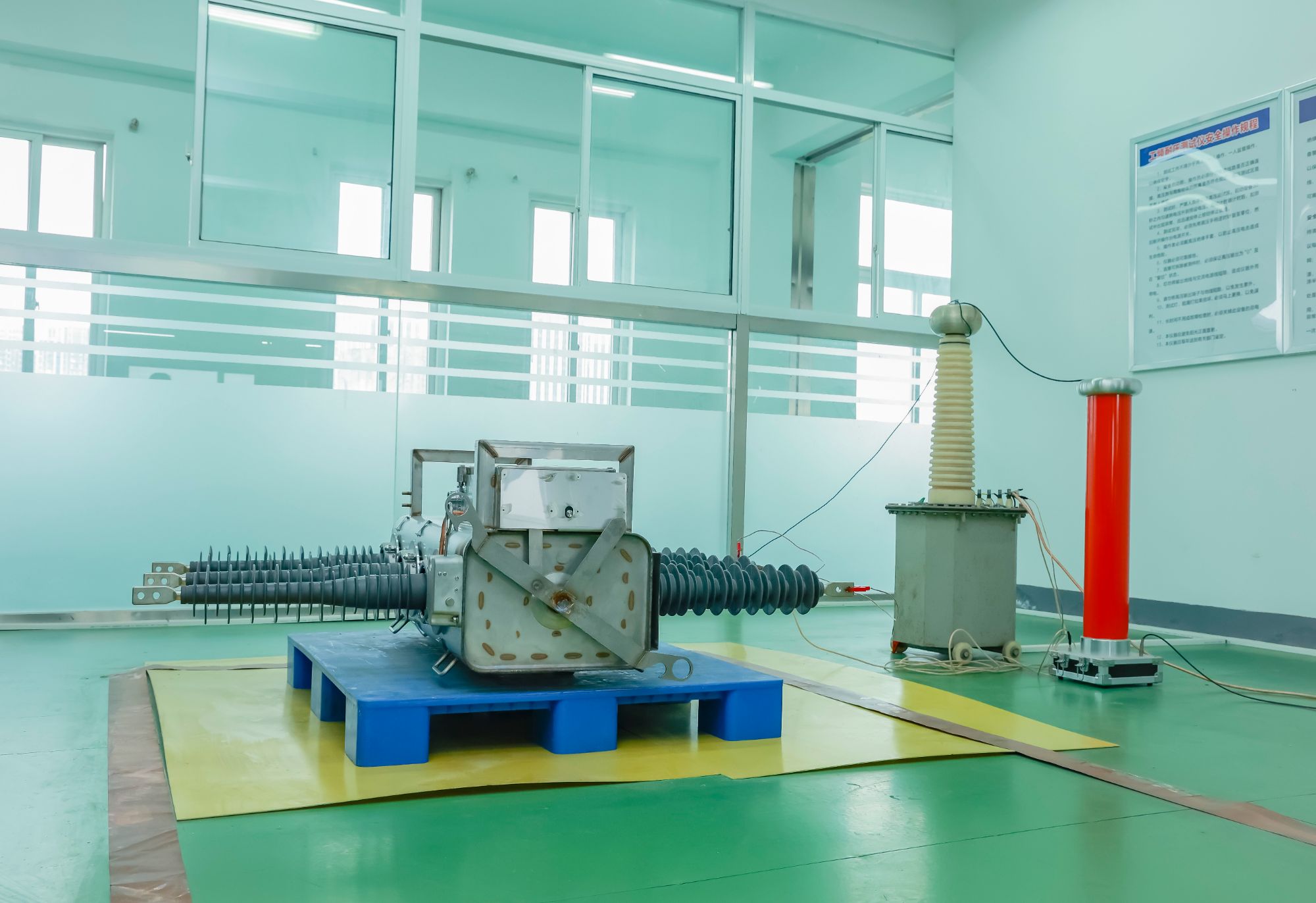
In critical environments where every second counts, systems must not only perform—they must persist. Our hardware is engineered with a fault-tolerant architecture that anticipates failure and reroutes operations seamlessly, ensuring that even during unexpected interruptions, your workflow remains intact. This is achieved through dual-redundant power supplies, hot-swappable components, and predictive monitoring that detects potential issues before they become problems.
The true measure of reliability lies not in avoiding all disruptions, but in how gracefully a system recovers from them. We simulate real-world stress scenarios rigorously, from sudden voltage drops to network partitions, fine-tuning each response mechanism to maintain data integrity and service continuity. Self-healing algorithms work silently in the background, restoring configurations and re-synching connections with zero manual intervention.
What sets this design apart is its transparent resilience. Users experience uninterrupted service, while detailed logs and real-time diagnostics give administrators clear visibility into every recovery action. It’s not just about staying online—it’s about maintaining trust when everything around you is in flux.
Seamless Integration into Complex Power Systems
Bringing a new energy source into an established grid is never a plug-and-play affair. It demands a deep understanding of voltage regulation, frequency control, and fault ride-through capabilities. Our approach treats integration as an adaptive process, not a one-size-fits-all solution. By fine-tuning the inverter dynamics and control algorithms to match local grid codes and transient behaviors, we ensure that the power delivery remains stable and reliable, even when the surrounding network is subject to sudden load swings or topological changes.
The real challenge often lies beneath the surface—in the invisible interplay between protection schemes, grounding philosophies, and harmonic profiles. Rather than overriding these existing layers, we embed our systems to complement them. This means rigorous pre-deployment modeling using digital twins of the target substation, followed by staged commissioning that validates coordination with reclosers, relays, and reactive power compensators. The result is a setup that behaves like a native part of the infrastructure, not an add-on that forces operators to alter established routines.
Long-term performance goes beyond initial synchronization. Grid ecosystems evolve, and with that comes shifting impedance, changing fault levels, and new regulatory thresholds. We build in the flexibility to adapt without requiring physical retrofits—remotely updating control parameters and protection curves as system conditions mature. This continuous tuning turns what could be a brittle interconnection into a resilient, living alignment that keeps the power system robust through expansions, retirements, and the gradual decarbonization of the energy mix.
Safety-First Design for Critical Operations
In environments where failure isn't an option, every component and process is scrutinized through the lens of potential risk. Building for reliability means anticipating the unexpected, not just meeting baseline requirements. We embed safeguards at multiple levels, ensuring that a single point of failure never cascades into a catastrophic event. This approach goes beyond standard checklists—it's about fostering a mindset where safety shapes every decision, from material selection to final deployment.
Real-world critical operations demand designs that protect people and assets without compromising performance. We prioritize redundant systems, fail-safe defaults, and intuitive human-machine interfaces that reduce operator error under pressure. By testing against extreme scenarios and integrating feedback from field operators, our solutions evolve to counter emerging threats. The result is a robust framework where safety becomes an invisible, yet indispensable, part of day-to-day reliability.
Adaptable Solutions for Diverse Industrial Needs
Industrial environments rarely fit into neat, one-size-fits-all packages. That’s why our approach begins with listening—really listening—to the unique challenges your operation faces. Whether you’re managing a high-speed packaging line or monitoring remote oil fields, we craft systems that bend to your reality rather than forcing you into rigid, pre-set molds. From modular hardware that slots into existing infrastructure to software dashboards that highlight the metrics you actually care about, every piece is designed to flex with your day-to-day demands.
Scalability isn’t an afterthought—it’s baked into the core. We’ve seen too many companies invest in solutions that work beautifully at a pilot scale, only to buckle under full production volumes. Our technology grows with you, handling data bursts from suddenly expanded sensor networks or accommodating new regulatory requirements without a complete overhaul. This means you can start where it makes sense, then expand seamlessly, whether adding predictive maintenance on aging machinery or integrating a new product line.
What truly sets this apart is the blend of industry expertise and creative problem-solving. We don’t just drop in AI buzzwords; we bring engineers who’ve crawled through mine sites and stood on factory floors, pairing that grit with fresh perspectives from outside your sector. The result? Solutions that don’t just tick boxes but actively reshape how you think about throughput, safety, and cost. That’s adaptability that goes beyond the brochure—it works in the muck and madness of real industry.
Effortless Maintenance, Sustained Performance
To keep performance seamless over time, our system demands almost no hands-on attention. Built-in self-diagnostics and automated tuning take care of the heavy lifting, so you can forget about routine checks and focus on what matters most. It’s maintenance that barely feels like maintenance—quietly ensuring everything runs at its peak without interrupting your day.
What sets this apart is how proactively it guards against slowdowns. Rather than waiting for issues to surface, the platform continuously optimizes resource allocation and clears bottlenecks in the background. This means sustained speed and reliability become the default, not something you have to chase with constant tweaks or updates.
Long-term value comes from this hands-off durability. The tools and materials are engineered to resist wear in demanding environments, drastically cutting the need for part replacements or emergency fixes. You’ll notice the difference in both lower operating costs and a product that simply stays capable, year after year, without the usual degradation cycles.
FAQ
A load break switch is a device used to make or break electrical circuits under normal load conditions. It’s designed to safely interrupt current flow without causing excessive arcing or damage, making it essential for routine switching operations and equipment isolation in power distribution networks.
Off-the-shelf switches might not fit specific voltage ratings, physical space constraints, or environmental conditions. Custom solutions allow for adjustments in current capacity, enclosure type, mounting style, and control mechanisms, ensuring the switch integrates perfectly with existing infrastructure and operational demands.
By tailoring components like contacts, arc extinguishing systems, and dielectric materials to the exact application, custom switches reduce wear, prevent unexpected failures, and extend service life — especially in harsh environments where standard units might degrade quickly.
Industries with unique power distribution needs, such as mining, marine, renewable energy, data centers, and heavy manufacturing, often require specialized switches to handle irregular loads, corrosive atmospheres, or confined spaces.
Focus on breaking capacity, mechanical endurance, insulation level, and auxiliary contact configuration. Also consider remote operation capabilities, safety interlocks, and ease of maintenance to match operational workflow without compromising safety.
Yes, custom designs can match existing busbar arrangements and panel dimensions. Engineers often work from site measurements and electrical specifications to produce a switch that slots into legacy equipment with minimal modifications.
Reputable manufacturers perform type tests such as temperature rise, short-circuit withstand, and mechanical operation cycles, alongside routine production tests, to validate performance under real-world conditions and ensure long-term reliability.
Designers can incorporate features like easily accessible arc chutes, wear indicators, and tool-free inspection points, which cut downtime and simplify routine checks — especially useful in facilities with limited maintenance windows.
Conclusion
Every electrical network demands components that adapt precisely to its operational rhythm—and that’s exactly what tailored load break switches deliver. Unlike standardized options, these custom solutions are engineered from the ground up to match specific voltage levels, interrupting capacities, and installation environments. Whether managing power distribution in a compact substation or isolating sections of a sprawling industrial plant, the design revolves around predictable, repeatable performance that operators can count on. Materials are selected not just for conductivity but for their ability to withstand thermal and mechanical stress over thousands of operations, ensuring each interruption is as crisp as the first. This level of customization means that instead of forcing a system to accommodate a switch, the switch seamlessly becomes an integral part of the system—bolstering control without introducing compromises.
Beyond the initial engineering, reliability is built into every detail of these switches’ lifecycle. From arc-quenching mechanisms that prioritize operator safety to modular constructions that simplify field maintenance, the focus stays on sustained, trouble-free performance. Integration challenges with legacy equipment or unconventional layouts are addressed through flexible mounting arrangements and adaptable control interfaces, making retrofits and expansions straightforward. Instead of treating safety as an afterthought, these switches incorporate visible isolation gaps, secure latching systems, and robust insulation that protect personnel during routine switching and fault conditions alike. And because downtime is costly, the design emphasizes accessible components and diagnostic-friendly features—allowing inspections and servicing to be completed swiftly without specialized tools. In industries as varied as mining, marine, and renewable energy, these adaptable solutions prove that reliable electrical control isn’t about one-size-fits-all, but about crafting the right fit for every unique power challenge.
Contact Us
Contact Person: Julion
Email: [email protected]
Tel/WhatsApp: 8617351370631
Website: https://www.deyunelectric.com