

Die Making Materials Cutting Rule Company: Key Factors for Choosing the Right Partner
2026-09-11
Every die-cutting operation knows the pain of a dull blade halfway through a rush order. The right cutting rule partner isn't just a supplier—it's the difference between smooth production and costly downtime. For manufacturers evaluating die making materials, factors like steel quality, precision grinding, and consistent hardness can't be overlooked. That's where ADEWO comes in, a company that focuses on solving these exact challenges. In this post, we'll break down the key factors to consider when choosing a cutting rule partner, so you can avoid the trial-and-error that eats into your bottom line.
Steel That Springs Back After Every Cut
Most blades go dull in the quiet way: a slow give, a tiny fold at the edge. This steel doesn't. It meets the cut, then snaps back into place—every single time. You can feel it in your hand, that clean resistance followed by a clean release.
Run it through a stack of stems or a length of denim and it keeps its line. There's no sideways drift, no bend you have to correct mid-snip. That spring isn't just about staying sharp. It's about keeping the same angle from first cut to last.
Over months, the difference shows. Cheaper metal starts to lean, asking your wrist to compensate. This one just resets, cut after cut, until opening and closing feels less like effort and more like reflex.
Holding Tolerances When Your Die Board Leaves No Wiggle Room
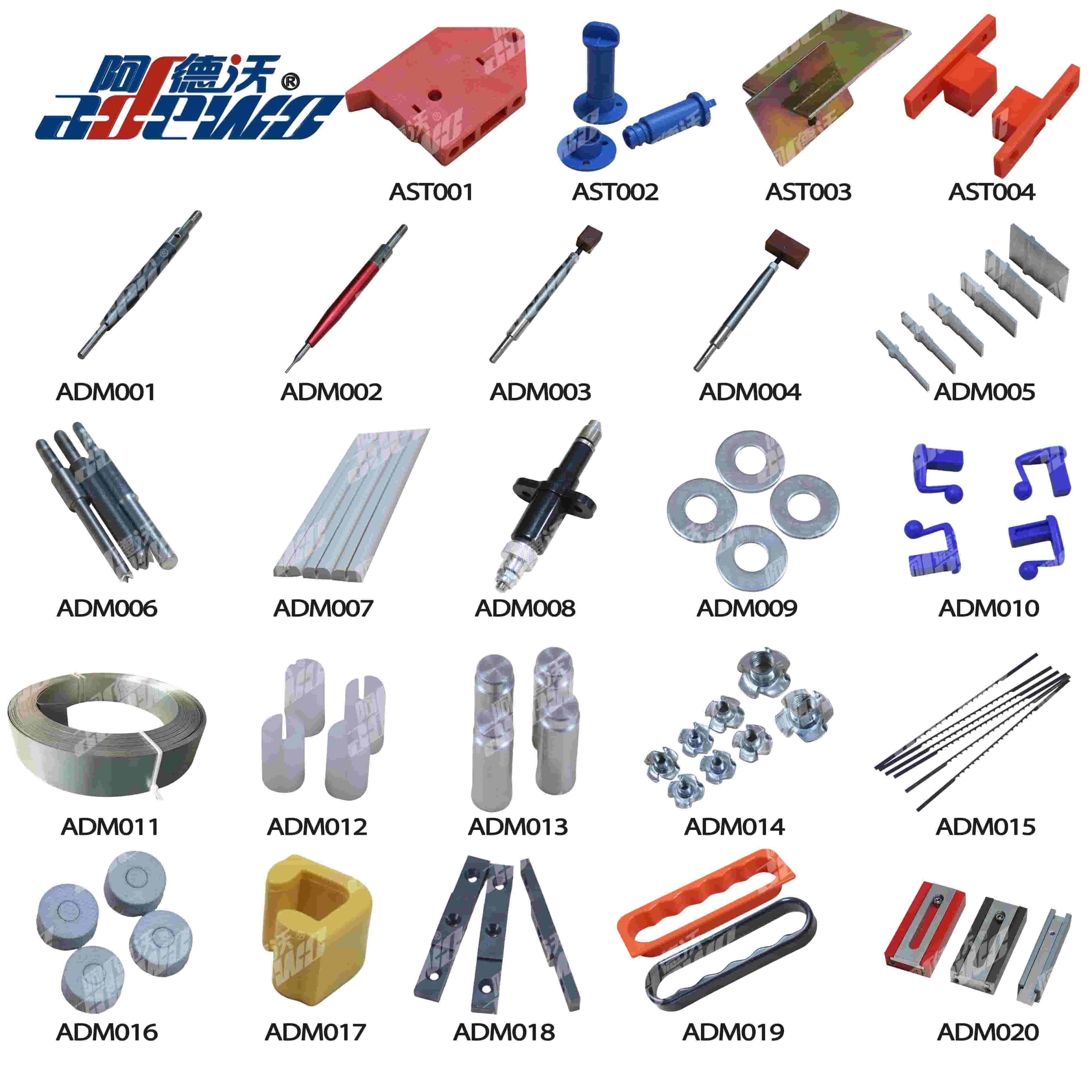
When a die board layout squeezes every rule and cavity into a tight grid, the usual allowances for material flex or blade taper disappear fast. A few thousandths of an inch can be the difference between a clean cut and a stripped edge. Start by measuring the actual kerf of the laser or jigsaw slot in the board, not the nominal tool diameter. Then shim rules only where the cut line runs perpendicular to grain—most drift happens there, and blanket shimming just adds sidewall pressure.
Rule height consistency matters more than absolute height when there is no room to reslot. Sort blades by measured height before bending, and keep a separate set for jobs where the substrate is dense or coated. If a rule sits even 0.002 inch proud of its neighbor, the high spot cuts first and pushes the sheet sideways before the shorter rules engage. That lateral slip is what wrecks tight strip widths and leaves half-cut knockouts.
Ejection rubber has to work harder in cramped layouts. Standard foam near a narrow bridge can rub the cut edge and tear it. Switch to microcell or shaved profiles around any slot under 3 mm, and set the rubber height no more than 0.010 inch above the rule tip. It is tempting to add more rubber to clear the scrap, but in a no-wiggle-room board, extra rubber just creates a second cutting surface that flexes the sheet and snaps fragile connectors.
Custom Bends for Rules That Don't Fit Standard Profiles
Most rule engines ship with a handful of preset curve types: linear, step, exponential, and maybe a smooth spline if you're lucky. But real-world logic rarely respects those boundaries. You might need a rule that stays flat until a threshold, then ramps sharply, then plateaus again—a shape that no standard profile captures without ugly workarounds. That's where custom bends come in. Instead of forcing your logic into prebuilt containers, you define the curve point by point, or through a small function that maps input to output exactly as your domain demands.
The trick is keeping custom bends readable and maintainable. A hand-drawn spline with fifty control points might match your data perfectly today, but it becomes a nightmare to adjust when conditions shift. The better approach is to build from simple primitives—segments, thresholds, and multipliers—and compose them into a single named rule. For instance, a pricing curve could be expressed as a base rate, plus a conditional surcharge between two volume limits, plus a hard cap beyond that. Each piece is understandable on its own, and the whole bend still behaves like one coherent function.
Don't underestimate how much custom bends can simplify the surrounding system. When your rules mirror the actual shape of the problem, edge cases stop requiring special exceptions. Support teams can trace a decision without decoding a dozen nested if-statements hidden inside a standard profile's parameters. And when the underlying business logic changes—say, the threshold moves from 500 to 750 units—you edit one number in one custom bend, not half a configuration file. The upfront effort of defining a custom curve pays off every time someone has to reason about why a rule fired the way it did.
Same-Week Shipping When Your Production Line Can't Wait
When a machine goes down, every hour of lost production hits the bottom line hard. Our same-week shipping option is built for those moments when a standard lead time simply won't work. The moment your order is confirmed, it moves to the front of the queue and leaves our warehouse within days, not weeks.
We keep a deep stock of high-failure parts and popular assemblies ready on the shelf. That means you don't have to gamble on backorders or wait for a supplier who treats your emergency like just another order. If it's in our catalog and marked in stock, it ships the same week. No exceptions, no fine print.
This isn't a premium service with hidden fees. It's just how we handle urgent requests from maintenance teams and plant managers who need to restore uptime fast. The next time your line stops and the clock is running, you'll know exactly where to turn.
A Support Desk That Actually Knows Die Making
When a progressive die starts snapping punches on the third hit after a coil change, most support desks ask you to reboot the PC. Ours asks for the strip width, the pilot engagement, and a photo of the slug marks. That's because the people answering have spent real time at the tryout press, not reading from a decision tree. They know why a draw bead pulls unevenly on high-strength steel, how much clearance a trim punch needs after a material spec change, and when a misaligned die shoe is pretending to be a press problem. You skip the tier-one script and go straight to someone who can read a tooling issue from a single shot of the part.
That practical knowledge changes how fast problems get solved. We've helped shops re-machine a worn heel block without pulling the upper die, recalculate strip lifters for a new coil thickness over a phone call, and trace repeated punch breakage to a heat-treat spec that was never updated for the new material. When the issue is more subtle—springback in a deep channel, galling on a stainless draw, splitting at a corner that simulation didn't flag—we can walk through the actual geometry and strain paths instead of scheduling a field visit for next Tuesday. It's support that feels less like a ticket queue and more like borrowing a veteran toolmaker for twenty minutes.
And we don't pretend every fix can happen over the phone. If the die needs to go to a grinder or a new pressure system has to be installed, we'll say so directly, along with exactly what to measure, what to swap first, and what to leave alone. No escalation theater, no "your call is important to us" filler. Just the kind of straight answer you'd get from a benchmate who has already fixed the same failure twice this month and doesn't want to see it a third time.
The True Price of a Cutting Rule That Fails Mid-Run
Ask any press operator what happens when a cutting rule snaps halfway through a 50,000-sheet job and you'll get the same grim story. The first sign is often a subtle tick in the cut, a faint tearing sound, or a sudden rise in misfeeds. By the time the run stops, scrap bins are already overflowing with half-cut sheets, and the machine sits idle while everyone tries to figure out whether to patch the rule or pull the entire die. Those wasted minutes and materials are only the surface of the cost.
The hidden damage starts before the machine even stops. A dulled or cracked rule forces operators to run slower, adjust pressure on the fly, and tolerate inconsistent creases. Every rejected sheet adds up, but the real pinch comes later: overtime hours to re-run the job, expedited shipping for replacement tooling, and a delivery window that quietly slips past the customer's deadline. If the same rule fails on a repeat order, the customer doesn't see a bad tool — they see an unreliable supplier.
Long after the job ships, the ripple keeps spreading. Operators lose confidence in the tooling, adjust setup habits, and start over-checking every cut. Production schedules get padded because nobody trusts the next die to hold up. A $40 cutting rule that crumbles in the middle of a run can easily erase the margin on an entire month of that client's work. The true price isn't the rule itself — it's the fragile production chain that quietly depends on that thin strip of steel staying sharp.
FAQ
Start by asking about the steel composition and hardness ratings. A trustworthy partner will share details on edge retention, bendability, and resistance to wear without hesitation. You also want to see consistency across batches, not just a single impressive sample. Ask for test reports or, better yet, run a small trial order and measure how the rules hold up in your own die-cutting setup.
The material directly influences how many impressions you get before resharpening, how cleanly the rule cuts through substrates, and whether it can handle tight bends without cracking. Harder steel lasts longer but can be brittle on intricate shapes; softer steel flexes more but dulls faster. The right partner helps you match the alloy to the specific materials you cut, whether that's corrugated board, plastic, or thin metal.
Even small deviations in height, thickness, or edge geometry can cause uneven cutting pressure, premature wear, or damage to the die board. A company that invests in tight tolerances and consistent profiling saves you from constant adjustments on the press. It also means your finished products have cleaner edges and less scrap, which matters when margins are tight.
Look for a supplier that asks about your application before quoting. They should be able to recommend rule types, bevel options, and bending techniques based on what you're cutting. After the sale, you want access to engineers who can troubleshoot problems like rule breakage or uneven wear. A partner that treats your production challenges as their own is worth more than a slightly lower price.
Send them a challenging profile or unusual substrate and see how they respond. Do they ask smart questions or just promise anything? A capable shop will have in-house bending and notching equipment, plus experience with nonstandard heights and specialty coatings. Ask about their minimum order quantities for custom work and whether they can provide prototypes before full production.
Delays in cutting rule delivery can idle entire production lines. You need a partner whose quoted lead times are realistic and who communicates early if a material shortage or capacity issue arises. Ask how they handle rush orders and whether they keep stock of common sizes. Reliability often matters more than speed, because a missed deadline costs far more than waiting an extra day.
Certifications can give you confidence, but they're not a substitute for practical testing. Look for suppliers that follow recognized quality management systems or material traceability standards. More importantly, ask about their internal inspection processes—how they verify hardness, straightness, and edge finish before shipping. A company that can show you its quality control records is usually a safe bet.
Cheap cutting rules often cost more in the long run through frequent replacements, downtime, and rejected products. Instead of comparing only per-meter prices, calculate the cost per thousand cuts or per production hour. A slightly more expensive rule that lasts twice as long and requires fewer adjustments will almost always win. The right partner helps you run that math instead of pushing the lowest quote.
Conclusion
Choosing a cutting rule supplier starts with steel that can handle repeated impact without losing its edge or shape. A rule that springs back after every cut isn't just convenient—it means your die board keeps producing clean blanks hour after hour. The same logic applies to tolerance control: when there's no wiggle room in the die board, the rule's height, thickness, and bend radius have to match the drawing exactly. A supplier worth keeping will ask about your substrate, press speed, and ejection needs before quoting a standard profile. If your job requires custom bends that don't fit off-the-shelf shapes, the right partner should have in-house bending capabilities and a willingness to prototype quickly rather than forcing you to adapt your design.
Speed matters, but only if it doesn't compromise the rule's consistency. Same-week shipping can save a production line from standing idle, yet the real test is whether the supplier's support team understands die making, not just order entry. A knowledgeable desk can troubleshoot a snapping rule, suggest a different bevel, or catch a hardness mismatch before it turns into downtime. The true price of a cutting rule that fails mid-run isn't the replacement cost—it's the lost press hours, damaged die boards, and missed delivery dates. That's why the best choice is a partner who treats your tooling as part of their own production process, not as a commodity. You end up paying for reliability either way; better to pay for it upfront in the steel and service than in emergency reorders and scrapped runs.
Contact Us
Contact Person: KAELYN LEE
Email: [email protected]
Tel/WhatsApp: +86 15012673758
Website: https://www.china-adewo.com