

Electric Wheelchair Company: Your Guide to Reliable Mobility Solutions
2026-09-03
Finding an electric wheelchair you can actually trust shouldn't feel like a gamble. That's why Suncare focuses on the details that matter—durable frames, responsive controls, and batteries that don't quit halfway through your day. This guide walks you through what separates a truly reliable mobility solution from the rest, so you can make a choice with confidence instead of crossing your fingers.
What Real Reliability Means: Choosing an Electric Wheelchair That Lasts
Reliability isn't a spec sheet promise or a flashy ad claim. It's the quiet confidence that your chair will roll smoothly on a rainy Tuesday, three years after you bought it, without the joystick glitching or the motor whining. Too many electric wheelchairs look impressive on day one but start showing their true colors within months—loose armrests, fading battery range, or a frame that creaks on every curb cut. What you really need is a chair that holds up when the warranty has long expired and your daily routine depends on it.
The difference often hides in details nobody talks about. Are the motors sealed against dust and moisture, or do they struggle after a few spills? Does the battery pack use quality cells that maintain capacity over hundreds of charge cycles, or does it drop to half range by the second year? The frame's weld points, the thickness of the seat upholstery, the quality of the caster bearings—these unglamorous components determine whether you'll be repairing the chair every other month or simply replacing the tires once in a while. A truly reliable chair feels boring in the best way: it just works, day after day, without demanding your attention.
Instead of trusting marketing language, pay attention to how long people actually keep their chairs. Read through user forums and community groups, not just the five-star reviews posted right after delivery. Look for patterns: do people mention replacing the same part repeatedly? Are there complaints about frame cracks after two years? A chair that lasts is one that quietly accumulates years of service without accumulating repair bills. That's what real reliability means—not a feature list, but the absence of unpleasant surprises when you're halfway through your day and still have places to go.
Tailored to Your Life: Customization Options That Matter
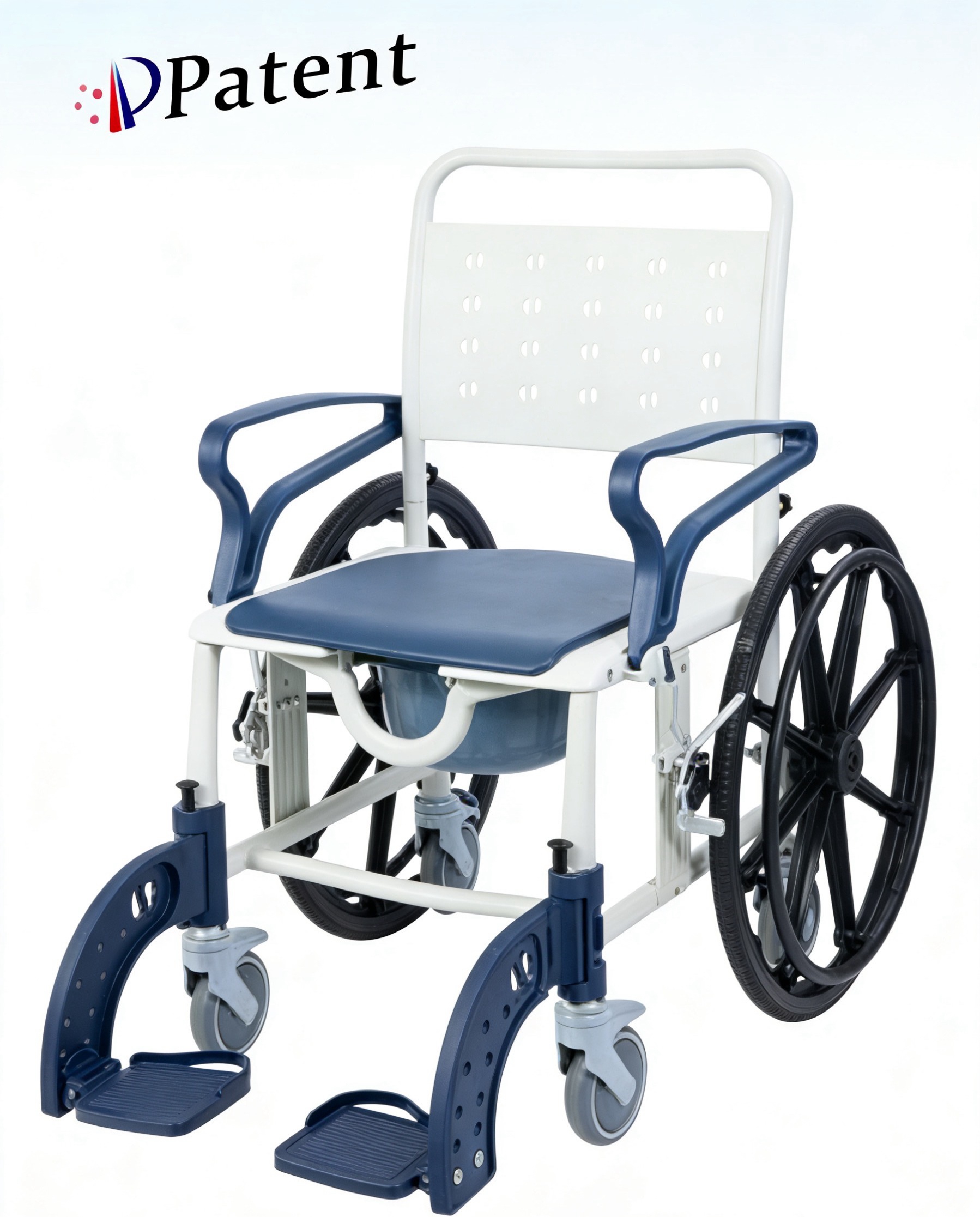
Good customization doesn’t mean drowning you in sliders and checkboxes. It means picking the few adjustments that actually change how the product feels day to day. For some, that’s a compact layout with muted colors and keyboard-first navigation. For others, it’s larger touch targets, high-contrast text, and reminders that surface only at chosen times. The goal is to make the interface disappear so the work, or the play, takes center stage.
The options worth caring about fall into three groups. First, visual comfort: true dark mode, adjustable font size, line spacing, and the ability to reduce motion. Second, functional flow: setting your own default view, reordering menus, creating one-tap shortcuts for repeated tasks. Third, smart filtering: choosing which notifications break through, which feeds get collapsed, and how aggressively the system trims low-priority content. None of these require a manual; each one saves minutes every single day.
These choices matter because no two schedules look alike. A night-shift nurse checking updates at 3 a.m. wants a dim, glanceable summary without bright white flashes. A project manager tracking multiple teams might prefer dense tables and color-coded status chips. Customization that respects those differences isn’t about adding features—it’s about removing friction so the tool bends toward your rhythm, not the other way around.
Smart Mobility Features You'll Actually Use Every Day
Some features sound impressive in a brochure but gather dust after the first week. The ones that stick are the small conveniences—like a wireless charging pad that actually lines up with your phone, or adaptive cruise control that doesn't slam on the brakes when someone merges three car lengths ahead. It's the difference between tech you show off once and tech that quietly reshapes your daily drive.
Voice commands often get dismissed as gimmicky, but once they reliably handle calls, navigation, and climate without shouting, they become muscle memory. Pair that with a digital key on your phone—no more digging for a fob in a crowded bag—and you start to notice which cars were designed by people who actually commute, not just by engineers ticking boxes.
What really matters is predictability. Blind-spot warnings that don't blink for every guardrail, a 360-degree camera that makes tight parking stress-free, and automatic high beams that switch before you blind an oncoming driver. These aren't futuristic promises. They're the kind of everyday proof that smart mobility isn't about the car driving itself—it's about removing friction from the drive you already have.
Safety Essentials: The Details That Keep You Moving Confidently
A lot of confidence on the move comes down to traction that doesn’t quit halfway through a step. Deep, well-spaced lugs or a grippy rubber compound might not look flashy, but they earn their keep on wet pavement, loose gravel, or the odd patch of mud. When your footing stays predictable, you stop second-guessing every stride and can pay attention to what’s ahead instead of what’s underfoot.
Visibility works as a quiet safety net, especially when light fades or weather turns murky. A reflective strip placed low on a shoe or a bright accent on a jacket sleeve catches headlights and streetlamps long before someone has to react. Those small placements matter more than a fully reflective outfit would, because they show motion and position without making you feel like you’re wearing a hazard sign.
The details that keep things secure often hide in plain sight: laces that stay tied, zippers that don’t creep down, buckles that lock without a second tug. When every closure behaves, you move through a crowd or a narrow trail without that nagging need to adjust. Checking seams and hardware before you head out becomes less of a chore and more of a quick, reassuring habit.
Living Freely: Real Stories from Electric Wheelchair Users
Every morning, Maya unfolds her chair, checks the battery light, and rolls out into a city that suddenly feels wider. For years, sidewalks were a gamble and doorways a negotiation. Her electric wheelchair didn't just change how she moved; it changed what she dared to imagine. The first time she took herself to the river path alone, she sat for an hour watching joggers and thinking, I get to be out here too.
Across town, Dan uses his chair for something smaller but no less real: getting his own coffee. The barista knows his order, and the corner table is always free because regulars move when they see him coming. It's a small ritual, but before the chair, someone always had to go with him. Now he holds the cup in one hand and steers with the other, laughing at the foam on his sleeve. Freedom, he says, is getting to be clumsy on your own terms.
These stories don't end at ramps or accessible vans. They end at ordinary moments made possible: a late-night grocery run, a spontaneous detour through the park, a front-row seat at a concert without asking for help. Electric wheelchairs aren't just mobility devices here. They're the quiet engine behind a thousand small acts of independence that most people never think to notice.
Make It Last: Simple Maintenance Habits for Your Wheelchair
A wheelchair isn't just equipment—it's your daily companion, and like any trusted partner, it responds to small acts of care. Start with a weekly wipe-down of the frame using a damp cloth and mild soap. Pay extra attention to the joints where dirt and hair tend to collect; a soft brush or old toothbrush works wonders there. Dry everything thoroughly to prevent rust, especially if you've been caught in the rain or near salt air.
Tires are the unsung heroes of every ride. Check the pressure once a week if you have pneumatic tires—underinflation makes pushing harder and wears the rubber unevenly. For solid tires, inspect for cracks or embedded debris. Don't forget the casters: hair and thread can wrap around the axles, slowing your turns. A quick snip with scissors and a drop of light oil keeps them spinning freely.
Brakes and folding mechanisms deserve a monthly once-over. Squeeze the brake levers to confirm they engage firmly; if they feel loose, a simple cable adjustment or pad replacement is usually all it takes. For folding chairs, open and close the frame several times while listening for squeaks—a tiny dab of silicone lubricant on the pivot points can make the motion smooth again. These habits don't demand much time, but they extend the life of your chair by years.
FAQ
Start with your daily routines. A dependable chair needs a strong motor, a battery that lasts through your typical outings, and a frame that feels solid on the surfaces you travel. Comfort matters too—seating that supports your posture and doesn't cause pressure points after hours of use. You'll also want brakes that respond without delay and a control system that's easy to operate even with limited hand strength.
Outdoor reliability goes beyond having four wheels. Check whether the chair can handle small curbs, gravel paths, or uneven sidewalks without struggling. Solid or puncture-resistant tires, decent ground clearance, and weather-resistant electronics make a big difference. User reviews and real-world test videos often reveal more about outdoor durability than glossy spec sheets.
Battery range depends on weight, terrain, and speed, but a practical chair should manage at least 10 to 15 miles on a full charge. If you plan to be out all day, look for lithium batteries—they charge faster and keep their capacity longer than older lead-acid types. Also ask about spare battery options; having a backup removes a lot of anxiety.
Many modern models fold or break down into lighter pieces for car travel, but how simple it is depends on your physical ability. Some chairs fold in seconds with one hand, while others require removing the seat and battery first. Check the total weight and the heaviest single component before buying. If you travel often, a folding frame that fits in a trunk or back seat is worth the investment.
It's extremely important. A seat that's too firm or poorly contoured can lead to sores, back pain, and fatigue. Look for adjustable seat depth, width, and backrest angle. Breathable fabric helps with temperature control, and a cushion that redistributes pressure is essential for long sitting hours. Some companies let you try different cushions before committing.
Yes, and the better companies offer real options like adjustable armrests, elevating leg rests, tilt-in-space seating, and joystick placement on either side. Customization isn't just cosmetic—it changes how well the chair supports your body over time. Ask about seat height, footplate angle, and control sensitivity adjustments. A good provider will adjust the chair to you, not expect you to adapt to the chair.
Basic upkeep includes keeping tires properly inflated if they're pneumatic, checking brakes and joystick response monthly, and cleaning the frame and wheels to prevent debris buildup. Charge batteries regularly but don't leave them plugged in constantly once full. An annual service check by a technician can catch worn connectors or motor issues before they leave you stranded.
Look beyond the marketing. Ask about warranty length and what it covers—motors, electronics, frame, and battery often have different terms. Find out how the company handles repairs: do they offer loaner chairs? Is there local service support? A company that answers technical questions clearly and doesn't pressure you to buy is usually one that values long-term reliability.
Conclusion
Finding a wheelchair that actually holds up means looking beyond spec sheets. The best models pair reinforced frames with motors that stay consistent after years of daily use—not just on day one. What often gets overlooked is how much customization shapes reliability: adjustable seat depth, backrest angle, and footplate position don't just add comfort, they reduce the strain that leads to premature wear. Add in everyday smart features like intuitive joystick control, USB charging, and app-based diagnostics, and you get a chair that fits both your body and your routine instead of forcing you to adapt to it.
Safety details make the difference between cautious mobility and confident movement. Anti-tip wheels, electromagnetic brakes, and lighting that works in low visibility aren't extras—they're the foundation of independence. Real users consistently point to these elements, along with simple maintenance habits like checking tire pressure, cleaning caster bearings, and keeping battery terminals free of corrosion, as what lets them live freely. A chair that's easy to inspect and service at home stays dependable between professional tune-ups. The right company doesn't just sell you a product; it gives you a clear path from selection through long-term care, so your wheelchair remains a tool for living, not a source of worry.
Contact Us
Contact Person: Frank Chan
Email: [email protected]
Tel/WhatsApp: 0086-13924529088
Website: https://www.suncare-medical.com