

Experience Yushui Village Lijiang: A Complete Travel Guide
2026-07-09
Nestled at the foot of the majestic Jade Dragon Snow Mountain lies Jade Water Village, a hidden gem that whispers tales of ancient Naxi culture and breathtaking natural beauty. Unlike the bustling streets of Lijiang Old Town, this tranquil spot offers a rare glimpse into a slower, more authentic way of life—where crystal-clear streams wind through stone-paved lanes, and every corner holds a story waiting to be told. Ready to step off the beaten path and uncover the soul of Yunnan? Here’s your complete guide to exploring Jade Water Village like a local.
Where the Jade Dragon’s Waters Sing
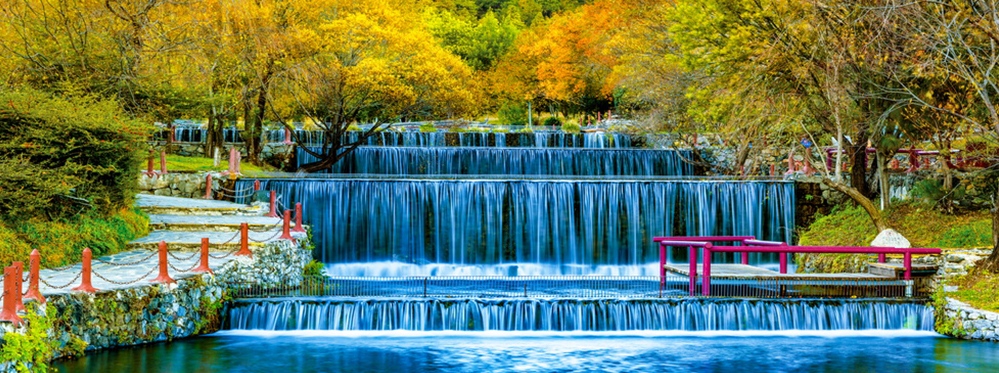
Tucked beneath the towering white peaks of Jade Dragon Snow Mountain, a ribbon of pale turquoise cuts through the valley floor. The water here isn’t just a sight—it’s a sound, a constant murmur that shifts with the terrain. Shallow riffles whisper over pebbles, while deeper pools hum a lower, steady note. It feels less like a river and more like a living melody, one that the mountain itself has been humming for centuries.
Locals will tell you the stream gets its voice from the ice above, melting slowly through limestone and mineral veins, carrying the mountain’s secrets downstream. Every season changes the tune: spring meltwater swells the chorus into a roar, autumn quietens it to a lullaby. Standing knee-deep in the cold, crystalline flow, you can almost catch lyrics in the splashes—stories of old Naxi traders, lost temples, and the dragons that once guarded these waters.
What surprises most visitors isn’t the color, though it’s impossibly vivid, but the way the sound sticks with you. Long after leaving, you carry the river’s song in your head, a gentle reminder that some places don’t just fill your eyes—they leave a note humming in your chest.
Beyond the Cobblestones: A Living Naxi Tapestry
Walk beyond the worn flagstones and you’ll find the city’s true heartbeat – not in the stone, but in the soft shuffle of Naxi elders gathering at dawn, their indigo aprons catching the first light as they trade stories in a tongue that carries the rhythms of the mountains. The old town breathes. Every doorway frames a scene unpolished and real: a grandmother threading sun-dried chilies, a man coaxing melodies from a moon-shaped lute, a child tracing Dongba pictographs in the dust with a stick. These are not performances staged for curious eyes, but the unscripted weave of daily life that has held this community together for centuries.
The tapestry tightens in the back lanes where wooden looms clack and click, and the hands of skilled artisans pull weft through warp in patterns that have no written pattern – only memory and instinct, passed down like a whispered secret. Here textiles are more than fabric; they are storylines. A shawl might carry the jagged lines of highland peaks, or the curling dance of wind through pine. Dongba shamans still etch the scriptures of their faith onto handmade paper, symbols shaped like birds and trees and the stars that guided their ancestors. This is not a culture preserved under glass, but one that adapts, grows, and laughs – as loud and full as the shouts that erupt from the afternoon card games under the old camphor trees.
At dusk, the lanes soften with the glow of lanterns and the echo of bronze bells from the temple roofs. Tourists might chase the same cobblestone routes, but the real journey threads elsewhere – in the tea house where a Naxi musician teaches his granddaughter the ancient suites of Baisha Fine Music, his fingers trembling with age and devotion. In the courtyard where a family heirloom is being repaired, its tarnished silver polished back to life. The city is a living loom, constantly weaving the old into the new, the tangible into the intangible. To walk here is to step not just onto stone paths worn smooth by time, but into a vibrant, breathing tapestry that is still being woven, thread by thread, day by day.
Whispers of the Dongba: Ancient Rituals in Morning Mist
Dawn barely touches the peaks when the first chants drift through the valley, half-lost in fog. The Dongba priest stands motionless beside a stone altar, his breath visible in the chill. What begins as a murmur soon deepens into rhythmic incantation—words shaped by a script older than memory, each syllable carrying the weight of ancestral pacts with mountain spirits and river gods.
He scatters pine needles and barley grains, their paths dissolving into mist like fragments of a forgotten dream. The air thickens with resinous smoke, curling upward as if stitching the visible world to something unseen. There is no audience here but the trees and the wind, yet the ritual feels utterly complete—a private dialogue between a man and the forces that shaped his people's fate. The mist itself seems to hold its breath, listening.
When the last echo fades, the morning mist lifts just enough to reveal the valley below, unchanged yet somehow renewed. The Dongba collects his worn manuscripts and fades back into the forest, leaving behind only the scent of burnt juniper and a silence that hums with quiet significance. In that fleeting moment, the boundary between ancient and present blurs, and you realize the ritual was never performed for you—it was simply allowed to be witnessed.
A Palette of Tranquility: Capturing Light and Shadow
Morning light filters through the leaves, scattering a mosaic of warmth on the path ahead. There is no rush here—just the quiet hum of nature and the gentle shift of shadows as the day slowly unfolds. Each ray seems to carry a story of stillness, inviting you to pause and simply be.
Shadows stretch and recede, painting the world in soft strokes of charcoal and gold. In this interplay, the ordinary becomes remarkable: a bench half-lit, the curve of a branch, the ripple of water catching the last gleam of dusk. Light and shadow do not compete; they collaborate, composing a visual lullaby that quiets the mind.
To capture this tranquility, one must learn to observe the in-between moments—the fleeting glance, the breath held in awe. It is less about technical perfection and more about feeling the scene unfold. The palette is generous yet subtle, offering endless shades of calm for those willing to look closely.
Flavors from the Sacred Springs: A Culinary Pilgrimage
There’s a quiet reverence that settles over the table when food carries the whisper of sacred waters. Dishes born from spring-fed traditions don’t simply arrive—they emerge, steeped in the mineral memory of limestone-filtered pools and the slow patience of mountain snowmelt. In kitchens tucked beside ancient wells, cooks speak of how the water’s particular hardness changes the bite of a noodle, or how its faint sweetness coaxes deeper notes from a broth. This isn’t cooking by recipe alone; it’s a conversation with geology and generations, where the first ingredient is always the same—the cold, clear voice of a place that has been flowing since before anyone thought to name it.
Pilgrims who trace these sources often find themselves in unexpected corners: a monastery garden where monks still irrigate herbs with water drawn before dawn, a hillside shrine where tea is prepared only with the cascade that rushes past the altar. Here, the ritual becomes part of the flavor. Hands cup the spring’s offering, and the chill against the palate is the first course of the meal. Vegetables grown in plots irrigated by these same currents taste different—crisper, more alive—as if they’ve absorbed the journey of the water through rock and root. It’s a cuisine that doesn’t shout. It hums with the echoes of underground passages and the soft splash of a pilgrim’s cupped palms.
To eat this way is to understand that certain flavors can’t be replicated, only revisited. The tang of a fermented bean paste, the gentle chew of a steamed bun, the surprising brightness of a simple pickle—all are anchored by the water that sparked them. Those who travel these sacred routes learn to taste not just the meal, but the miles the spring has traveled, the centuries of veneration, the unbroken chain of hands that have dipped, sipped, and passed the blessing along. It’s a pilgrimage not for salvation, but for saturation: a slow, deliberate steeping in the essence of what it means for a land to offer its most hidden gift as the foundation of every feast.
Footpaths to Serenity: Trails Woven with Legends
There are trails that do more than lead you through a forest or along a ridge; they whisper stories older than the stones beneath your feet. As you walk, the air thickens not with silence, but with the quiet hum of legends passed down through generations. Every bend seems to hold a memory, every ancient tree a witness to tales of love, loss, and wonder. The path itself becomes a narrator, and you, a willing listener, stepping lightly into a world where the mundane meets the mythic.
On these footpaths, serenity is not an absence of noise but a presence of meaning. You might find yourself tracing the footsteps of a heartbroken spirit said to still wander in search of peace, or crossing a stream that local lore claims grants clarity to those who pause and listen. Such stories are not mere embellishments; they shape the very contours of the landscape, turning a simple walk into a quiet conversation with the past. The rustle of leaves, the distant bird call—all seem to echo with the weight of untold narratives, inviting you to become part of their continuation.
Perhaps the most remarkable gift of these legendary trails is the way they blur the line between traveler and tale. By the time you reach the end, you may find you've not only walked a physical distance but also journeyed through a shared imagination. The tranquility you feel is layered, woven from the soft tread of your own steps and the shadowy footfalls of those who walked before you, both real and fabled. And when you leave, the path remains, still whispering, still waiting, its stories now a little richer for having been walked by you.
FAQ
It's a living showcase of Naxi culture where crystal-clear spring water from Jade Dragon Snow Mountain feeds ancient pools, surrounded by traditional wooden houses and vibrant rituals that feel untouched by mass tourism.
The easiest way is to take a 30-minute local bus or hail a taxi. If you're up for it, renting a bike makes for a scenic ride through countryside lanes with mountain views the whole way.
Early mornings on weekdays, especially from April to October, give you misty light and quiet moments. Avoid Chinese holidays if you can, as the village gets packed with day-trippers.
Wander past the main courtyard to find the Dongba paper-making workshop where an old craftsman still uses 1,200-year-old techniques. Also, the small cliffside path behind the temple offers a panoramic view nobody talks about.
While there are no hotels inside, a few family-run guesthouses just outside the entrance offer simple rooms with home-cooked meals. Staying here lets you hear the water channels at dawn before any visitors arrive.
Look for 'baba' bread made fresh on a hot stone, and grilled yak meat skewers sold by villagers near the ponds. If someone offers you homemade yak-butter tea, say yes—it’s surprisingly rich and warming.
Current entry is around 50 RMB, and that covers all the main areas. Extra activities like dressing in Naxi costumes or the Dongba calligraphy session cost a little, but nothing feels overpriced.
Skip the staged ox-cart rides. Instead, crouch low near a reflection pool to frame the temple with the mountain in the water. And stick around after 4 PM when the light turns golden and most tour buses have left.
Conclusion
Yushui Village unfolds as though the Jade Dragon Snow Mountain itself breathed life into every stream and stone. The crystalline waters that sing down from the peaks are not merely a backdrop—they are the pulse of this place, threading through ancient cobbled lanes where Naxi life has unfolded for centuries. Early risers witness the village at its most sacred: tendrils of mist curl around the rooftops as a Dongba priest murmurs chants passed down through generations, his rituals a faint echo of a living cosmology. Wander past weathered doors left ajar and you might glimpse women weaving intricate textiles, their laughter softening the mountain air. For those with a camera, the interplay of light and shadow here feels almost orchestrated—a painterly calm that demands a slow shutter and a slower breath.
Mealtime is a pilgrimage in itself, guided by the pure springs that nourish terraced gardens and kitchen hearths. Dishes like tender yak meat stewed with wild herbs or Naxi baba griddled to a golden crackle carry the clean, mineral taste of the landscape. Afterwards, lace up your boots and follow footpaths that climb into pine-scented quiet. These trails are woven with legends—of star-crossed lovers turned to stone, of hidden pools where dragons once drank. The silence on these ridges is profound, broken only by a distant cowbell or the rush of a waterfall. By day’s end, the village settles into a rhythm so genuine it feels less like a destination and more like a memory you’ve returned to, the kind that hums with water, wisdom, and wild beauty long after you leave.
Contact Us
Contact Person: Changhong He
Email: [email protected]
Tel/WhatsApp: 086-0888-5190152
Website: https://vip.e-baixing.com/ysh