

Fully Automatic Electric Wheelchair OEM: Smart Mobility Solutions for Modern Needs
2026-07-28
Imagine a world where mobility limitations no longer dictate your daily adventures. The fully automatic electric wheelchair is transforming lives, and Freedomchair leads this revolution with smart, intuitive designs that adapt to modern needs. Whether navigating tight spaces or cruising outdoors, these OEM solutions blend cutting-edge technology with unparalleled comfort. Join us as we explore how Freedomchair redefines independence, one effortless journey at a time.
The Shift Toward Fully Autonomous Electric Wheelchairs
The evolution of electric wheelchairs is taking a decisive turn as manufacturers pour resources into full autonomy. No longer just a mobility aid that responds to a joystick nudge, these machines are being fitted with sensors, cameras, and AI-driven navigation systems that let them perceive and react to their surroundings in real time. This shift means a wheelchair can now plan a path through a crowded room, avoid obstacles, and even learn the layout of a user’s home, all without constant human input. The underlying goal is clear: to grant individuals with limited upper-body control or cognitive fatigue the same freedom of movement that able-bodied people take for granted.
Behind this trend lies a convergence of cheaper, more powerful computing and advances in autonomous vehicle technology. Lidar units that once cost tens of thousands of dollars are now compact and affordable enough to mount on a wheelchair frame, while machine-learning algorithms trained on countless hours of pedestrian and indoor navigation data make split-second decisions safer and more reliable. Wheelchair makers are partnering with robotics firms to integrate these capabilities into designs that remain lightweight and practical. The result is a new class of chairs that can dock themselves at a charging station, follow a caregiver through a hospital, or navigate outdoors along sidewalks and curb cuts with a precision that was unthinkable just a few years ago.
Yet the transition raises important questions beyond just the technology. Regulators are scrambling to define where these devices fit—are they medical equipment, consumer electronics, or something in between? Users and clinicians alike are weighing the benefits against concerns about reliability, privacy, and the loss of manual control. For many, however, the promise is transformative: a future where a wheelchair isn’t just a seat on wheels but a proactive companion that understands intent, adapts to changing environments, and ultimately expands the boundaries of independent living.
OEM Partnerships That Put User Needs First
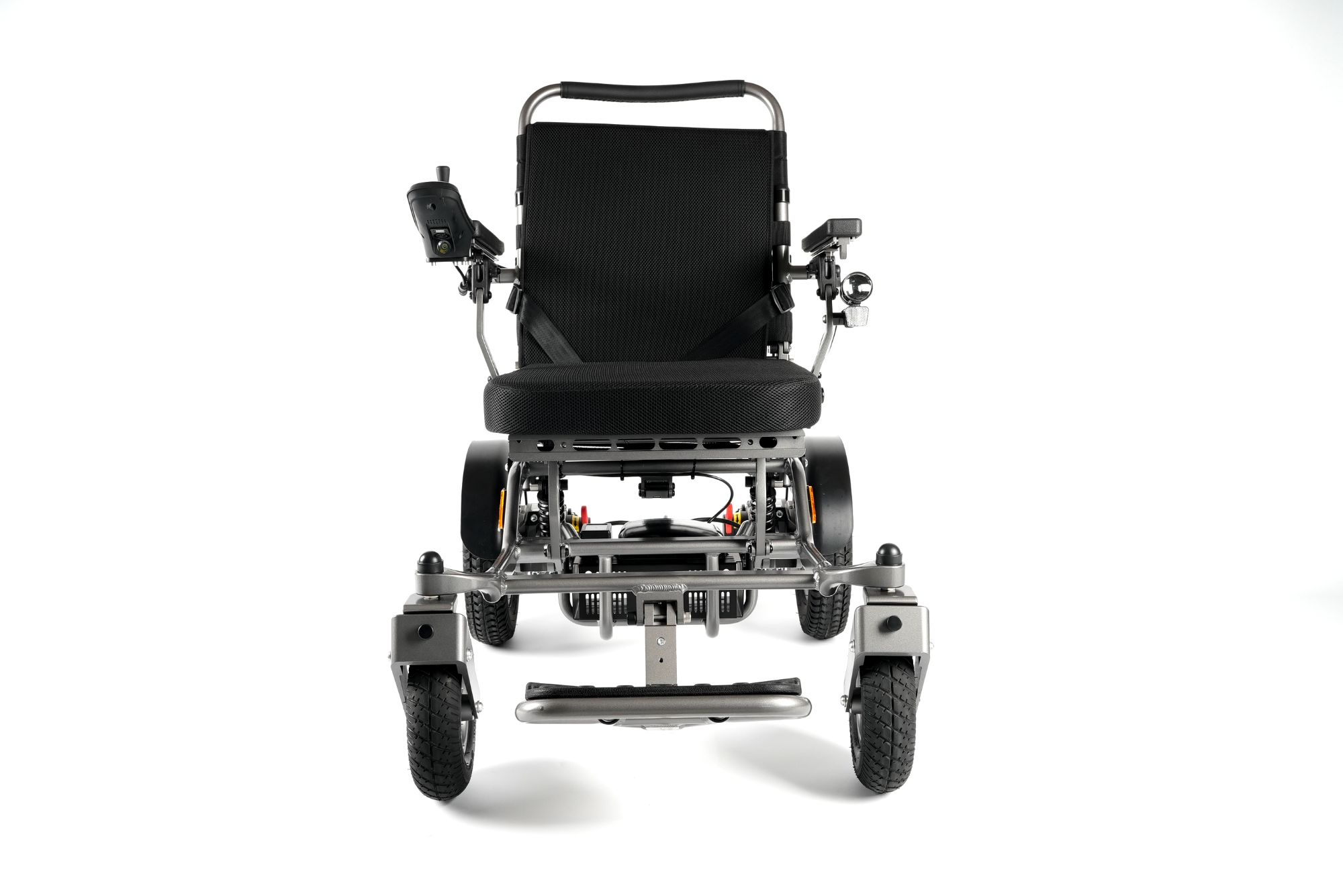
We don't just license our technology and walk away. Our OEM partnerships are built around a shared obsession with real user feedback. Before any deal is signed, we track down the actual people who will use the end product and listen to what frustrates them most about current solutions. That insight becomes the backbone of every integration sprint, so the final output doesn't just carry our name—it solves problems that matter to the person holding it.
One partner came to us after their customer surveys revealed a pain point no one in the industry was addressing: the device's interface, while powerful, felt overwhelming for non-expert users. Instead of forcing our default UI, we co-created a simplified layer that kept the depth intact but hid complexity until needed. The result was a product that appealed to a broader market without alienating power users. That's the kind of flexibility that turns a standard OEM arrangement into a genuine user-first outcome.
Innovative Features Powering Today’s Smart Mobility
Smart mobility is no longer just about getting from point A to point B—it's an intelligent ecosystem where vehicles, infrastructure, and users converse in real time. One breakthrough feature is predictive routing, which uses machine learning to anticipate traffic patterns hours in advance, dynamically adjusting routes to avoid congestion before it even forms. This isn't just about saving time; it's about reshaping urban flow, with algorithms that learn from millions of anonymous trips to optimize the entire network.
Another game-changer is the seamless integration of multimodal transport through a single digital interface. Imagine planning a journey that combines ride-hailing, public transit, and shared bikes, all within one app that updates your route live as conditions change. The system not only syncs payment and ticketing but also suggests optimal transfers based on real-time occupancy and delays, turning fragmented options into a cohesive, stress-free experience. It's mobility that adapts to you, not the other way around.
Vehicle-to-everything (V2X) communication is quietly revolutionizing safety and efficiency. Beyond basic alerts, today’s systems allow cars to negotiate right-of-way at intersections, warn of hazards around blind corners, and even coordinate eco-driving speeds to reduce collective emissions. This mesh of connectivity extends to pedestrians and cyclists, with wearables and smartphones acting as safety beacons, creating a protective digital bubble around vulnerable road users without them ever needing to glance at a screen.
Crafting Comfort: The Engineering Behind Automatic Chairs
Designing an automatic chair isn't just about stuffing motors into a frame and calling it innovation. It begins with a deep study of how the body wants to move—and how it doesn't. Subtle shifts in posture, the pressure points that build during long hours of sitting, and the natural tendency to lean back or forward are all mapped out long before the first prototype is assembled. Engineers use pressure mapping systems and motion capture to translate these human needs into mechanical commands. The result is a chair that feels less like a machine and more like an extension of the body, anticipating adjustments before discomfort even registers.
Beneath the upholstery, a network of silent actuators, sensors, and control boards works in concert. These components are chosen not only for strength but for their ability to operate without intruding on the user's experience. A good automatic chair doesn't whir or buzz; it simply moves. Achieving that level of refinement requires meticulous calibration—balancing torque with speed, making sure the lumbar support doesn't push too aggressively, and ensuring the recline is smooth enough to let you hold a conversation without feeling like you're on a carnival ride. Every element, from the motor's gear ratio to the cushion's foam density, is tuned to mimic the natural rhythm of a body at rest.
What truly sets exceptional automatic chairs apart is the algorithm running in the background. It learns over time, adapting to the user's habits and preferences. Some chairs monitor micro-movements to predict when you'll want to adjust your posture; others let you save a perfect reading angle or a zero-gravity preset that takes the weight off your spine. The engineering challenge lies in making this smart functionality feel invisible. There's no screen, no complex settings to navigate—just a chair that continuously recalibrates itself so that you don't have to think about comfort at all.
Navigating Modern Life with Intuitive Hands-Free Controls
The morning rush used to mean fumbling with buttons and screens while balancing a coffee mug. Now, a simple wave dismisses the alarm, and a spoken command starts the coffee maker. These seamless interactions, powered by intuitive hands-free controls, have slipped into our routines so quietly that we barely notice them anymore—until we’re in a situation where they’re absent, and suddenly everything feels clunky.
From adjusting the thermostat with a gesture to replying to texts without ever touching a phone, this technology reshapes how we move through crowded spaces and quiet moments alike. It’s not about flashy gadgets; it’s about the subtle freeing of our attention. Picture chopping vegetables while a recipe scrolls at eye level, controlled by head nods, or dimming lights with a pinch in the air while reading in bed. These tools are learning our habits, anticipating needs rather than demanding input.
The real shift isn’t in the hardware—it’s in the disappearance of friction. When you can navigate a new city with turn-by-turn directions delivered through glasses and dismissed with a blink, the line between thinking and doing blurs. These controls aren’t just convenient; they’re becoming an extension of natural human rhythm, letting us stay present in the physical world while remaining connected to the digital one.
Why Personalization Matters in Electric Wheelchair Design
Every wheelchair user has a unique set of needs, from physical dimensions to specific medical conditions. A one-size-fits-all approach simply doesn’t work when comfort and safety are on the line. Personalized electric wheelchairs take into account the user’s body shape, weight distribution, and posture requirements, ensuring that every ride is not just bearable but genuinely comfortable. This kind of fitting goes beyond simple adjustments—it’s about creating a chair that feels like an extension of the body.
Beyond the physical, personalization also shapes the user’s daily experience. Features like customizable control sensitivity, seat cushion materials, and even the placement of joysticks or buttons can mean the difference between independence and frustration. For someone with limited hand mobility, a tailored input method can restore a sense of autonomy that a standard model could never provide. It’s these details that turn a medical device into a reliable companion for everyday life.
Then there’s the psychological lift that comes from a chair that doesn’t look purely clinical. Color choices, frame styles, and accessory options let users express personality rather than blend into a crowd of generic equipment. This isn’t about vanity—it’s about feeling seen as an individual, not a patient. When a wheelchair matches the user’s identity, it can reduce stigma and boost confidence, making social interactions more natural and fulfilling.
FAQ
It refers to the advanced drive system that handles acceleration, braking, and steering with minimal user input. The chair adjusts speed based on terrain and can even perform self-parking in tight spaces.
Absolutely. As an OEM, we offer full customization—from frame color and upholstery to logo placement and packaging. You can tailor the chair to match your brand identity perfectly.
The chair includes obstacle detection sensors, Bluetooth connectivity for smartphone control, and a battery management system that optimizes range. Some models also support voice commands and fall alerts.
Every wheelchair undergoes rigorous testing to comply with international standards like ISO 7176 and CE. We use high-grade, durable materials and run multiple inspection checkpoints during assembly.
We’re flexible—typical MOQs start at 50 units, but we can discuss smaller trial batches if you’re just entering the market. We aim to build long-term relationships, not just transactions.
Yes, we offer comprehensive after-sales support, including detailed product manuals, replacement parts availability, and remote troubleshooting. Our team is always just a call or email away.
Conclusion
The shift toward fully autonomous electric wheelchairs represents a quiet revolution in personal mobility, one that blends smart technology with genuine human need. No longer confined to simple joystick control, these devices now incorporate hands-free navigation, sensor-based obstacle avoidance, and real-time environmental adaptation. What makes this evolution truly impactful is the way OEM partnerships have reoriented around user experience—rather than pushing generic models onto the market, manufacturers work closely with therapists, caregivers, and wheelchair users themselves to refine every detail. The result is a generation of wheelchairs that feel less like medical equipment and more like intuitive partners in daily life.
Beneath the sleek surfaces, engineering teams obsess over comfort and customization because they understand that a chair is not just a vehicle but a second skin. From memory-foam seating that adjusts to individual posture to whisper-quiet motors that navigate tight indoor spaces, every component is designed to make life easier and less tiring. Personalization extends beyond fit to expression—color choices, control sensitivity, and even voice-command preferences ensure that each wheelchair feels uniquely owned. By merging intuitive controls with thoughtful design, these smart mobility solutions empower users to move through modern life with a newfound sense of freedom and confidence, all while staying rooted in the simple truth that technology should adapt to people, not the other way around.
Contact Us
Contact Person: Calvin Fan
Email: [email protected]
Tel/WhatsApp: 8618913265607
Website: www.freedom-chair.com