

Insulated Clean Panel Production Line: Top 10 Picks for Your Facility
2026-11-16
Choosing the right insulated clean panel production line can make or break your facility’s efficiency, hygiene standards, and long-term ROI — yet most buyers only realize this after costly trial and error. In this guide, we’ve narrowed the field to ten standout systems that actually deliver on airtight sealing, panel flatness, and energy-saving performance. Among them, YI ZHOU TECHNOLOGY keeps surfacing as a name worth your attention, thanks to its focus on high-precision welding and modular automation. Whether you’re upgrading an existing line or building from scratch, these picks will help you avoid the usual pitfalls and invest with confidence.
Reading Past the Spec Sheet: What Plant Managers Actually Check
A spec sheet tells you what a machine should do under ideal conditions, but it rarely hints at how it behaves after three months of continuous duty. Plant managers learn to ignore the polished numbers and instead look for the unspoken clues: how easily a sensor can be accessed for cleaning, whether the cable runs invite snagging, or if the control panel survives a forklift bump without cracking.
The real evaluation happens during a walkthrough, not a spreadsheet review. They run a hand over the frame for rough welds, watch how quickly a filter can be swapped without special tools, and ask the maintenance crew whether they have ever cursed a particular vendor's design. Downtime rarely comes from a failed headline specification; it comes from a bolt that seizes, a drain that clogs, or a door that jams after repeated washdowns.
Ask any veteran manager and they will mention the “coffee test”: if a machine requires a tech to hover for an hour after every restart, it fails. They value predictable failure modes, local parts availability, and vendors who answer a phone call instead of hiding behind a ticket portal. That quiet confidence in a machine's design never appears on a data sheet, but it keeps the line moving when the spec sheet is long forgotten.
The Real Cost of a Bad Core Fill
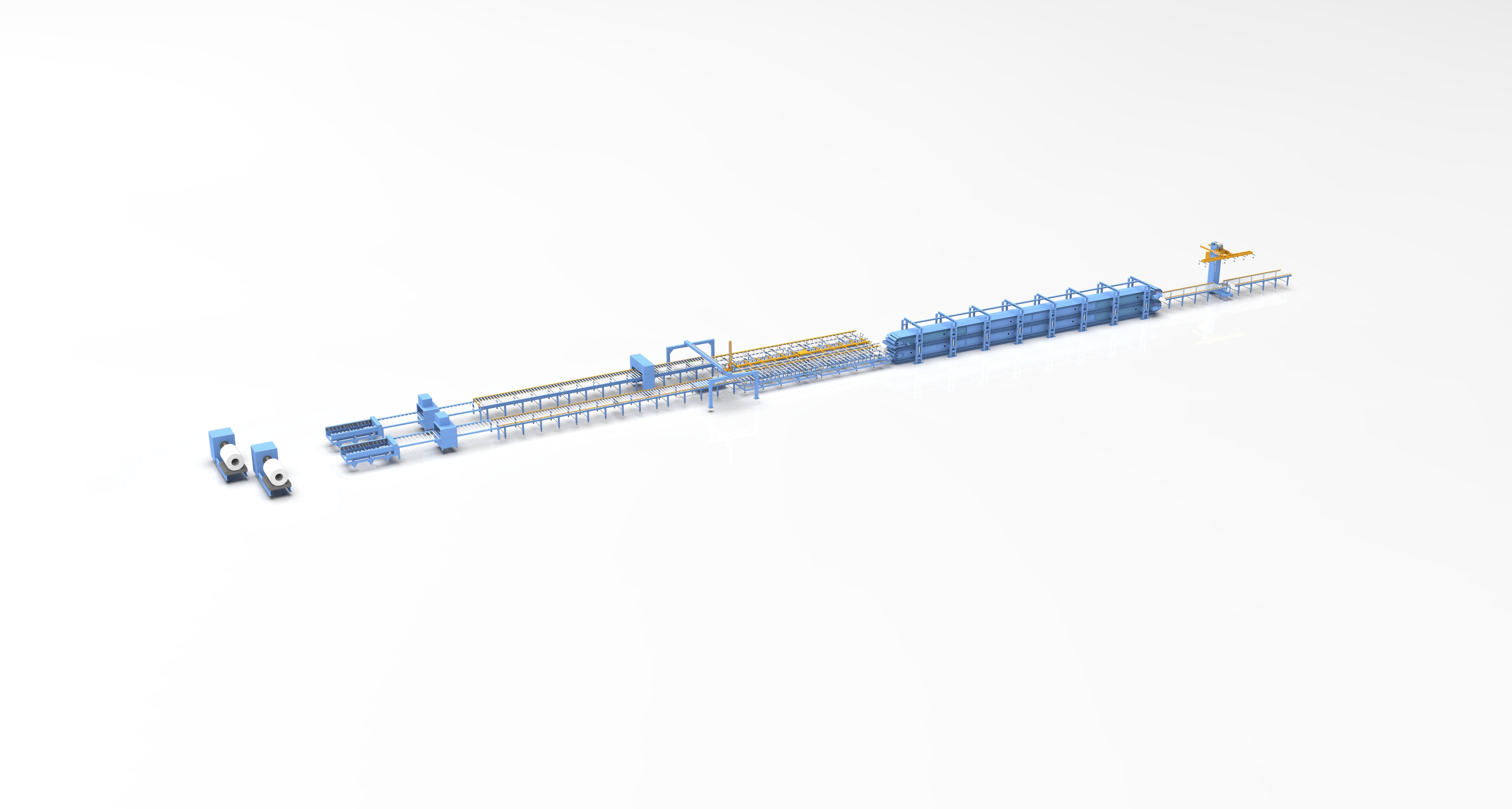
A core fill that isn't installed correctly rarely shows its problems right away. The first sign is often a door that starts to feel heavier on one side or a wall that no longer blocks sound the way it should. By then, the hidden voids have already started to compromise the structure's thermal and acoustic performance. The real expense isn't the initial pour or injection—it's the quiet failure that forces you to reopen walls or replace door slabs months later.
Poorly mixed or poorly placed fill material can also trap moisture against the surrounding frame or block. Over time, that leads to rust on internal reinforcements or rot in wood components, even when the exterior looks fine. Repairing that kind of damage means tearing out finished surfaces, not just patching a small area. Labor and downtime often cost several times more than the original fill job.
Then there's the safety side. In fire-rated assemblies, a bad core fill can create a path for heat and smoke to travel through a building faster than expected. That single defect can fail an inspection or, worse, put occupants at risk. When you factor in replacement labor, potential code violations, and the loss of trust, cutting corners on core fill stops looking like a savings and starts looking like a liability.
Why Panel Squareness Starts Before the Rollformer
Most operators blame the rollformer when panels come out of square, but the real problem often starts long before the strip reaches the first station. Coil set, slitting burr, uneven tension, or a slight camber in the strip can all skew the material before it ever sees a roll. If one edge of the strip is even a fraction longer than the other, the panel will carry that error through every bend and cut, no matter how carefully the roll tooling is aligned.
That’s why upstream handling matters more than most shops realize. A clean slit edge, a properly set leveler, and entry guides that present the strip square to the mill all work together to keep the material tracking straight. A worn feed roller or a misaligned uncoiler can introduce a drift that only shows up as a squareness problem at the shear. So before you start adjusting roll stands, check the coil width, edge condition, camber, and the entire feed path. Squareness isn’t a setting on the rollformer—it’s a condition you build into the strip before forming begins.
Automation That Pays for Itself (and the Kind That Doesn't)
Automation becomes a clear win when it removes a repetitive task that eats hours every week, such as reconciling invoices or syncing customer data between platforms. The upfront setup cost might sting, but the ongoing time savings compound quickly, often paying back the investment within a few months. For example, a small business that automates its monthly reporting can free up a full workday, letting staff focus on client follow-ups instead of copy-pasting numbers.
On the flip side, automation fails to pay for itself when it targets processes that are rare, highly variable, or already fast. Building a script to handle a task that happens twice a year, or forcing a rigid workflow onto exceptions-heavy work, often costs more in maintenance and troubleshooting than doing it manually. The trap is falling for the idea that any automation equals progress, when in reality some tools just add technical debt.
The difference comes down to frequency, stability, and measurability. If a process runs daily, follows consistent rules, and you can quantify the hours saved, automation usually earns its keep. But if you cannot name the specific bottleneck or the monthly time cost, the automation is likely a vanity project that will quietly drain resources without a visible return.
Changeover Times That Make or Break Job Shops
In a job shop, every minute spent swapping fixtures, adjusting offsets, or locating tooling eats directly into the margin. The average shop loses more capacity to poor changeovers than to spindle downtime, yet changeover time rarely shows up on a dashboard. When setup becomes a scavenger hunt for bolts, collets, and program files, the real cost isn't just the clock—it's the broken rhythm that follows. Operators lose focus, quality drifts, and the next job starts behind schedule before the first chip is cut.
The shops that consistently win high-mix work treat changeover as a designed process, not an afterthought. They stage everything at the machine before the previous job ends: preset tools, dedicated carts, quick-release workholding, and programs loaded and verified offline. Some go further by standardizing fixture plates and using ball-lock systems so a new setup snaps into place in under ten minutes. The goal isn't to rush the operator; it's to remove the searching, walking, and rework that make setups unpredictable.
Not every changeover deserves the same effort. A repeat job with stable tooling might need only a program call and a probe cycle, while a first-run prototype can demand hours of creative clamping. Smart job shops map their changeover patterns and attack the ones that repeat most often, not necessarily the ones that look worst on paper. Reducing a dozen fifteen-minute setups by half often returns more capacity than eliminating one two-hour nightmare—because frequency compounds. In the end, changeover time doesn't just decide how fast you switch jobs; it decides whether you can afford to take the next one at all.
Footprint vs. Output: Fitting the Line Where It Belongs
Plenty of operations chase a smaller footprint as if square footage were the enemy, then wonder why output stalls. Cramped workstations force people to shuffle sideways, stack parts in odd places, and wait for someone to move. The fix usually isn't more floor space—it's matching the space you have to the pace the line actually runs. A five-foot shift in a tool rack can take a minute off every cycle without adding a single square meter.
The line belongs where the flow already wants to go, not where the floor plan has an empty rectangle. Too many setups wedge a process into leftover space because it looks tidy on paper, then spend hours moving material back and forth to feed it. Look at the actual footsteps, the reach distances, and the queue points, and the right placement becomes obvious. Often the best spot adds a few meters of walking at one point but removes dozens of meters everywhere else.
Output doesn't come from making the footprint smaller or bigger—it comes from making the footprint honest. Measure the distance a part travels between operations, count the seconds a worker waits on a cart, and track how often inventory piles up at a bend in the line. Then adjust the layout until those numbers drop, even if the total area stays the same or grows slightly. That's the line fitting the work instead of the work fighting the line.
FAQ
Focus on panel flatness tolerance and edge sealing quality, since even small gaps can compromise cleanroom pressure differentials. Also check whether the line supports variable core materials like rockwool or PU foam without long changeover times.
Higher automation reduces reliance on skilled operators for repetitive tasks like glue application and stacking, but it also demands more rigorous preventive maintenance. For most mid-sized facilities, a semi-automated line with automated cutting and manual inspection offers the best balance.
Yes. Cold storage panels often benefit from PIR foam for lower thermal conductivity, while pharmaceutical rooms may prefer rockwool or magnesium oxide cores for fire resistance and chemical stability. A line that can switch between cores without excessive downtime gives you more flexibility.
Look for inline thickness measurement, adhesive spread monitoring, and automatic edge trimming verification. These catch defects early, before panels reach lamination, which reduces scrap and rework far more effectively than end-of-line inspection.
Plan for four to eight weeks from delivery to full production, depending on site readiness and the complexity of the line. Vendors who provide on-site training and a detailed commissioning checklist tend to shorten this by about a week.
Daily cleaning of adhesive nozzles and conveyor surfaces is critical. Weekly checks on hydraulic pressures and sensor calibration prevent drift, while quarterly replacement of wear parts like cutting blades and sealing gaskets avoids unexpected shutdowns.
For most facilities, a turnkey line from a single vendor is safer because the control system and material handling are already synchronized. Piecing together machines can save upfront cost, but it often leads to integration headaches and slower troubleshooting later.
Conclusion
A clean panel line that looks impressive on a datasheet can still falter the moment your maintenance lead inspects the frame alignment or your operator tries to switch from a 50mm to a 100mm core. Experienced plant managers rarely trust glossy throughput numbers. Instead, they walk the line, check weld consistency on the rollformer stands, and ask how long a full profile change really takes with two people and a forklift. The hidden cost of a poor core fill shows up weeks later as delamination or thermal bridging, so fill density and adhesive coverage matter more than cycle speed. Panel squareness, too, is often decided before the rollformer: coil straightness, entry guides, and pre-notching accuracy set the tolerance you can hold at final cut.
Automation only earns its keep when it removes a bottleneck you actually have. A servo-driven stacker is worth little if your crew still waits on manual glue mixing, while a well-placed automatic width adjustment can turn a job shop into a same-day responder. Footprint discussions are equally practical: a compact line that blocks forklift access or forces awkward coil loading will quietly cap your output regardless of its rated meters per minute. The best facility fit balances floor space with real throughput, not theoretical peak. Before committing to any top pick, simulate a shift change, a material swap, and a rush order. The line that handles those three moments without drama is the one your floor will actually want to run.
Contact Us
Contact Person: Sophia Jiang
Email: [email protected]
Tel/WhatsApp: +86 17367381818
Website: https://yzwelding.com/