

OEM Glucomannan Fiber Supplement Formulation Guide for Private Label Brands
2026-09-21
Most private label brands underestimate the complexity of formulating a glucomannan fiber supplement that actually works — and tastes good enough to reorder. The difference between a forgettable product and a bestseller often comes down to the OEM formulation choices you make before production even begins. This guide walks you through those choices, from sourcing konjac root extract to fine-tuning viscosity and filler ratios. And when you're ready to move from concept to capsule, INT brings the manufacturing expertise to help you launch a product your customers will keep coming back for.
Where to Source Glucomannan That Passes Third-Party Purity Checks
If you're tired of guessing whether a glucomannan powder is actually pure, start by looking beyond the front label. Reputable suppliers often submit their konjac-derived fiber to independent labs like NSF International, USP, or Eurofins, and they're not shy about sharing the results. A batch-specific certificate of analysis (COA) is the bare minimum—if a brand hesitates to provide one, that's your cue to move on. Smaller manufacturers that specialize in single-ingredient supplements tend to have tighter control over cross-contamination than mega-retailers that outsource production.
For buyers who want extra assurance, sourcing directly from facilities that follow current Good Manufacturing Practices (cGMP) and hold certifications like ISO 17025 for their testing labs can make a real difference. Some of the most dependable glucomannan comes from Japanese and Chinese konjac processors that have decades of refinement experience, but the key is not the country of origin—it's the paper trail. Request a COA that lists heavy metals, microbial limits, and glucomannan content by assay, then verify the lab's accreditation yourself. A quick phone call or email to the supplier asking about their third-party testing schedule often reveals more than any marketing claim.
Powder, Capsule, or Gummy – Which Format Survives Fill Lines and Customer Expectations
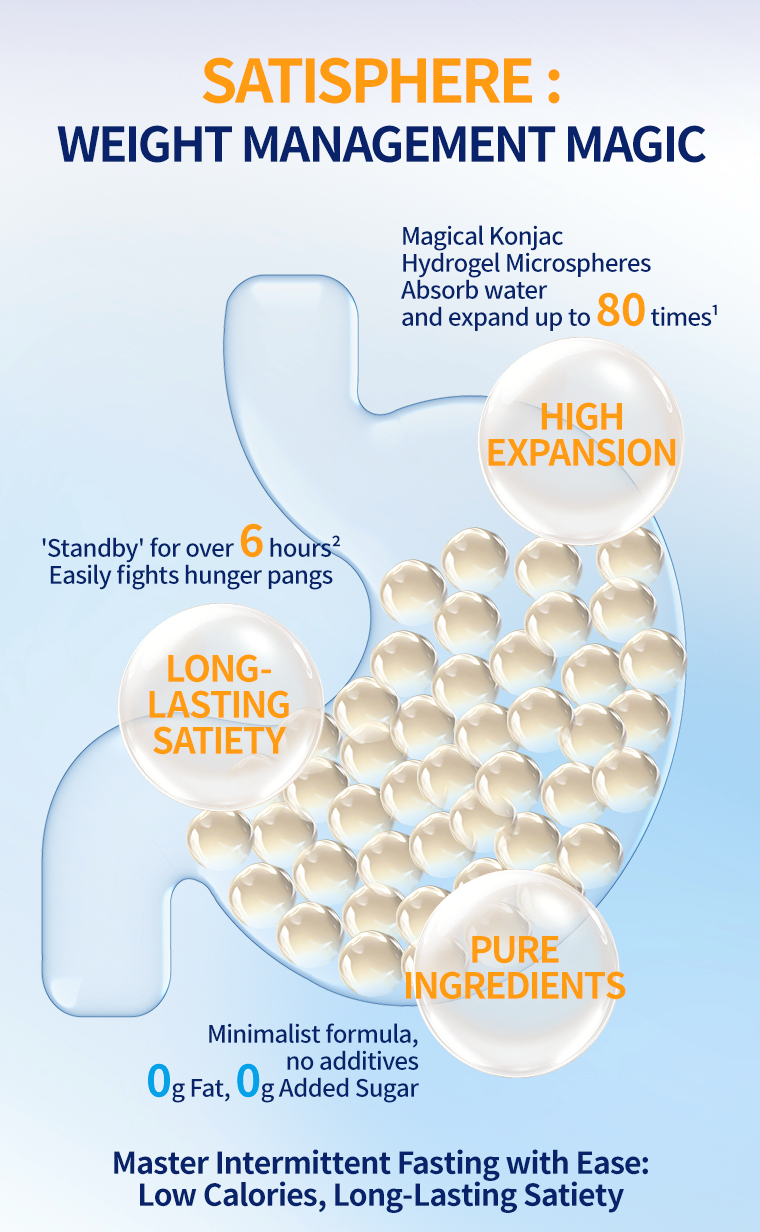
Walk the supplement aisle long enough and you’ll spot the same three contenders staring back: powder, capsule, gummy. Each one promises easy dosing, but the moment a brand scales from kitchen-batch blending to high-speed fill lines, the real winners emerge. Powders flow fast but kick up dust and demand precise scoop tolerances. Capsules stay clean, yet brittle shells crack under pressure. Gummies bring flavor and fun, only to gum up equipment with sticky carryover. The format that survives isn’t the one that looks best on a mood board—it’s the one that keeps the line moving without constant jams or weight drift.
Customers, meanwhile, bring their own quiet biases. A busy parent might reach for a gummy because swallowing pills feels like a chore, while a gym regular shakes powder into a bottle without a second thought. Capsules hold the middle ground: neutral, portable, no taste to fight. But here’s the catch—fill lines favor uniformity. Powders can be dialed in with auger fillers, capsules slide through dosators with ease, and gummies demand tight control over viscosity and cooling times. The brands that win learn to match their chosen format to both the machinery’s temperament and the shopper’s unspoken habits.
What often gets missed is how small operational tweaks flip the script. A powder with poor flowability can be granulated just enough to hit target weights. A capsule formula can shift to a higher-fill-weight size to reduce dust and split shells. Gummies can be starch-molded instead of deposited to cut stickiness. On the shelf, that translates to fewer half-empty bottles and fewer returns. Customers may never know the engineering behind their daily dose, but they definitely notice when the format fights them—clumpy powder, cracked capsule, gummy melted into a single blob. The surviving format isn’t a trend. It’s a compromise that both the line operator and the end user can live with every single day.
Flavor Systems That Hide Glucomannan's Taste Without a Sugar Spike
Glucomannan’s faintly earthy, almost chalky undertone can turn a smooth drink gritty if you let it. The trick isn’t to drown it in sugar—that just trades one problem for another. Instead, sharp top notes like cold-pressed lemon zest, a whisper of peppermint oil, or a drop of vanilla oleoresin pull attention away from the base taste. These aromatics hit the palate first, so the brain registers brightness before the glucomannan ever lands.
For deeper cover, cocoa powder (the unsweetened, alkalized kind) works better than most syrups. Its natural bitterness and fat-like mouthfeel blend with glucomannan’s viscosity, muting that vegetal edge. A pinch of sea salt or a few drops of liquid stevia can round the edges, but the real hero is often a spice blend—cinnamon, cardamom, or even a touch of ginger—which adds warmth without nudging blood glucose.
If you need something creamy, unsweetened almond or coconut milk provides body and a slight nuttiness that pairs well with glucomannan. A tiny amount of monk fruit extract or allulose can supply perceived sweetness without the spike, but you rarely need much once the flavor system is built right. Layer these elements and let them sit for five minutes before drinking; the flavors marry and the glucomannan’s taste fades into the background.
Getting the Viscosity Right So Your Supplement Mixes Like a Dream, Not Paste
Getting the viscosity right isn't just about preventing a gluey mess—it's about creating a texture that feels good in your mouth and actually encourages you to drink the whole glass. Too thin and the supplement can taste watery or leave a chalky aftertaste, while too thick turns it into something that clings to the spoon and makes your throat work overtime. The sweet spot usually falls between whole milk and light cream, where the powder fully suspends without turning into a gel.
One common mistake is dumping all the powder into liquid at once, which forces the outer layer to hydrate instantly and traps dry pockets inside. Instead, start with a third of your liquid, sprinkle the powder across the surface while stirring, then add the rest slowly. If you're using a shaker, a few seconds of vigorous shaking with a wire whisk ball works better than a blender for small batches. Thickeners like xanthan or acacia can help, but start with a pinch per serving—these gums are potent and a little overshoot leads straight to paste territory.
Keep in mind, the right viscosity also shifts depending on what else is in the blend. Fiber-heavy formulas absorb more liquid and need extra water upfront, while protein isolates can thin out after sitting for a minute. Let the mixture rest for 30 seconds after mixing, then give it a final stir or shake. If it still coats the back of a spoon like warm honey, add a splash of water. If it separates within a minute, add a tiny bit of gum or reduce the liquid next time.
What Your Private Label Competitors Miss on Supplement Facts Panels
Most private label supplement brands nail the obvious basics: calories, protein, maybe a bold vitamin C number. But the details that separate a credible label from a forgettable one get skipped constantly. Serving sizes are the worst offender—if your scoop delivers 9.4 grams but the panel assumes a 5-gram serving, every nutrient amount below that line is wrong, and customers who use a scale will catch it fast. That kind of mismatch doesn't just look sloppy; it quietly undermines trust in every other claim on the bottle.
Another repeated miss is how proprietary blends and inactive ingredients are handled. Competitors list a blend weight without breaking down the actives, so a shopper can't tell whether they're getting a meaningful dose or mostly cheap filler. And the forms matter: magnesium oxide and magnesium glycinate both read as "magnesium," but they behave very differently in the body. When a panel hides that distinction, it reads as either ignorance or a deliberate dodge—both are bad looks for a private label.
Then there's the daily value column. Plenty of panels leave it blank for ingredients without an established DV or keep outdated units from before the 2016 label overhaul. Updating DVs, rounding values the way the FDA expects, and clearly flagging allergens and non-active excipients costs nothing extra, but it immediately sets a store brand apart from competitors who treat the facts panel as an afterthought.
Accelerated Shelf-Life Tests That Won't Lie to You About Long-Term Stability
Most accelerated shelf-life programs rely on a single high-temperature storage condition and then extrapolate downward using a simple Arrhenius model. That approach can be dangerously misleading when the degradation mechanism itself shifts between 40°C and 25°C. Lipid oxidation, vitamin breakdown, and Maillard browning often follow different kinetics once you cross a threshold—sometimes around 35°C for certain emulsions. A test run at 45°C may show rapid rancidity, yet the same product stored at 25°C remains stable for months longer than predicted because the aqueous phase viscosity and oxygen solubility change in ways the model ignores.
Humidity is another place where accelerated tests lose touch with reality. Many labs store samples in sealed chambers with saturated salt solutions to control relative humidity, but they fail to account for moisture migration inside the packaging. A breakfast bar in a high-humidity chamber at 40°C can absorb water through the wrapper at a rate that never happens in a real warehouse with daily temperature swings. The result is a texture failure that gets blamed on the formula when the real culprit is an unrealistic vapor pressure gradient. To get honest data, cycle the humidity between 50% and 75% and measure water activity of the product itself, not just the chamber air.
A better protocol uses three storage temperatures—typically 25°C, 32°C, and 40°C—along with periodic testing of the specific quality attribute that actually limits shelf life, whether that is crispness, color, or active ingredient potency. Instead of assuming a Q10 value of 2, calculate the observed Q10 between each pair of temperatures and watch for non-linearity. If the Q10 is not constant, the acceleration is lying. Pair this with a short real-time study at 25°C for at least six months, then adjust the model as data arrives. That kind of honest, iterative approach keeps you from launching a product based on a shelf-life claim that collapses in the real world.
FAQ
Glucomannan's viscosity-building profile sets it apart from many common fiber sources. It absorbs water rapidly and forms a thick gel, which supports satiety and slows gastric emptying when taken before meals with adequate fluid. For a private label brand, that mechanism is easy to communicate to consumers looking for appetite control or digestive regularity. The raw material is also relatively neutral in taste and works across capsules, powders, and even gummies if you adjust for moisture. From a formulation standpoint, you get a clean-label story: a single plant-derived polysaccharide from konjac root, often non-GMO and allergen-free. The main constraint is dosing precision—too little and the effect is weak, too much and you risk clumping or a choking hazard if not hydrated properly. That balance is where a knowledgeable OEM partner adds value, helping you hit an effective dose (typically 2-4 grams per serving in powder) without sacrificing texture or safety.
Dry powders are the most straightforward because glucomannan needs significant water to gel, and a powder allows the consumer to control that. You can create single-serve stick packs or canisters with a scoop, but you must address static and clumping during filling. Capsules are possible but require higher fill weights to reach an effective dose, often meaning large capsules or multiple-capsule servings, which can hurt compliance. Tablets are generally not recommended unless you use a granulated or pre-hydrated form and very robust compression, because the swelling can cause disintegration issues. Gummies are emerging, but you have to keep moisture low and use glucomannan at lower inclusion rates or it will seize the batch. For most private label launches, a flavored powder with a dispersing agent like inulin or acacia gives the best balance of dose, cost, and consumer experience. If you want differentiation, think about effervescent formats or pre-meal shot powders, but those require more sophisticated wet granulation steps.
The biggest one is lumping or fish-eye formation when the powder is added to liquid too quickly, which ruins mouthfeel and creates a choking perception. To prevent that, you need a dispersing system—often a co-spray-dried carrier or a physical blend with fast-dissolving sugars or polyols. Another failure is using too high a viscosity grade without adjusting the serving size; the final drink can become undrinkably thick within two minutes. Stability is another trap: glucomannan degrades under acidic and high-heat conditions, so flavored powders with citric acid need a protective coating or pH buffering. In capsules, moisture ingress can cause softening or leaking. Finally, many brands ignore particle size distribution, leading to inconsistent scoop weights and clumping in the canister. A robust OEM partner will run viscosity over time and accelerated stability tests rather than just blend and ship.
Focus on the experience around the dose. Instead of a plain unflavored powder, offer pre-portioned stick packs in flavors that match current wellness trends—say, yuzu ginger or hibiscus lime—so the product feels like a ritual, not a medicine. Add functional co-ingredients that align with a specific use case: chromium for metabolic support, L-carnitine for an active audience, or a spore-based probiotic for gut health, but make sure the glucan doesn't interfere with their stability. The format itself can be a differentiator: a quick-dissolving effervescent tablet taken before a meal feels more premium than a scoop. You can also lean into transparency: use a glucomannan with a documented viscosity range and publish the actual gel strength on the label, which very few brands do. Packaging matters too—single-dose sachets with clear 'take 15 minutes before meals with 8 oz water' instructions reduce misuse and support results.
In the U.S., glucomannan is a dietary fiber that can be listed as a dietary ingredient, but health claims are limited. You can structure-function language around satiety and regularity, but avoid disease claims. The FDA has issued warning letters for products claiming weight loss without adequate substantiation, so wording like 'supports a feeling of fullness when taken before meals' is safer than 'causes weight loss.' If you sell in the EU, glucomannan has an approved health claim for weight loss in the context of an energy-restricted diet, but only at a specific dose (3 grams per day in three 1-gram doses with water before meals) and with the required warning about choking risk for people with swallowing difficulties. That warning is non-negotiable. Label must include clear mixing instructions and a caution to take with sufficient water. Allergen statements are usually clean, but check for cross-contamination if the facility also handles gluten or soy.
Ask for a pilot batch before committing, and test it in real-world conditions: add the powder to cold tap water in a shaker bottle, time how long it takes to fully disperse, and measure viscosity after five minutes. A good partner will have a viscosity specification and be able to show batch-to-batch consistency data. They should also understand moisture control, because glucomannan is hygroscopic and can clump in high humidity. Look for experience with konjac-based ingredients specifically, not just general fiber blends. Ask about their testing for heavy metals and glucomannan purity; some low-cost sources are adulterated with starch. Finally, evaluate their packaging capabilities—can they run stick packs with low moisture barrier film? A partner who asks about your target consumer and use occasion is more valuable than one who just offers a stock formula.
Conclusion
Formulating a private label glucomannan supplement starts with sourcing konjac root that can withstand third-party purity audits for heavy metals, moisture, and glucomannan content. The first decision is delivery format: powders offer dosing flexibility but clump if particle size and dispersion agents are off; capsules hide texture issues yet limit fiber load per serving; gummies require heat-stable glucomannan and careful pH control to avoid weeping or rubbery collapse. Your flavor system must do more than cover glucomannan's faint earthy, starchy notes. Acidic fruit blends with a touch of bitterness from citrus peel or hibiscus can cut through the gel-like mouthfeel without adding sugar. The real trick is balancing viscosity. If you push past 3,000 centipoise in a ready-to-mix powder, users end up with a spoon that stands upright. Target a shear-thinning profile using fine-mesh glucomannan plus a small amount of pre-gelatinized starch or acacia fiber so it pours, then thickens gently in the glass.
Most private label brands copy a standard Supplement Facts panel, but they miss details like declaring the exact glucomannan content after accounting for moisture, or listing the soluble fiber fraction separately from total carbohydrates. Some skip the required warning about taking with insufficient liquid, which is a compliance risk. Accelerated shelf-life testing often lies when labs only measure viscosity at room temperature. You need to cycle through 40°C and 75% relative humidity for at least three months, then test for mold, clumping, and off-flavors, not just visual specs. A stable glucomannan formula keeps its mixability and flavor past the 24-month mark, but only if you include a desiccant in capsules or a low-moisture gummy base. The brands that win private label contracts are the ones who treat glucomannan as a functional hydrocolloid, not a commodity powder, and adjust every step from sourcing to stability data accordingly.
Contact Us
Contact Person: Jeffrey
Email: [email protected]
Tel/WhatsApp: 86-0633-2230056
Website: https://www.sd-intmedical.com