

Outdoor Wall Tiles Factory Insights: Trends, Quality, and Design Ideas
2026-05-13
Are you planning an outdoor space that turns heads? The perfect wall tiles can elevate a simple patio, facade, or garden wall into a true design statement. Yet with so many choices, it’s tricky to pin down the best trends, ensure lasting quality, and pick a reliable outdoor wall tiles factory. In this article, we’ll guide you through fresh design ideas, key quality checks, and insider factory insights. Plus, we’ll spotlight Beata Ceramics, a brand that consistently merges elegance with outdoor-grade durability. Ready to reimagine your walls?
Factory-Driven Shift Toward Textured Outdoor Finishes
The move toward textured outdoor finishes isn't just a design whim—it’s being propelled by factories retooling their production lines to meet demand for surfaces that hide wear and tear better than smooth alternatives. These manufacturing shifts allow for deeper, more consistent textures that mimic natural stone, wood grain, or stucco, all while maintaining the durability expected from exterior materials. By altering pressing techniques and mold designs, factories can now produce panels and siding with irregularities that look almost accidental, giving building exteriors a handcrafted feel at scale.
Behind the scenes, advances in coating application and material formulation are making these surfaces more viable outdoors. Factories are integrating UV-resistant layers directly into the texture, so the finish doesn't just emulate raw materials but actually withstands sunlight and moisture without fading or peeling prematurely. This technical push means architects and builders get the aesthetic benefits of a rugged, tactile surface without the long-term maintenance worries that used to come with textured exteriors.
What’s emerging is a break from the uniformity of smooth metal or flat fiber cement. Factory-driven innovation is giving rise to profiles with varied relief depths, micro-shadow lines, and even multi-tonal effects baked in during production. These aren't afterthoughts applied on site—they’re built into the material from the start, shifting outdoor design language toward something more organic and less corporate, all thanks to what’s happening on the factory floor.
What Makes a Wall Tile Truly Weather-Resistant
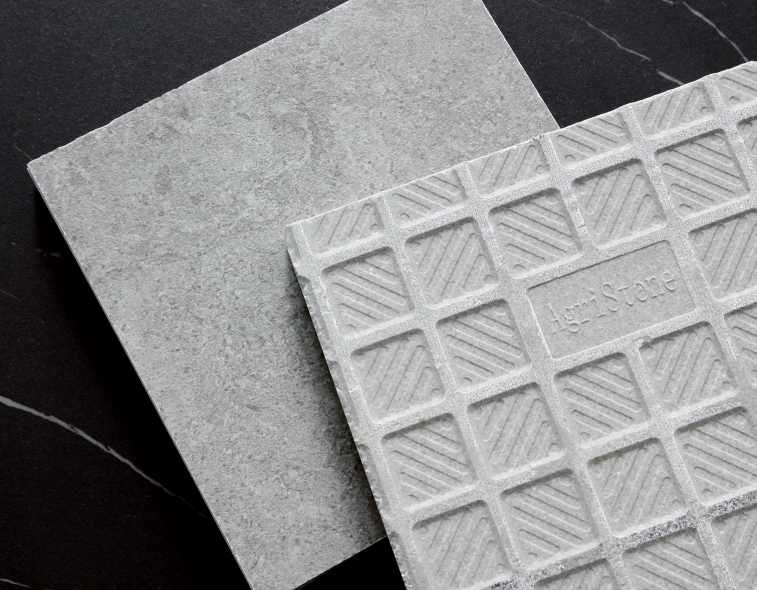
True weather resistance in a wall tile comes down to how it handles moisture and temperature swings. Tiles with extremely low porosity, like fully vitrified porcelain, absorb almost no water, so they won't crack when the mercury dips below freezing. This dense structure is the first line of defense against the elements.
Beyond the body, the surface finish matters a lot. A high-quality glaze or a natural stone that's been properly sealed acts as a barrier, keeping rain, snow, and UV rays from degrading the tile over time. Matte textures might hide wear better, but the real test is whether the finish resists fading and doesn't invite mold.
Even the best tile won't perform well if it's installed wrong. A weather-resistant wall system needs a solid substrate and grout that can flex with temperature changes. Without proper sealing at the edges and consistent grout joints, water can sneak behind the tile and cause failures from the inside out.
Mixing Materials for a Custom Exterior Look
A home’s exterior gains depth and personality when different materials are combined thoughtfully. Rather than defaulting to a single siding type, blending elements like brick, wood, metal, and fiber cement creates a layered appearance that feels curated instead of mass-produced. The contrast between textures—rough stone against smooth panels, warm timber next to cool steel—draws the eye and establishes a rhythm that’s uniquely yours. It’s not about throwing everything together, but about finding a balance where each material contributes to a cohesive whole without competing for attention.
Practical considerations shift when multiple materials come into play. Each surface brings its own maintenance cycle, expansion rate, and attachment method, so early coordination prevents awkward transitions later. Pay attention to how materials meet: a deliberate reveal, a shadow line, or a simple metal trim can turn a necessary joint into a design feature. Color choices become even more critical—neutral palettes often allow the textures to take the lead, while bolder accents on doors or trim can punctuate the composition. And don’t overlook how the materials read from the street versus up close; some pairings thrive on the subtle shift in perception as you approach.
The best mixed-material facades often borrow from the surrounding context without mimicking it. A neighborhood heavy on brick might incorporate stone accents that echo the masonry’s solidity but introduce a rougher grain. A modern structure can weave in vertical wood slats that soften sharp metal edges and reference nearby tree lines. The goal isn’t to outshine every house on the block but to create an exterior that feels grounded in its site yet unmistakably tailored. When the combination feels inevitable rather than forced, that’s when the look truly becomes yours.
The Move to Large-Format Panels Outdoors
What was once confined to indoor flagship stores and high-end trade show booths is now spilling onto streets, plazas, and transit hubs. The shift toward large-format panels outdoors isn’t just about going bigger—it’s about rethinking how public spaces communicate. Suddenly, a building’s facade becomes a canvas that can shift from a serene sunrise to a dynamic brand story in seconds, blending architecture with moving imagery. The surprise isn’t the size; it’s how naturally these displays slot into the urban rhythm, turning passersby into an audience without asking for their permission.
Behind this push lies a quiet revolution in durability and optics. Early outdoor screens struggled under direct sunlight, but modern panels punch through glare with extreme brightness and anti-reflective coatings that feel almost invisible. They shrug off rain, dust, and temperature swings that would have wrecked older tech, all while sipping power more efficiently than expected. Installers now talk about nits and IP ratings the way photographers discuss aperture, yet the real magic is how these technical leaps have made large-format outdoor displays feel less like giant televisions and more like living windows into another world.
It’s tempting to call this a trend, but the momentum suggests something deeper. City planners and architects are starting to treat outdoor panels as infrastructure, not afterthoughts, integrating them into wayfinding systems, public art, and even emergency alerts. The scale alone changes the emotional weight of the message—a weather warning on a screen towering over a square hits differently than a phone notification. What’s unfolding isn’t just a hardware migration; it’s a reshaping of how we expect the outdoors to inform, entertain, and occasionally surprise us.
Eco-Friendly Production Reshaping Tile Choices
The shift toward eco-friendly production is quietly altering what we expect from tiles. Manufacturers are moving past simple aesthetics and durability, embedding sustainability into the material itself. This means recycled glass and porcelain are no longer niche options but central to product lines, reducing demand for virgin raw materials. The result is a market where a tile's environmental footprint weighs as heavily as its color or texture.
Energy and water use in tile making are also being rethought. Traditional kilns are giving way to electric or hybrid systems that tap renewable sources, slashing carbon output. Closed-loop water systems recycle slurry and wastewater, minimizing fresh water withdrawal. These changes aren't just upgrades—they're redefining what makes a tile “good,” pushing buyers toward choices that align with a lower-impact home.
Even the end of a tile's life is now part of the design brief. New manufacturing techniques create products that can be easily crushed and repurposed into fresh tiles, sidestepping landfill. This circular approach means that the narrative around tiles is no longer just about how they look when installed, but about their entire lifecycle. It’s a quiet revolution, but one that’s reshaping supplier catalogs and design decisions alike.
Behind the Scenes: How Color Consistency is Achieved
Getting colors to match perfectly across different prints, batches, or materials is more science than guesswork. The backbone of this process is a well-tuned color management system that starts with calibrating monitors, printers, and scanners to a shared set of reference data. Without this, what looks right on a screen can shift unpredictably on paper or fabric. Each device gets a unique ICC profile that maps its color output to a known standard, ensuring that a designer's intent is preserved no matter where the final product is made.
Behind every consistent color is a spectrophotometer—a tool that reads color as numerical values by measuring reflected light. These readings generate spectral data that can be compared to a stored target using Delta E calculations; a low Delta E means the colors are nearly identical to the human eye. In many production environments, a master color library is built from physical samples, then every new run is measured against it. If the numbers drift beyond acceptable tolerance, adjustments are made on the fly, often directly in the mixing or printing equipment.
The environment also plays a huge role. Temperature, humidity, and even the type of lighting used for inspection can trick the eye. Facilities often stick to ISO-standard viewing conditions and controlled storage for materials to minimize variation. Some advanced setups employ inline cameras and AI that scan every piece as it’s produced, flagging any deviation before it becomes a full batch problem. It’s a meticulous blend of hardware, software, and human oversight, all working together to make color consistency seem effortless.
FAQ
Porcelain and natural stone remain popular, but we're seeing a shift toward large-format slim tiles that reduce grout lines and offer a sleeker finish. Factories are also experimenting with textured surfaces that mimic wood, concrete, or even fabric for a more tactile exterior.
Quality control starts with low water absorption rates—typically below 0.5% for frost-resistant tiles. Factories run thermal shock tests and check breaking strength to ensure tiles won’t crack in freeze-thaw cycles. The glazing process also plays a role, using durable, UV-stable pigments to prevent fading.
Mixed-material looks are big right now—combining tile with metal or vertical gardens. Another idea is using tiles with 3D relief patterns to create dynamic shadows as the sun moves. For color, earthy tones like terracotta and sage green are replacing the gray-dominated palettes of the past.
Buying factory direct often cuts out middleman markups, so you get better pricing without compromising on quality. Reputable factories provide detailed specifications and test reports, so you can verify performance metrics firsthand rather than relying on retailer claims.
Beyond the obvious color and finish, check for thickness consistency and edge alignment, as these affect installation. Request samples from different production batches to spot any color variation. Also, ask about the rectification process—precisely cut edges make a huge difference in the final look.
Yes, many factories now recycle water used in production and incorporate recycled materials into tile bodies. Some offer take-back programs for off-cuts. Energy-efficient kilns and solar-powered facilities are also becoming more common, reducing the carbon footprint per square meter.
Conclusion
In the world of outdoor wall tiles, what’s happening inside factories today directly shapes the choices available to designers and homeowners. There’s a clear push toward textured finishes that not only add visual depth but also improve grip and hide wear over time. This shift isn’t just aesthetic—it’s driven by a deeper understanding of weather resistance. True durability goes beyond basic frost-proofing: tiles now need to withstand UV exposure, thermal shock, and moisture without fading or cracking. The move to large-format panels is a natural outcome of factory innovation, reducing grout lines and creating sleek, modern facades. Meanwhile, behind the production lines, color consistency is secured through precision-controlled firing and pigment blending, ensuring every batch seamlessly matches the previous one.
On the design side, mixing materials is gaining traction. Pairing wood-look planks with stone-textured tiles or combining matte and gloss finishes allows for a tailored exterior that breaks away from monotonous surfaces. These combinations are made possible because factories now run flexible production schedules, crafting complementary ranges that blend effortlessly. Eco-friendly manufacturing also plays a role—recycled content, water-saving techniques, and cleaner kilns are quietly reshaping what’s available, without compromising on looks or strength. The result is a range of wall tiles that not only stand up to the elements but also offer a curated, personal finish. It’s a far cry from the one-size-fits-all outdoor cladding of the past, and it gives architects and homeowners the freedom to create exteriors that feel both thoughtful and bold.
Contact Us
Contact Person: Emma
Email: [email protected]
Tel/WhatsApp: 8618064423698
Website: https://www.beataceramics.com/