

Recycled Material Filler Pad Manufacturer Reveals the Key to Sustainable Protective Packaging
2026-11-26
Most protective packaging talks a good game on sustainability, but few manufacturers are willing to show what actually goes inside the filler pad. That is where the conversation gets interesting. Top Packaging has been quietly reworking recycled material filler pads from the inside out, and the result challenges a lot of assumptions about cost, durability, and real environmental impact. Here is what their latest approach reveals about making protective packaging genuinely sustainable.
Keeping Quality High When Feedstock Changes Daily
Daily shifts in raw material can quietly erode consistency if you let them. Instead of chasing perfect uniformity, build a small set of quick bench tests that flag the most disruptive variables before full production starts. A two-minute viscosity check or a quick pH read often reveals more than a stack of supplier certificates.
Train operators to treat the first batch of each shift as a calibration run, not a finished product. Adjust ratios on the fly using a simple visual guide—tint, texture, or moisture feel—rather than waiting for lab results. This keeps small drifts from compounding into off-spec output.
Keep a rolling log of feedstock quirks and the tweaks that worked. Over time, that log becomes your real recipe book, turning daily variability from a threat into a manageable rhythm.
Why Regrind Pads Hold Their Own Against Virgin Foam
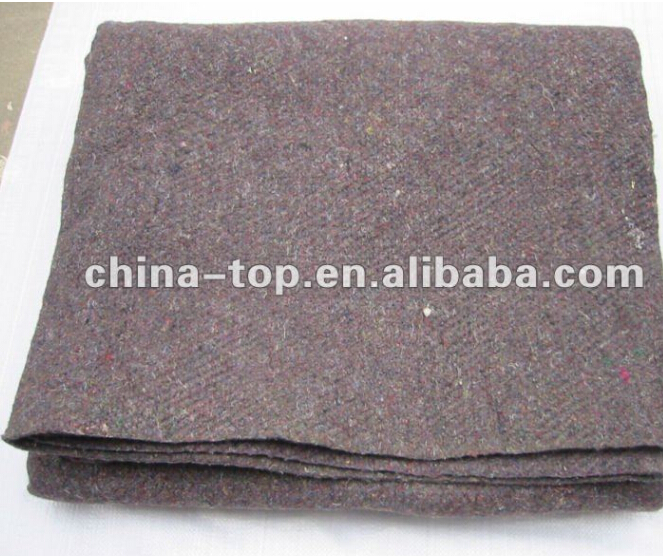
Regrind pads rarely get the same attention as their virgin foam counterparts, but they quietly deliver where it matters. The foam blend still carries enough resilience to maintain surface contact, and the slight density variation from recycled material often works in favor of controlled abrasion rather than against it.
On the floor, the difference is less about pedigree and more about handling. A well-made regrind pad cuts at a predictable rate, keeps slurry moving, and doesn't glaze over as quickly as some users expect. For everyday polishing and light correction, that consistency tends to matter more than the raw purity of the foam.
Cost is the obvious advantage, but it's not the whole story. Regrind pads let shops keep fresh pads in rotation without overthinking every pass, which often leads to better upkeep and more even results across a job.
Matching Cushion Density to Real Product Weights
Cushion density charts are usually treated as fixed reference points, but real product weights rarely spread evenly across a package. A lighter item with a small rigid edge can press harder into a cushion than a heavier item with a flat, wide base. What actually matters is how the weight rests against the foam or paper, not just the number printed on a density sheet.
Begin by weighing the product in its heaviest ready-to-ship form, including any batteries, cables, or accessories packed in the same box. Then look at the contact surfaces that will push into the cushion during handling. If the load concentrates on a narrow corner or foot, step up to a denser material or add a load-spreading layer. For broad, even bases, a lower density often works fine and avoids unnecessary pack weight.
A simple drop or vibration check with the real item inside the box will show whether the cushion collapses too early or recovers well enough for repeated impacts. Make small adjustments and note the outcome for each product family. Over time this gives you a much more dependable guide than generic density tables, especially for products with odd shapes or weight that shifts internally.
What Vibration and Drop Testing Say About Recycled Layers
Vibration sweeps on recycled polymer layers rarely fail where people expect. Instead of uniform cracking, we tend to see localised whitening around injection gate vestiges and near thickness transitions, usually after the resonant frequency drifts upward by a few hertz. That shift is a decent early sign that the recycled fraction is distributing stress differently than virgin material would.
Drop tests add another layer: corner impacts on housing made with high recycled content often produce shear lips that look brittle at the surface but stay ductile just underneath. Recovered samples from multiple drops show crack arrest at the boundary between recycled core and outer skin, which suggests the layering itself does useful work. The number of drops before visible fracture drops off more with inconsistent flake size than with the recycled percentage alone.
Cutting Packaging Waste Without Making the Line Slower
Several plants have found that the fastest route to reducing packaging waste is not a slower hand-off but a tighter setup routine. By moving to adjustable film carriages and pre-set tension profiles, operators can switch between product sizes in under two minutes, trimming excess film at the edges without adding a single station to the line. The gain comes from fewer roll changes later in the shift, not from asking the line to pause for a new inspection step.
On high-volume runs, small overhangs and double-wrapped bases tend to hide in plain sight. A simple weigh-and-log check at the existing case turner catches those patterns early, flagging when a pack style drifts beyond its target material window. Because the check rides on the current conveyor path, cycle time stays unchanged while the data points the maintenance team toward the real offenders: worn forming collars and misaligned seal jaws.
The shift in mindset is to treat packaging waste as a rate problem rather than a compliance chore. When waste drops because the equipment holds its settings longer, the line actually gains uptime. Teams that track grams per pack instead of rejects per hour can usually cut material use by double digits without touching the speed dial.
The Questions That Separate Reliable Suppliers From the Rest
Most sourcing teams start with the obvious checks—years in business, minimum order quantities, and lead times. But the real distinction often shows up in questions that feel slightly uncomfortable to ask. What happens when a critical component fails a quality inspection at the last minute? How do you trace raw materials back through your own sub-suppliers? Reliable suppliers answer these with specific, boring details: names, timelines, documentation, and past mistakes they corrected. Vague reassurances are usually the first warning sign.
Another cluster of questions focuses on how a supplier handles bad news. Ask about a recent shipment that arrived late or a batch that needed rework. A dependable partner will describe the event, the root cause, and what changed afterwards. Less reliable suppliers tend to blame the customer, the freight forwarder, or the weather and then move on. The goal is not to trap anyone; it is to see whether the supplier treats problems as system failures they own or as one-off misfortunes outside their control.
Finally, look at the questions a supplier asks you. Reliable manufacturers usually want to understand your assembly process, your quality expectations, and your end user's environment. If they only ask about order volume, payment terms, and delivery windows, they may be optimizing for the sale rather than the long-term fit. The best relationships start with mutual curiosity, and that is easier to spot when both sides are asking questions that go beyond the purchase order.
FAQ
The core difference is that the padding is made from recovered industrial or post-use material instead of newly produced foam. It still has to meet the same thickness and recovery standards, so the protective performance stays intact while the raw material footprint drops substantially.
We treat scrap as a resource rather than a byproduct. Offcuts and trims go straight back into the next batch, and we adjust the mixing ratios so the recycled content doesn't compromise the pad's density. That closed-loop approach keeps the line lean and reduces what ends up in a skip.
Mostly because packaging is one of the easiest places to reduce waste without changing the customer's experience. A filler pad sits inside the box and gets thrown away after unpacking, so swapping it for a recycled version is a practical move that doesn't require a full packaging redesign.
Yes. Recycled content matters, but so do durability, right-sizing, and whether the pad can be recycled again after use. If a pad is made from recycled material but fails in transit and causes replacements, the overall environmental cost goes up. It has to work as protection first.
They can, but it depends on how the material is processed. We run compression and drop tests on every batch to confirm the pad holds its shape and absorbs shock. The goal isn't to make a cheaper-looking pad; it's to make one that performs the same while using material that already had a life.
Consistency. Recovered material can vary by source, so the same recipe doesn't always behave the same way. We solved it by sorting heavily upfront and blending batches more aggressively, which adds time but prevents weak spots in the final pad.
Mostly from post-industrial scrap and clean post-consumer material that would otherwise be hard to place. We deliberately keep the sourcing local to reduce transport distance, and we test incoming material before it enters production so the supply chain stays predictable.
Ask for the actual percentage of recycled content and the source, not just a green label. A trustworthy manufacturer will share batch test results and explain where the material comes from. If the answer stays vague, the recycled claim probably is too.
Conclusion
Recycled filler pads live or die by how a manufacturer handles raw material swings. One batch of post-industrial foam may arrive denser, drier, or more brittle than the next, so the plants that consistently hold tolerance do not rely on a fixed recipe. They adjust grind size, blending ratios, and compression settings daily, using inline checks rather than waiting for a finished pad to fail. That same discipline explains why regrind pads now compete with virgin foam in real protective work: the material is not simply shredded and pressed. It is sorted, cleaned, and re-foamed into a consistent structure that absorbs shock without excessive thickness. Cushion density is then matched to the actual product weight range, not a generic "fragile" label, so light electronics get a softer layer while heavy components receive a firmer one.
Testing closes the gap between a good sample and a dependable packaging program. Vibration and drop tests on recycled layers show that the weak point is rarely the recycled content itself; it is usually poor bonding or uneven density, which good process control eliminates. Shippers also want waste reduction without a slower packing line, so the key is making filler pads dimensionally stable and easy to feed into automated equipment. That removes the excuse for switching back to foam offcuts or loose fill. When comparing suppliers, buyers should ask how a plant tracks incoming feedstock lots, what test data it shares from its own lab, and whether it can hold the same pad spec across seasonal changes in recycled material. The answers separate manufacturers that genuinely control recycled performance from those that simply call their product green.
Contact Us
Contact Person: Shelly
Email: [email protected]
Tel/WhatsApp: 86-577-64286522
Website: https://www.topmovingpad.com/