
Saddle Pads Export: Your Complete Guide to Global Equestrian Markets and Trends
2026-05-24
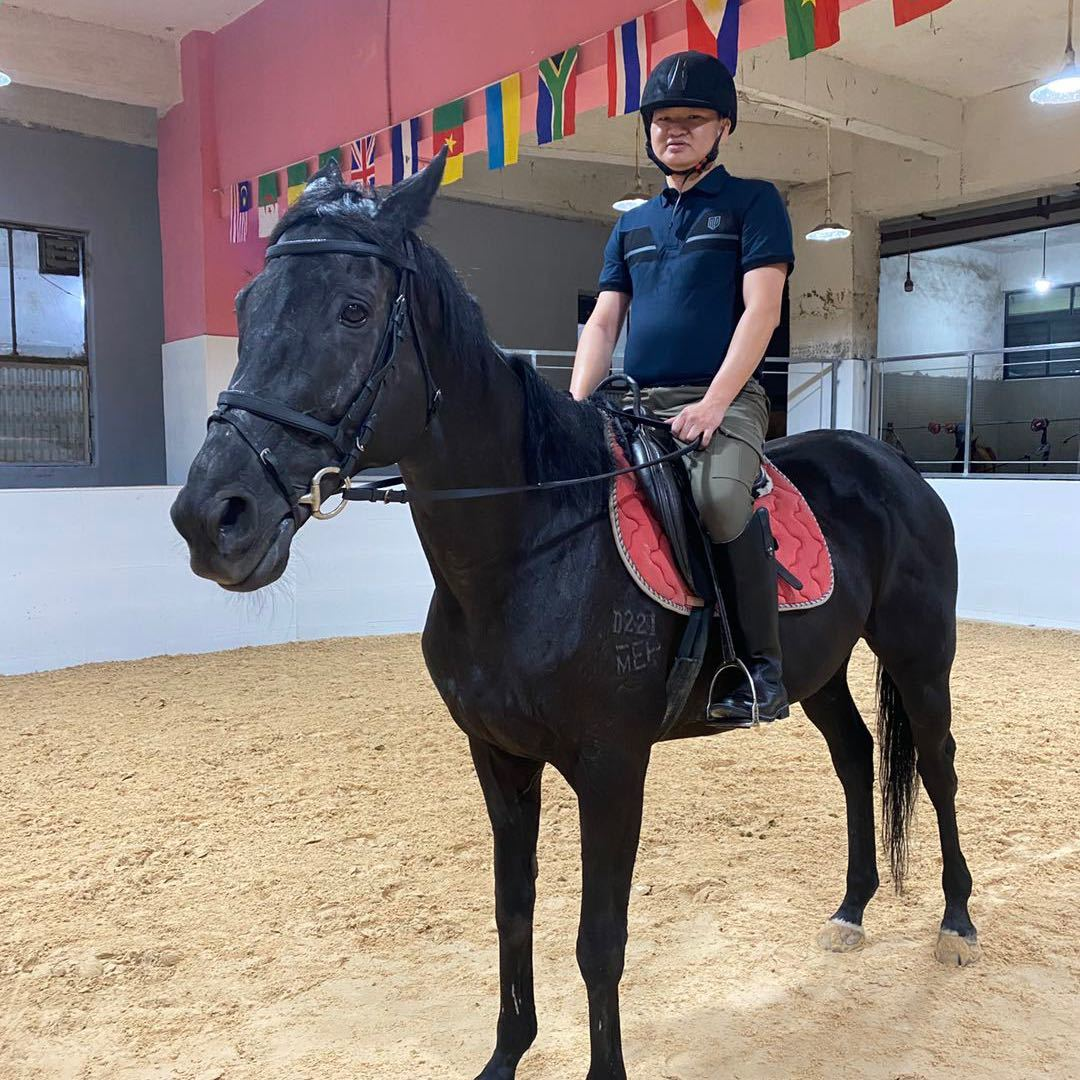
The global equestrian market is galloping forward, and saddle pads have become a surprising star in international trade. Whether you're a seasoned exporter or just entering the arena, staying ahead of shifting trends and buyer demands is crucial. At OpeEquestrian, we've gathered real-world insights to help you navigate this evolving landscape. This guide unpacks the key markets, emerging patterns, and actionable strategies—so you can saddle up with confidence. Ready to discover what's driving the export boom?
Mapping Demand: Where Saddle Pads Are Gaining Ground
Riders in unexpected corners of the world are fueling a quiet surge in saddle pad sales. Beyond the traditional equestrian strongholds of Europe and North America, countries like Brazil, Australia, and South Africa are seeing more riders invest in high-quality pads. The shift isn’t just about protecting a horse’s back—it reflects a growing appetite for gear that combines function with personal style, even in regions where the sport was once a niche pursuit.
E-commerce is broadening access in markets that brick-and-mortar tack shops never fully reached. In parts of Asia and the Middle East, where equestrian sports are gaining cultural momentum, online platforms are making it easier to browse, compare, and order pads from international brands. Meanwhile, local manufacturers are stepping up, producing pads tailored to regional climates and riding disciplines, from endurance in desert heat to polo on tropical turf.
The touring trail-riding community is also reshaping demand. In places like the Pacific Northwest or the Scottish Highlands, riders are choosing pads that can handle hours of damp, variable conditions without chafing. They’re looking for materials that wick moisture and resist bacterial buildup, prioritizing endurance over aesthetics. This practical mindset is nudging brands to create durable, low-profile designs that feel almost invisible under the saddle, a far cry from the flashy trends dominating show circuits.
Materials and Craftsmanship That Set Premium Exports Apart
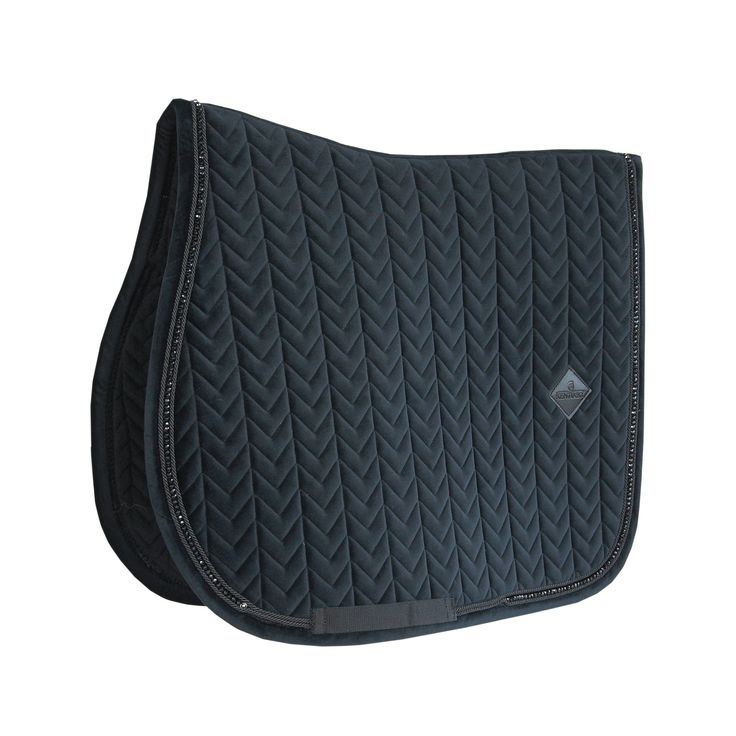
The distinction often lies in the raw inputs. While mass-market goods lean on standardized, cost-efficient stock, premium exports begin with materials sourced for their inherent character. Think of full-grain leather that develops a patina over decades, or solid brass hardware cast using methods unchanged for a century. These are not just components; they are narratives of origin—marble from a single quarry in Tuscany, wool from heritage sheep breeds, or timber reclaimed from old-growth structures. The choice is deliberate, valuing irregularity and depth over sterile uniformity.
Craftsmanship, then, is what transforms these exceptional materials into something greater. It is not merely assembly but a conversation between maker and medium. Master artisans employ techniques that resist automation—hand-turned joinery, hand-stitched seams, or hand-applied finishes that require decades to perfect. Every tool mark, every subtle variation, speaks to hours of focused labor. This is where precision meets instinct, resulting in pieces that feel alive. The human hand imparts a signature no machine can replicate, making each export a singular object rather than a unit of production.
The synergy of material and method creates exports that transcend function. A chair becomes an heirloom; a jacket, a second skin. This approach rejects disposability, instead promising longevity and a deepening bond with use. Owners notice how the product responds to their life—the way wood mellows at touch points, or how a metal clasp smooths with each opening. It is a quiet confidence, an assurance that the item will not just endure but improve. These exports do not shout their quality; they simply outlast trends and expectations, proving their worth through years of silent service.
Navigating Trade Rules and Customs Without the Headaches
Trade rules and customs procedures can feel like a maze of paperwork and unexpected delays. But the real headache isn't just the complexity—it's the randomness of it all. One shipment clears in hours, another gets stuck for weeks, and the reasons often seem arbitrary. The key is to stop treating every shipment as a one-off scramble and instead build a consistent, low-stress routine.
Smart importers and exporters learn to anticipate the friction points. They keep a close eye on product classifications, because a wrong HS code can spiral into audits and fines. They also maintain a living checklist of required documents—not just the obvious ones, but the country-specific oddities that catch you off guard. Over time, this turns chaos into a predictable flow.
Relationships matter more than rulebooks. A trusted customs broker or logistics partner often spots issues before they become crises, smoothing out the wrinkles you'd never notice alone. Pair that with a habit of scanning regulatory updates in your target markets, and you'll sidestep the panic that plagues less prepared traders. It’s less about mastering every detail and more about curating the right support system.
How Rider Preferences Shape Product Design Across Regions
Local tastes aren’t just about aesthetics—they influence everything from seat firmness to throttle response. In markets where long highway stretches are the norm, riders prioritize wind protection and relaxed ergonomics, nudging manufacturers toward fuller fairings and plush suspension tuning. Urban-centric cultures, on the other hand, demand nimble handling and compact dimensions, often resulting in taller seats and sharper steering geometry that make slicing through traffic feel effortless.
Climate and road conditions add another layer. Bikes destined for regions with harsh winters often come with heated grips as standard and corrosion-resistant finishes, while models sold in consistently damp areas might feature more aggressive tire tread patterns and enhanced waterproofing on electronics. Even the placement of footpegs can shift; in countries where loose gravel roads are common, pegs are sometimes reinforced and positioned slightly rearward to give better control when standing. These aren’t checkboxes on a feature list—they’re quiet acknowledgments of how real riders interact with their environment.
Then there’s the less talked about side of preference: sound and sensory feedback. Some cultures adore the mechanical snarl of a turbulent intake, prompting intake designs that amplify induction noise, while others prefer engine decibels kept below a polite murmur. Handlebars, too, get subtly reshaped based on regional feedback—wider and taller where cruising comfort dominates, narrower and lower where lane-splitting agility is prized. It’s a constant, iterative conversation between riders and engineers, one where no detail is too small.
Building a Brand That Resonates in Foreign Markets
Entering a new international market isn't just about translating your tagline—it's about understanding the emotional drivers, cultural taboos, and unspoken expectations that shape how people perceive value. A brand that truly connects goes beyond surface-level localization; it embeds itself in the local narrative, using symbols, stories, and experiences that feel native rather than imported. This demands a deep curiosity about how life is lived, what is celebrated, and what is avoided in daily conversations.
One of the most overlooked aspects is the rhythm of communication. Some markets respond to bold, declarative language, while others favor subtlety and implication. The visual identity must also shift—colors, typography, and even the posture of models in imagery can signal belonging or alienation. The goal is to make your audience say, “This brand gets me,” without them having to explain why. It is in those unspoken moments of recognition that lasting loyalty begins to form.
Trust is built through consistency and humility. Foreign consumers can be skeptical of brands that appear out of place, so forming genuine partnerships with local voices, artisans, or community initiatives demonstrates respect and commitment. Over time, these authentic collaborations transform a brand from an outsider into a familiar and welcomed presence, one that grows with the market rather than simply extracting from it.
Future Shifts in the Global Equestrian Export Landscape
The equestrian export market is quietly reshaping itself beyond the traditional powerhouses. While Europe has long dominated the trade of sport horses and breeding stock, fresh influences are emerging from South America and parts of Asia, where younger demographics and growing disposable incomes are fueling demand for high-performance animals. This isn't just about volume; it's about a deeper shift in expectations—buyers now routinely seek genetic transparency, video-backed performance histories, and health data before a horse ever leaves its country of origin. As a result, exporters who once relied on reputation alone are finding they must adapt or risk being sidelined by those who embrace data-driven, personal vetting processes.
Technology is quietly re-writing the logistics of how horses move across borders. Temperature-controlled air transport, real-time biometric monitoring during flights, and blockchain-verified health certificates are moving from niche to norm. These changes aren't merely convenient—they're expanding the viable radius of trade, allowing a warmblood bred in South Africa to reach a buyer in Dubai with less stress and greater transparency than ever before. Meanwhile, virtual reality is beginning to let overseas buyers evaluate a horse's movement and temperament without a passport and transatlantic flight, a shift that could democratize access to top-tier genetics and reshape entire breeding programs.
Beyond technology and shifting demand, sustainability pressures are starting to leave hoofprints on the export landscape. Concerns over the carbon footprint of equine air freight are prompting some breeders and buyers to explore regional markets more intentionally, favoring shorter shipping routes or even ground transport corridors where possible. Concurrently, there's a quiet rise in the leasing and embryo export model, which sidesteps some of the welfare and environmental costs of shipping adult horses. These emerging patterns suggest a future where the equestrian export map isn't defined solely by the old centers of breeding power, but by a far more interconnected and conscientious network.
FAQ
Focus on material preferences, climate adaptability, and local equestrian disciplines. Different regions favor specific fabrics—some prioritize breathable cotton for hot climates, while others demand durable synthetic blends for rugged use. Understanding these nuances can make or break your market entry.
Europe remains a powerhouse, especially Germany and the UK, due to their deep-rooted equestrian cultures. Meanwhile, North America is seeing a surge in Western riding disciplines, boosting demand for thicker, decorative pads. Emerging markets like Brazil and the UAE are also catching on, driven by rising leisure riding and luxury equestrian events.
In places like France and Italy, understated elegance rules—think neutral tones and minimalist patterns. Conversely, markets such as Mexico and parts of the Middle East lean toward vibrant embroidery and bold colors that reflect regional artistry. Sizing also varies; ponies are popular in some Asian countries, requiring smaller, tailored fits.
Sustainability is a major shift—buyers now seek eco-friendly materials like recycled wool or organic cotton. Technology integration is also rising, with smart pads that monitor horse vitals. Additionally, customizability is key: riders want personalized colors and logos, pushing exporters toward flexible, small-batch production.
Absolutely. Many countries impose strict import duties on textile goods, so misclassifying products can lead to hefty fees. Health certifications for animal-based materials like sheepskin can be a hurdle. Always check bilateral trade agreements—some regions offer preferential tariffs that can boost your competitiveness.
Trade fairs like Spoga Horse and BETA International are goldmines for face-to-face networking. Building a presence on equestrian-specific B2B platforms also helps, but don’t overlook the power of direct outreach to riding schools and clubs. Offering samples with no strings attached can build trust faster than any brochure.
A common blunder is ignoring multilanguage instructions and care labels—this frustrates non-English-speaking retailers. Another is skimping on protective packaging; saddle pads can get scuffed or damp during transit, turning off high-end buyers. Including a branded dust bag adds perceived value and reduces damage claims.
It's transformative. Platforms like Etsy and Amazon allow small artisans to reach global audiences, but competing with mass-produced goods requires sharp branding. Niche sites specializing in equestrian gear can connect you with passionate riders who appreciate quality over price. Social media, especially Instagram, drives trends and direct sales through visually rich storytelling.
Conclusion
Understanding where demand is rising for saddle pads reveals a patchwork of regional preferences, from the burgeoning amateur circuits in Southeast Asia to the enduring dressage strongholds across Europe. Exporters who map these hot spots can tailor inventory, but it’s the materials and craftsmanship that genuinely separate the forgettable from the premium. Hand‑finished edges, high‑density memory foams, and thermoregulating textiles aren’t just cosmetic; they directly impact a horse’s comfort and a rider’s trust, creating loyalty that transcends price wars. Yet even the most exquisite product can stall at borders without a firm grasp of shifting import duties, phytosanitary requirements for natural fillings, and certified eco‑labels now demanded by Scandinavian and North American retailers. Early investment in a customs broker who understands equestrian goods pays for itself in avoided warehouse fees and frustrated distributors.
Design pivots on how riders actually ride—Western competitors want deep contours for roping shocks while English riders obsess over close‑contact profiles and anti‑friction linings, so one‑size‑fits‑all thinking fails. Localised prints, culturally relevant colourways, and subtle branding that aligns with a region’s heritage help a label gain ground without feeling corporate. When that identity is carried consistently through packaging, social media storytelling, and shop‑floor training, it builds a brand that feels authentic to foreign buyers who can spot a hollow marketing campaign instantly. Looking ahead, smart exporters are tracking the integration of sensor‑capable pads that monitor gait asymmetry, the rise of circular manufacturing leasing models, and the quiet influence of climate resilience on pad design—preparing now for what will be non‑negotiable tomorrow.
Contact Us
Contact Person: Keven Tong
Email: [email protected]
Tel/WhatsApp: +86 18666477707
Website: https://www.ope-technology.com