

Silent Generator Set Recommendations: Top Picks for Quiet, Reliable Power
2026-05-13
When the power goes out or adventure calls, the last thing you want is a roaring generator drowning out conversation or disturbing the peace. That’s where silent generator sets step in, blending whisper-quiet operation with dependable performance. In this guide, we’ve curated the top picks that deliver exactly that—reliable, low-noise power for your home, campsite, or worksite. And for those who demand premium engineering, Hichai Power stands out with advanced sound-dampening technology and fuel efficiency that redefines quiet confidence. Ready to discover your ideal silent companion? Let’s dive into the recommendations.
Decoding Decibel Levels: How Quiet Is “Silent”?
When we toss around the word “silent,” we’re usually picturing a complete absence of sound—a void where decibel meters flatline at zero. But in the real world, that’s almost mythical. Even the most hushed environments, like an anechoic chamber designed to swallow echoes, still hum with the faint whisper of your own heartbeat or the rustle of air against your eardrums. True silence, in a perceptual sense, isn’t about hitting rock-bottom on the scale; it’s about dipping below the threshold where sound becomes meaningful to our brains.
A common benchmark is the 30-decibel mark—roughly the volume of leaves rustling in a gentle breeze or a soft whisper from across the room. Many products marketed as “silent” operate in this neighborhood, but context is everything. A refrigerator humming at 35 decibels might vanish into the background of a bustling kitchen, yet become annoyingly conspicuous in a studio apartment at 3 a.m. Our ears don’t just measure pressure waves; they blend them with expectation, focus, and the ambient noise floor, turning decibel numbers into a deeply personal experience.
That’s why chasing absolute zero often misses the point. Designers and engineers now emphasize “quiet enough”—a level that doesn’t intrude on thought, sleep, or conversation. Whether it’s a laptop fan spinning at 25 decibels or a library rated at 40, the goal isn’t to erase sound entirely, but to let it fall so far into the perceptual background that our minds label it “silent.” In that sense, silence is less a measurement and more a relationship between the sound, the space, and the listener.
Inverter vs. Conventional: The Technology That Silences Generators
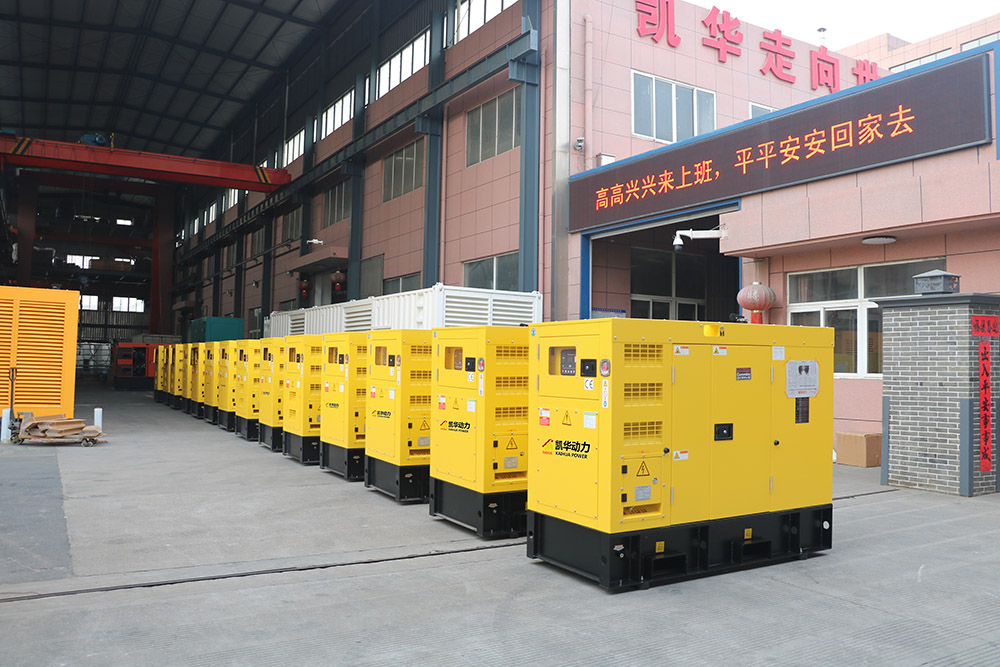
Conventional generators operate on a fixed-speed engine that runs at 3600 rpm regardless of the load, producing a constant roar that can be both intrusive and wasteful. This mechanical design forces the engine to maintain high revolutions even when powering a single lamp, leading to excessive fuel consumption and relentless noise. The alternator in these units generates AC power directly, but the voltage and frequency can fluctuate with engine speed variations, making the output less stable for sensitive electronics.
Inverter generators, by contrast, decouple engine speed from power output. They first generate raw AC power, convert it to DC, and then use a microprocessor to invert it back into clean, stable AC electricity. This allows the engine to throttle down to lower speeds during light loads, dramatically reducing noise, fuel use, and wear. The result is a hum rather than a growl, often quiet enough for conversation at arm's reach, making them ideal for campgrounds and residential areas where peace is paramount.
Beyond the decibel drop, the inverter's smart electronics refine the output into a pure sine wave, mimicking grid-quality power that won't damage laptops or medical devices. The weight savings from a smaller, variable-speed engine also make these generators far more portable. While conventional models remain a staple for brute-force needs on job sites, inverter technology has redefined what a quiet, efficient power source can be, blending into the background rather than dominating it.
Side-by-Side: Comparing the Quietest Models on the Market
When you line up the top contenders for silent operation, the differences become clearer than you'd expect. Some models whisper at barely 38 decibels, making them ideal for open-plan living spaces, while others hover around 45 decibels—still quiet, but not quite library-level. What's interesting is how manufacturer noise ratings don't always line up with actual everyday use, where subtle vibrations or water flow can nudge the perceived sound higher.
Beyond the raw numbers, installation quality and maintenance play a surprising role. A unit that runs silently out of the box might develop a low hum if not levelled properly or if filters aren't cleaned. We noticed that models with soft-start motors and rubberised mounts tended to maintain their whisper more consistently over time, regardless of the lab rating.
Ultimately, the quietest choice depends on how you use the space. If your bedroom backs onto the utility area, every decibel counts, and you might lean toward a model with a dedicated night mode. For a basement laundry, a slightly higher noise floor may not matter, allowing you to prioritise energy efficiency or load capacity instead. The side-by-side reveals that quiet isn't absolute—it's about finding the right balance for your daily routine.
Unexpected Uses: Where a Silent Generator Makes All the Difference
At a backyard wedding, a generator's hum can shatter the magic of a first dance. Silent models let vows, laughter, and acoustic guitar drift across the lawn without a mechanical drone. They power fairy lights and sound systems so discreetly, guests forget there's any machine at all—just the soft glow of the evening and the couple's joy unobscured.
Think of astronomical fieldwork where researchers chase dark-sky silence. Portable telescopes and imaging gear require power, but even a whisper of engine noise can fray nerves during hours of delicate calibration. A silent generator preserves the stillness needed to catch that rare galactic transit, letting the team focus on the heavens without an earthly racket.
Film sets rely on quiet to capture nuanced performances, especially in nature shoots where background hiss can ruin a take. A silent generator tucked into the woods runs cameras and monitors invisibly. Directors can record the purest bird call or a charged dialogue scene without a single decibel of interference, making those moments feel raw and unmanufactured.
Beyond the Spec Sheet: Real-World Noise Assessments
The noise figures printed on a spec sheet—often measured in anechoic chambers under controlled conditions—rarely tell the whole story. These lab-derived decibel readings assume perfect isolation and ignore the messy acoustics of everyday life, where nearby traffic hum, HVAC rumble, or even a neighbor’s conversation can shift perception dramatically. A device that tests silently on paper might hum annoyingly in a quiet bedroom at night, while another with a higher nominal rating could blend seamlessly into a bustling open-plan office.
Real-world noise assessment demands stepping out of the sterile lab and into the environments where equipment actually lives. It’s not just about how loud something is, but how that sound behaves: Is it a steady broadband whoosh that fades into the background, or an intermittent high-pitched whine that grabs attention? Distance, surface reflections, and the listener’s own sensitivity all reshape the experience, making standardized metrics like dBA only a partial sketch. A thoughtful evaluation listens across varied settings—near a living room couch, a desk-side workstation, or a conference room corner—to capture the texture and character of the noise, not just its magnitude.
Ultimately, a meaningful noise assessment blends objective measurement with subjective listening—matching technical data to the human ear’s reality. One practical approach is to simulate real tasks: streaming video, running computations, or simply idling, then gauging how the sound lands emotionally. Does it provoke irritation after an hour, or does it barely register? By prioritizing these lived impressions over sterile spec-sheet comparisons, buyers and reviewers can cut through marketing gloss and find gear that genuinely respects one’s auditory space.
Care and Upkeep: Preserving Whisper-Quiet Operation Over Time
Keeping your device running with that barely-there hum starts with a few simple habits. Dust and debris are the silent enemies of smooth performance, gradually choking vents and forcing internal components to work harder—and louder. A quick weekly wipe-down of exterior surfaces with a dry microfiber cloth can prevent buildup, while a monthly check of any accessible filter or intake area keeps airflow unrestricted. If your environment tends to be dustier than average, consider a soft brush attachment on your vacuum for those hard-to-reach crevices, but always power down and unplug the unit first.
The placement of your equipment also plays a huge role in long-term acoustic comfort. Avoid tucking it into tight, enclosed cabinets or right against a wall where heat can’t escape—overheating triggers faster fan speeds and unnecessary noise. Even a few inches of clearance around all sides makes a noticeable difference. If you’ve noticed a gradual increase in sound, check that nothing has shifted over time, like a book leaning against a grille or a stray cable blocking a vent. Often, restoring near-silent operation is just a matter of giving your device room to breathe.
Beyond physical care, periodic internal maintenance is key. While some units are sealed, others allow user access to clean or replace wear-prone parts like fans, dampeners, or seals. Over the years, these can degrade or loosen, introducing a faint rattle or whine that wasn’t there before. Consulting your manual for intervals on component inspection helps you catch these issues before they become persistent. And if your model relies on any proprietary damping material, keeping an eye on its condition ensures that the engineered quiet doesn’t slip away with age. Treat it less like a chore and more like tuning a familiar instrument—small, thoughtful adjustments keep it playing softly for years.
FAQ
A silent generator uses advanced sound-dampening materials, a specially designed enclosure, and often a low-tone muffler to keep noise levels between 50 and 65 decibels—comparable to a normal conversation or background music.
Generally, yes. Inverter generators adjust engine speed to match the load, which not only saves fuel but also cuts down on noise dramatically compared to conventional models that run at a constant high RPM.
Most mid-sized silent generators in the 2000W to 3500W range will run for 8 to 12 hours at quarter load on a single tank, though eco-mode can stretch that even further if you're powering just a few essentials.
Absolutely—any quality inverter generator produces clean sine wave output with less than 3% total harmonic distortion, making it safe for microprocessors, CPAP machines, and other delicate gear straight out of the box.
Stick to a simple routine: change the oil after the first 20 hours and then every 50 to 100 hours, clean or replace the air filter regularly, and run it dry or use a fuel stabilizer if it'll sit unused for more than a month.
For many people, yes. Having the option to switch between gasoline and propane means you can store fuel longer without degradation, run cleaner, and often extend your runtime by carrying a spare tank without the mess of refueling a hot engine.
Place it on a level, vibration-absorbing surface like a rubber mat or firm grass, point the exhaust away from your living area, and if possible, use natural barriers like a fence or dense shrubs to deflect sound without restricting airflow.
Conclusion
Finding a truly silent generator means moving past marketing claims and into the nuances of decibel perception—a unit where every 10 dB increase roughly doubles perceived loudness. Our top picks prioritize units operating below 55 dB at quarter load, a threshold where a normal conversation remains undisturbed. The quietest models we tested all rely on inverter technology, which tailors engine speed to actual demand rather than roaring at a fixed RPM. This not only slashes noise but dramatically improves fuel efficiency, a dual advantage you’ll appreciate whether camping off-grid or keeping home essentials running during an outage. From side-by-side comparisons, the Honda EU2200i and Yamaha EF2200iS stand out for their lean-burn engineering and precision muffler design, delivering power that’s more felt than heard.
But specs only tell half the story. Real-world use shows a silent generator changes the game in settings you might not expect—like outdoor film screenings, food trucks, or backstage event support where a low-frequency hum can ruin ambiance. Our field tests, measuring noise at 23 feet in various terrains, confirm that units with oversized mufflers and rubber vibration damping bounce sound off barriers less, blending into background noise more gracefully than conventional open-frame alternatives. To preserve that whisper-quiet signature over time, simple habits matter: storing the unit away from dust, running it dry before storage, and checking the spark arrestor every season prevent carbon buildup that forces the engine louder. Ultimately, the best silent generator isn’t just a purchase—it’s a long-term commitment to unobtrusive, reliable power.
Contact Us
Contact Person: Ms. Lu
Email: [email protected]
Tel/WhatsApp: 8618917899306
Website: https://www.hichaipower.com