

Swim Paddles Original Manufacturer Reveals Top Tips for Better Stroke Mechanics
2026-10-17
Every swimmer knows that tiny adjustments in stroke mechanics can lead to massive gains in speed and efficiency. But what if the secret lies in the tool you’re already holding? As the original manufacturer of swim paddles, OCORT has spent years perfecting the gear that helps you feel the water like never before. In this post, we’re pulling back the curtain on the exact tips our engineers and coaches swear by—because better technique isn’t just about training harder, it’s about training smarter.
Catch Flaws That Start Before the Pull
Many lifters treat the pull as the main event, but the moments before it set the tone. If your hips shoot up early or your shoulders drift too far over the bar, the lift is already compromised. A sloppy setup can hide tight hamstrings, a weak brace, or misplaced weight on the toes. Fix those quietly and the pull becomes smoother.
Watch how the bar leaves the floor. If it swings away or your back rounds before the plates even separate, the flaw started before you pulled. Reset your lats, root your feet, and pause just long enough to feel tension build through your whole body. That split-second check catches problems a heavier load will only magnify.
Keeping the Elbow Higher Without Fighting the Water
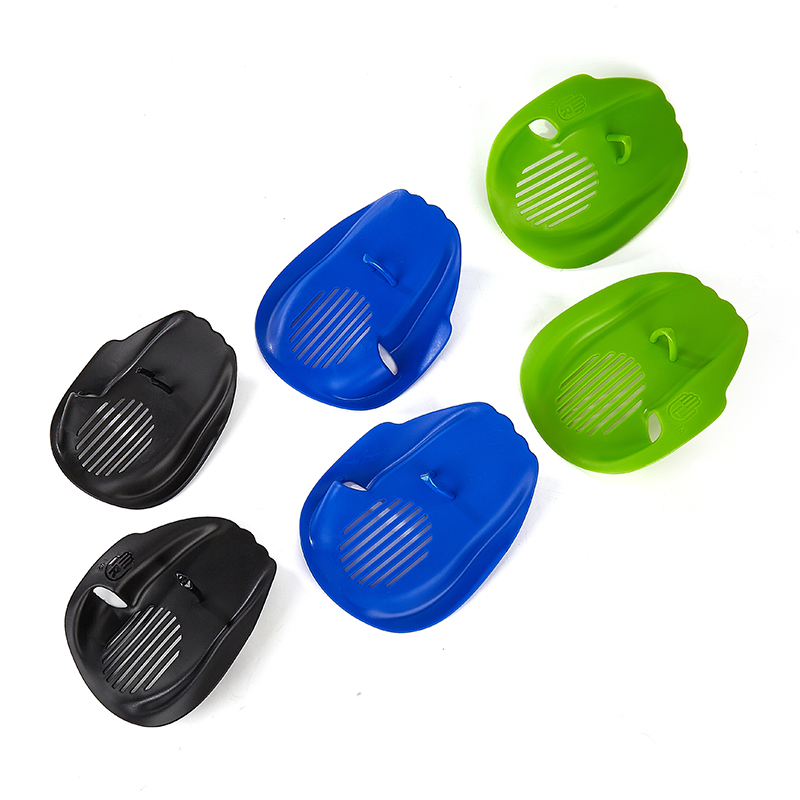
The high elbow position is less about forcing your arm into a shape and more about letting the forearm and hand drop into a catch while the elbow stays near the surface. Many swimmers fight the water by pulling too hard too early. Instead, think of your elbow as a hinge that stays relaxed and high, allowing the water to load gradually against the forearm.
A common mistake is tensing the shoulder to keep the elbow elevated, which only adds drag and wastes energy. Try this during the catch: rotate from the lats and let the elbow drift slightly outward, not upward. You’ll feel the water press against the whole inner arm, not just the hand. The stroke becomes smoother and quieter, without the splashy fight that comes from muscling through.
Why Paddle Size Changes Your Stroke Timing
A bigger paddle blade doesn't just add load—it quietly rewrites when you apply power. With more surface area meeting the water, the catch takes longer to lock in. You're not just pulling; you're waiting for the blade to bite. That delay shifts the entire stroke rhythm, pushing the power phase later into the rotation and leaving less room for a relaxed exit.
Smaller blades flip that timing. They slip through the first few inches of the catch, so you can start applying force almost immediately. That quick bite shortens the gap between entry and pull, which often nudges your cadence up without extra effort. You'll likely take more strokes to cover the same distance, but the timing feels snappier and more forgiving when you're tired or paddling into chop.
Your body's adaptation to that timing shift is the real story. Move from a mid-size blade to a large one and keep trying to hit your old stroke rate, and your shoulders and lats will tire faster because the load arrives later and harder. Let the rhythm lengthen instead—wait for the catch, drive through the midpoint, and don't rush the recovery. Paddle size doesn't just change effort; it changes the metronome you paddle to.
A Simple Distance-Per-Stroke Check for Both Arms
Most swimmers never realize that one arm travels slightly farther than the other on each stroke until they look for it directly. A quick way to expose this imbalance is to count how many strokes it takes to cover a short, fixed distance using only your left arm, then repeat the same distance using only your right. The difference often shows up within the first few lengths.
Do the test in a calm pool where you can keep a steady, relaxed pace. Push off from the wall and swim a single length using just one arm while the other rests at your side, keeping your legs kicking gently for support. Count every full arm cycle, then rest and swim the same length back using the opposite arm alone. Try to match your effort and body position on both passes—no extra kicking or gliding on the second.
If one arm needs two or three more strokes to cover the same distance, that side is likely rushing the pull or losing water at the catch. The fix isn't always dramatic strength work; sometimes it's simply spending a few extra minutes each session on unilateral drills, paying attention to a long, even stroke path on the weaker side. Recheck every couple of weeks and note whether the gap narrows.
How Late Breathing Quietly Ruins Rotation
Late breathing doesn't announce itself with a big splash. It shows up as a small head tilt just before the mouth clears the surface, and that tilt forces the leading arm to pause. The pause happens right when the hips should be finishing their drive to the other side. Instead of a clean hand exchange, the body flattens and the rotation dies for a split second. This half-beat delay repeats every stroke, so what feels like a tiny correction turns into a constant fight against your own timing.
The real damage shows up in the kick and the catch. When the head lingers in the water a fraction too long, the lower body drops to compensate, and the recovering arm swings wide instead of staying low. That wide swing twists the shoulders, and the next pull starts with the elbow already collapsed. Swimmers often blame tired legs or a weak core, but the root cause is the late breath making the torso wait for the air. Over a long set, that waiting period chips away at the stroke rate and makes every lap feel heavier than it should.
To feel the difference, try exhaling fully before the turn of the head, so the inhale happens in the same motion as the hip snap. The breath should be a quick bite of air, not a pause to look around. Once the head returns to neutral before the hand passes the shoulder, rotation stays fluid and the kick can stay narrow. Late breathing is quiet, but fixing it is loud—you'll notice the rhythm lock back in within a few hundred meters.
Matching Paddle Shape to Your Natural Hand Path
Your hand rarely travels in a straight line through a swing—it arcs slightly across your body, and paddle geometry either supports or fights that arc. A wider face with a stubby handle pulls the sweet spot toward your palm, encouraging a whippier, wrist-driven release. An elongated face, on the other hand, extends the lever and lines up with the natural reach of your arm, which suits a shoulder-driven stroke. Pay attention to where the paddle wants to go, not just where you aim it.
Players with compact, brushy mechanics often feel more stable with a standard or wide-body shape, because the mass stays closer to the hand and resists twisting late in contact. If your hand path is long and low-to-high, a longer face gives you a bigger margin for off-center hits without needing to squeeze the grip. A quick shadow swing test tells you more than any spec sheet: if your wrist stays relaxed and you don't have to correct the face angle, the shape is working with your hand path, not against it.
FAQ
They add surface area, so the moment your fingers start to slide forward, the paddle amplifies any wobble. You'll feel the water press harder against your palm, which forces you to set a clean entry instead of crossing the center line.
Going too big too soon. A paddle that extends more than a finger's width beyond your fingertips or wider than your palm by a thumb's length overloads the shoulder. Start with something just slightly larger than your bare hand.
The holes break up suction so the pull doesn't feel stuck. Solid paddles create a vacuum against the palm and can teach you to pull with dead water. Small perforations keep constant pressure while still giving stroke feedback.
Yes, but only if you slow down. The larger blade makes a dropped elbow instantly obvious because the water slips off the outside edge. You have to keep the fingertips lower than the wrist to keep the paddle loaded, which reinforces a high elbow without thinking about it.
Never. Treat them like a drill tool, not your default gear. Two or three sets of 200 meters with a focus on one mechanic is enough. After that, swim bare-handed so your nervous system can transfer the feel.
Backstroke, because people assume paddles are only for freestyle. But a small paddle on your hand during backstroke exposes wrist flick and late entry. The blade catches water early and forces a deeper, smoother pull under the body.
Finish the stroke past your hip before the hand exits. Paddles teach you to release early because the extra load makes your triceps tired. Focus on brushing the thumb against the thigh each stroke, then let the elbow lift naturally.
Conclusion
Working with swim paddles every day has taught us that most stroke problems begin long before the hand actually moves. Catch flaws show up in the first few inches of the entry—if the wrist bends or the palm drifts sideways, the pull is already weakened. A common fix is keeping the elbow higher without fighting the water: think of the forearm as a relaxed paddle, not a lever you have to force down. The size of your paddle also changes stroke timing more than people expect. Large blades slow the catch and force a longer glide, while smaller ones let you hold a quicker turnover. That timing shift can hide or expose rotation issues.
A simple distance-per-stroke check for both arms often reveals imbalances that feel invisible. Count strokes per length, then check whether one arm consistently reaches further or exits sooner. Late breathing quietly ruins rotation; if you inhale after the hand passes the hip, the hips drop and the recovering arm has to swing wide, wasting power. Finally, matching paddle shape to your natural hand path matters more than picking the most popular model. A curved blade suits an S-shaped pull, while a flat one rewards a straight, deep catch. Test both and trust the one that lets you keep a clean line.
Contact Us
Contact Person: Wendy
Email: [email protected]
Tel/WhatsApp: 86 18807398467
Website: https://www.zlfswim.com