

Top 10 Cosmetic Bottles That Elevate Your Daily Beauty Ritual
2026-11-16
Your beauty routine deserves more than a cluttered shelf of mismatched containers. The right cosmetic bottle can turn a simple serum or lotion into a moment of ritual—think weight, texture, and a design that feels intentional. That’s why we’ve rounded up ten standout bottles that do more than hold product; they quietly shape how you experience it. From refillable glass to airless pumps that protect fragile formulas, each pick pairs function with a look you’ll actually want to display. And for those who care about the vessel as much as what’s inside, Imagine Craft Packaging proves that thoughtful design can elevate everyday use.
Bottles That Double as Vanity Art
A well-designed bottle does more than hold liquid; it turns the top of a dresser into a quiet gallery. Glass curves catch morning light, ceramic caps feel like pebbles, and a single amber vessel can anchor an entire shelf.
The appeal lies in the mismatch between function and form. These pieces are meant to be used, yet their silhouettes borrow from sculpture—think blown orbs, ribbed cylinders, and faceted rectangles that look better half-empty. No two sit alike, which keeps the arrangement from feeling staged.
Rotating them with the seasons is part of the ritual. In warmer months, clear glass and citrus-toned liquids keep things airy; when the light turns gray, heavier ceramics and opaque finishes add weight. It is less about decoration and more about letting everyday objects earn their place on the counter.
Pumps, Droppers, and the Satisfaction of the Perfect Dose
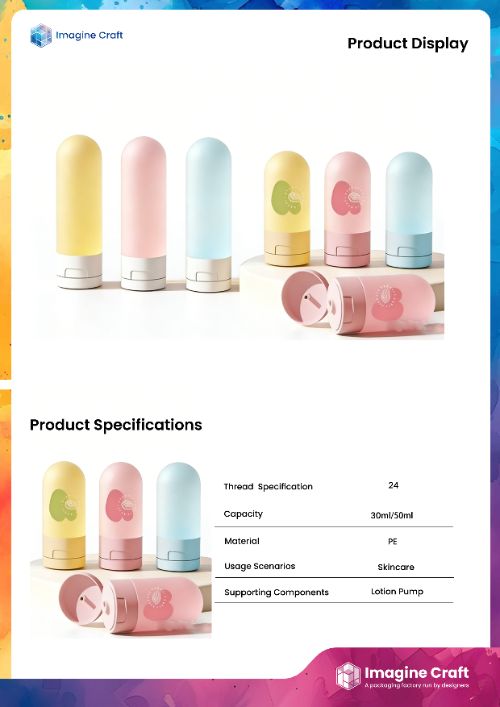
There's a quiet pleasure in pressing down a pump and watching the exact amount of product rise into the chamber, then release with a soft sigh. It's not just about convenience—it's about knowing that each press delivers the same measured amount, no guessing, no spills. That small mechanical repeatability turns a daily routine into a small act of precision.
Droppers offer a different kind of satisfaction. The slow squeeze of the rubber bulb, the way liquid climbs the glass tube, and the controlled fall of each drop feels almost meditative. Unlike pumps, droppers invite you to participate in the dosing—you decide when to stop, when the surface is fully covered, when the last drop has landed exactly where you want it.
Both tools share a common promise: the perfect dose isn't a happy accident. It's the result of thoughtful engineering and the tactile feedback that tells your fingers exactly what's happening. Whether you prefer the one-press certainty of a pump or the drop-by-drop control of a glass pipette, the real reward is that feeling of getting it just right, every single time.
When Weight and Texture Signal Quiet Luxury
The true signal often lives in the hand, not the eye. A jacket cut from dense double-faced wool carries a certain gravity when lifted; it settles on the shoulders with a quiet authority that no printed logo can mimic. The weight of a finely milled cotton twill or a silk crepe de chine tells you something about fiber length, weave density, and the patience of its making. These qualities are not announced—they are discovered, usually by touch, and they reward the wearer over time. Quiet luxury, at its core, is a sensory experience that begins before a single glance.
Texture adds another layer of whispered information. A nubby raw silk, a softly brushed cashmere with just enough loft, a crisp poplin that holds its crease—each carries a distinct grain that speaks to careful sourcing and construction. When most garments have been flattened by industrial speed, encountering a fabric with natural slubs or a subtle irregularity becomes a private pleasure. It signals that someone chose not to over-process, not to standardize, and trusted the material to speak for itself.
Refillable Designs That Outlast Trends
A refillable object changes how you live with it. Instead of throwing away the shell when the ink runs dry or the balm scrapes clean, you keep the weight, the scratches, the small dent from the time it fell out of your bag. A brass lighter gets refilled a hundred times and still sparks the same way. A glass perfume atomizer sits on the dresser for a decade, only its scent changing with the season.
These designs age because they were never meant to be finished. The hinge on a metal compact loosens slightly, the leather sleeve darkens, the ceramic dish wears a faint ring of pigment. That wear isn't a flaw to replace; it's a record. Refillable goods win not by chasing newness but by making the old object worth keeping.
Color Stories That Make Your Shelf Feel Curated
A shelf full of color isn't just about arranging spines in a strict rainbow. The most interesting color stories come from treating your books like a curated palette, where a cluster of deep indigo sits next to warm mustard and a few pale neutrals let the bolder hues breathe. Think less about perfection and more about the mood you want to create when you glance across the room.
Start by pulling similar tones together, but don't be afraid to mix in a single contrasting book to keep the eye moving. A row of sage green covers gains depth when interrupted by a slim burgundy volume, while stacks of cream and beige feel richer with a black-and-white spine tucked in. Then layer in small objects, a ceramic vase, a framed photo, a tiny sculpture, to break up the blocks of color and give the arrangement a lived-in feel.
If you worry that color-coding will make it harder to find a specific title, try a softer approach: color only within each genre or author section, or dedicate just one shelf to an intentional color moment while the rest stays practical. The goal isn't a rigid system; it's a shelf that feels both intentional and personal, like a visual diary of your reading life.
Travel-Friendly Shapes That Keep Rituals Intact
Most travel gear sacrifices texture for toughness, but the shapes that hold ritual objects don’t have to. A shallow, rounded dish barely thicker than a phone slips into a laptop sleeve, yet its slight concave curve still cradles a few drops of oil or a single tea bag the way your palm would. The shape itself is the ritual—no sharp corners to snag, no bulk to justify, just a quiet surface that says the morning pause survived the flight.
Think of a cylinder that unscrews into two nesting halves, each with a flat bottom so they can stand on a hotel desk without wobbling. One half holds a tiny beeswax candle, the other a few matches and a folded piece of sandalwood. When you’re tired, the twist-and-seal motion is almost meditative, and the symmetry means you never have to hunt for a lighter in a strange room. The shape doesn’t mimic home; it simply gives your hands something familiar to do.
There’s also the envelope fold—soft leather or waxed canvas stitched so it lies flat in a backpack but opens into a three-pocket tray for rings, earbuds, and a small vial of lavender. No zippers, no Velcro, just a gentle origami that closes with a single brass snap. Because it packs flat, it never competes for space with your shoes or a paperback. But at night, when you unfold it on the nightstand, its angled corners and stitched seams create a tiny territory that belongs to you, even at thirty thousand feet from everything else.
FAQ
Look for weight, texture, and a pump that doesn't sputter. A slightly frosted glass or a matte ceramic finish can turn a five-second moisturizer step into a small moment of calm. Skip anything that feels flimsy or squeaks when you press it.
Glass, particularly amber or violet glass, adds a quiet elegance and can protect sensitive formulas from light. Anodized aluminum feels cool and modern. Even high-grade PET with a soft-touch coating can surprise you—it's more about the finish than the raw material.
Yes, pumps give you consistent dosing and keep air and fingers out of the product, which matters for actives like vitamin C or retinol. Beyond that, a smooth pump with a short throw feels more precise, so you waste less and rarely over-apply.
It won't change the chemistry, but it can change your consistency. If a bottle is awkward to grip or leaks in your bag, you're less likely to use the product daily. Thoughtful design—like a stable base, a cap that clicks shut, and an angled nozzle—removes small friction points.
Look at the shoulder curve, the label alignment, and whether the cap has a satisfying magnetic or snap closure. Even the dripless tip or a recessed bottom that lets you use every last drop signals that someone thought about how you'd actually interact with it.
If you buy the same serum or lotion repeatedly, a refillable bottle can save plastic and let you keep a container you genuinely like. Many now come with replaceable pumps or twist-off inserts, so you're not stuck with a scratched, sticky bottle after three months.
Prioritize a compact silhouette with a low center of gravity—think a squat pump or a slim dropper bottle. Pair it with a tray in a contrasting texture, and it'll feel curated rather than cluttered. Wall-mounted or stackable setups can also help keep the visual noise down.
A pump lock or a twist-to-close mechanism that survives being tossed in a gym bag or carry-on. When you don't have to worry about a moisturizer explosion, you're calmer before you even open the bottle. It's the kind of detail you notice most when it's missing.
Conclusion
There’s a quiet shift happening on bathroom shelves and vanities: the bottles holding our serums, creams, and cleansers have become part of the ritual itself, not just packaging to be tossed aside. Some designs are so sculptural they double as small pieces of art, catching light on a countertop and making the act of reaching for a moisturizer feel a little more deliberate. Then there’s the mechanical pleasure of a well-made pump or dropper—the smooth resistance, the exact amount released, no mess, no guesswork. It’s a small detail, but one that turns a rushed step into a moment of control. Weight and texture play a larger role than most people expect. A heavier glass bottle with a soft-touch finish or a cool ceramic cap signals quiet luxury in the hand before you even use what’s inside. These are objects meant to be kept, handled, refilled.
Color is another quiet tool. A row of bottles in harmonized tones—muted amber, chalky white, deep green—makes a shelf feel curated rather than cluttered, almost like a still-life arrangement you actually use. And for those who travel often, travel-friendly shapes matter just as much as aesthetics. Squat jars, leak-proof pumps, slim tubes that slip into a dopp kit without sacrificing the ritual—these keep a familiar routine intact away from home. Refillable designs go a step further: they outlast trends, cut down on waste, and invite you to keep the outer shell you love while only swapping the inner cartridge. Across all of these details, the top bottles succeed because they understand that beauty isn’t just about formulas. It’s about the way a cap clicks closed, the weight of the vessel in your palm, and the small pause of reaching for something that feels chosen, not merely bought.
Contact Us
Contact Person: Sunnie
Email: [email protected]
Tel/WhatsApp: +8615818596517
Website: https://www.imagine-craft.com/