

Top Beverage Production Line Supplier: Your Partner for Efficient and Scalable Drink Manufacturing
2026-06-17
Launching a successful beverage brand hinges on more than just a great recipe—it requires a production line that keeps pace with demand while maintaining flawless quality. As a top beverage production line supplier, INTOP Machinery brings together precision engineering and scalable automation to turn ambitious drink concepts into market-ready products. Whether you're scaling up a startup or optimizing an established facility, discover how the right partnership can streamline your entire manufacturing process.
Crafting Drinks at Scale Without the Bottlenecks
Scaling up drink production often feels like a puzzle where every piece you add creates a new friction point. The trick isn't just throwing faster machines at the problem—it's rethinking how ingredients move, how teams communicate, and how space gets used before a single bottle is filled. Many operations stall because they overlook the quiet downtime between steps: the minutes spent waiting for a tank to be cleaned or for a batch of syrup to cool to the right temperature. Mapping out the entire sequence in real time, rather than relying on static checklists, reveals these hidden pauses and lets you smooth them out without a major equipment overhaul.
One approach that consistently pays off is segmenting the line into independent, self-aware zones. Instead of a rigid conveyor-belt mentality, each zone—mixing, carbonating, filling, capping—has the flexibility to temporarily absorb small delays without dragging down the rest of the system. For instance, a smart buffer between blending and bottling lets you keep producing even when labels need to be swapped or a filler head needs a quick rinse. Pair that with modular equipment that can be serviced while the line runs, and the old stop-everything-for-maintenance routine becomes a thing of the past. The key is designing for flow, not just for output per hour on paper.
The human side of scaling matters just as much. When operators can see the entire pulse of the line through a simple dashboard that highlights actual bottlenecks—not just what the manual assumes—they start solving problems before they escalate. Cross-training also breaks the dependency on a single expert for each station, which means a quick coffee spill doesn't halt a whole shift. Combined with a habit of daily huddles where the crew flags minor hiccups that software might miss, this mix of technology and team awareness turns high-volume output from a stressful sprint into a steady rhythm.
Where Automation Meets Artisan Precision
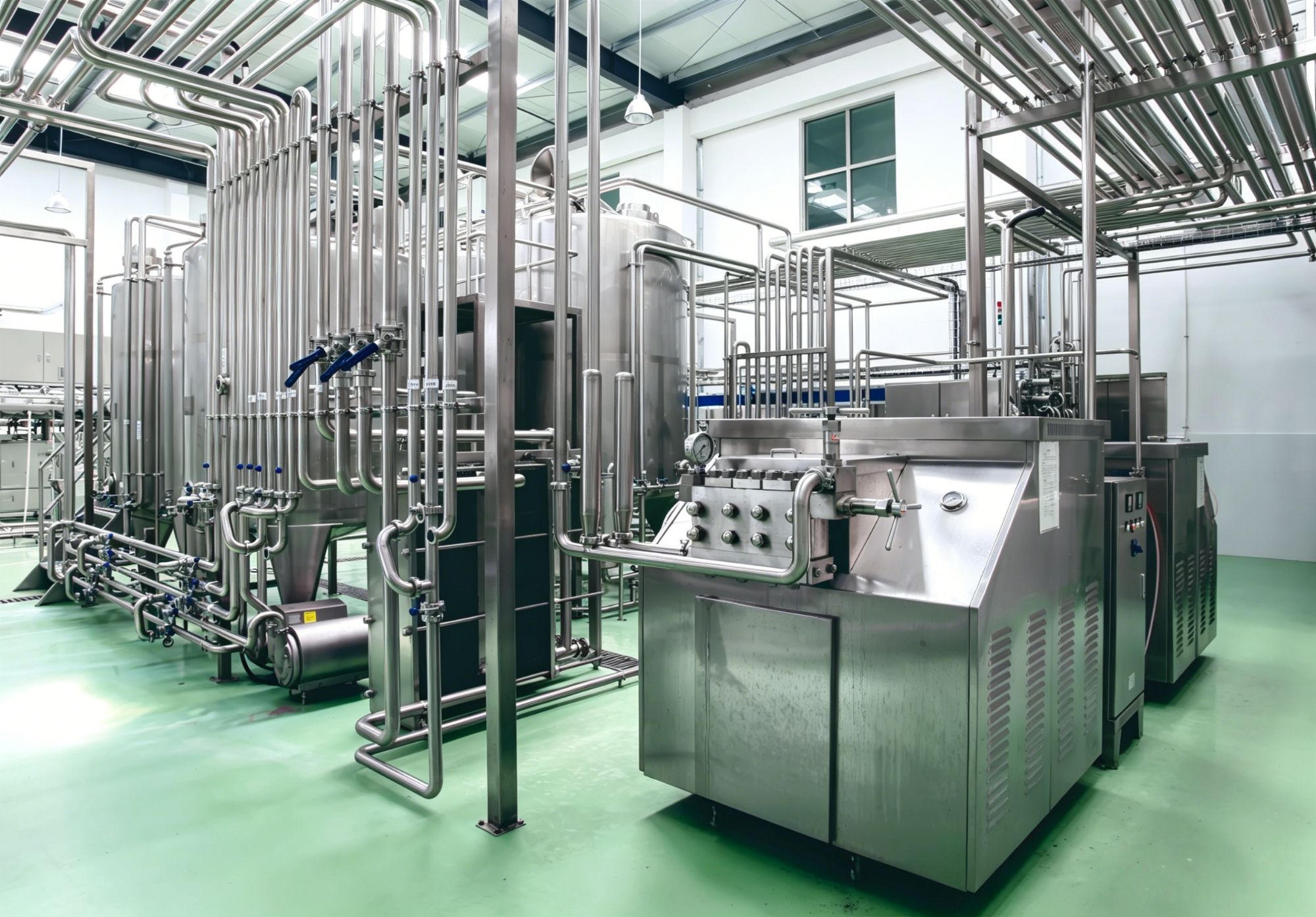
In a world obsessed with mass production, there's a quiet corner where robots don't replace craftsmen—they elevate them. Here, automation handles the repetitive heavy lifting, freeing skilled hands to focus on the details that machines can't replicate. It's a deliberate dance between code and craft, where each step is calibrated to honor the material and the maker.
Precision isn't just about hitting a tolerance; it's about consistency without sacrificing character. Automated systems ensure every curve meets exacting standards while artisans add subtle variations that tell you something human was involved. This isn't about churning out perfect clones—it's about producing objects that feel both impeccable and personal.
The result? Products that carry the soul of handwork with the reliability of modern engineering. From furniture to jewelry, this approach rejects the false choice between efficiency and artistry. It proves that when technology serves tradition, the outcome isn't just made—it's crafted.
Your Blueprint for High-Volume, Low-Waste Production
Getting consistently high output without drowning in waste isn’t just a supply chain pipedream—it’s a discipline rooted in thoughtful process design. The real shift starts when you stop chasing speed for its own sake and start aligning material flow, equipment reliability, and human decision-making. That means mapping every input and output, pinpointing where offcuts, rejected batches, and idle time quietly eat into margins, and engineering those leaks out of the daily routine.
A practical blueprint leans heavily on rhythm over rush. Instead of firefighting bottlenecks, you create pull-based workflows that let each station dictate the pace based on real demand—no excess inventory piling up, no machines running hot just to keep busy. Pair that with quick changeover disciplines and you can switch between product variants in minutes, not hours, shrinking the temptation to overproduce “just in case.”
The final piece is about feedback loops that actually close. Sensors and operator insights feed into a shared dashboard, but the real magic is in how that data drives weekly stand-ups where the team decides on one or two small adjustments—tightening a tolerance, tweaking a mix ratio, rerouting a conveyor. Over time, these micro-improvements compound into a system that churns out volume with the kind of material efficiency that makes accountants smile and sustainability leads nod quietly.
Machinery That Grows with Your Brand
Starting small shouldn’t mean outgrowing your equipment in a year. Our machinery is built with a modular design that lets you add capabilities as your production needs expand. Swap in higher-capacity modules, integrate new automation features, or reconfigure for a different product line—all without ripping out your existing setup.
We’ve engineered every system to learn from your process. Built-in smart sensors track performance in real time, flagging inefficiencies before they become bottlenecks. Over time, the software adapts to your unique workflows, suggesting adjustments that boost throughput and reduce waste—helping your machinery evolve alongside your team’s expertise.
When you launch a new product or scale into new markets, your equipment shouldn’t hold you back. Our flexible changeover system switches between formats and recipes in minutes, not hours. Whether you’re running limited editions or ramping to high-volume output, the same core machinery handles it seamlessly, protecting your initial investment while unlocking new revenue streams.
From Concept to First Pour: Seamless Integration
Turning a rough idea into that first satisfying pour rarely happens by accident. It's the quiet hum of design and process working in lockstep, where every sketch, material choice, and production tweak already anticipates the final moment of release. You stop thinking about stages—brainstorming, prototyping, refining—and start feeling the rhythm of a single, unbroken motion from spark to sip.
The real magic lies in the gaps that never show. When a packaging engineer, a brewer, and a sensory expert don't need to translate each other's worlds because the workflow already speaks one language, that's where friction dissolves. Decisions get made at the right altitude—high enough to keep the vision intact, low enough to catch every detail that might snag on the way to the tap. The first pour becomes a quiet verification, not a grand test.
Built for Continuous Operation, Backed by Real Support
Systems that never sleep demand a design that refuses to compromise. Our hardware is engineered from the ground up to handle round-the-clock workloads without flinching—thermal thresholds are managed aggressively, component redundancy is standard, and every board is validated under stress cycles that mimic years of wear in just a few days. The result isn't just uptime on a spec sheet; it's a quiet confidence that your infrastructure won't let you down when traffic spikes at 3 a.m.
Behind the machines sits a support team that understands your context before you finish explaining the issue. No scripted marathons or ticket limbo—you reach engineers who are familiar with your deployment history and have the authority to solve problems directly. We track patterns across installations proactively, so often you'll hear from us first when a potential glitch is spotted in your specific configuration.
Pairing rugged hardware with genuine human backup changes the way you think about reliability. It's not just about avoiding downtime; it's about knowing that if something unusual does happen, there's a line to someone who treats your uptime as seriously as you do. That alignment removes the dread from maintenance windows and turns long-term partnerships into a natural outcome rather than a sales goal.
FAQ
Our lines integrate adaptive modular design, meaning you can start small and seamlessly add modules as demand grows. This avoids costly full-line replacements and reduces startup risk.
With our pre-configured modules and remote diagnostics, most lines achieve 90% capacity within three weeks of installation, often half the industry average.
Yes, our multi-format fillers switch between still and sparkling products in under 15 minutes, using automatic recipe changeover—no mechanical adjustments needed.
Clients report 30% less water use and 25% lower power consumption compared to conventional lines, thanks to closed-loop CIP and smart pump controls.
We offer lease-to-own options on our compact entry-level lines, and our engineers remotely reconfigure capacity so you can double output without adding square footage.
Every line includes a dedicated process engineer for the first year, plus 24/7 predictive maintenance alerts that catch issues before they cause downtime.
Absolutely, we integrate fillers, labelers, packers, and palletizers in one synchronized system, so you get a single point of accountability from syrup to pallet.
Our inline blending and carbonation units use mass-flow sensors that adjust every millisecond, keeping Brix and CO2 within 0.05% even at 60,000 bottles per hour.
Conclusion
As a leading provider of complete beverage production solutions, the focus is on turning ambitious recipes into consistent, high-volume output without the frustration of delays. Every line is engineered to eliminate the bottlenecks that often plague scaling operations—whether it's blending, carbonating, filling, or packaging. What sets this approach apart is the fusion of advanced automation with the kind of finesse you'd expect from a craftsman. Temperature, pressure, and timing are monitored with absolute precision so that every bottle tastes exactly as intended, batch after batch. It's not just about speed; it's about doing more with less—reducing material waste, optimizing water and energy use, and turning raw ingredients into profit with remarkable efficiency.
Modular design ensures that as your brand expands—into new flavors, larger formats, or different markets—your equipment adapts instead of becoming obsolete. The process itself feels natural: the team handles everything from layout planning and process engineering to the first test run, so you can go from an idea to a chilled bottle in the cooler without getting lost in technical complexity. And once you're up and running, the commitment doesn't end. Machines are built to handle round-the-clock operation, but behind them stands a responsive support network ready with proactive maintenance, spare parts, and technical advice to keep your line moving, year after year.
Contact Us
Contact Person: Laura
Email: [email protected]
Tel/WhatsApp: +86 13957758832
Website: https://www.intopmachinery.com