

Top Hot-Dip Galvanized H-Beam Supplier: A Comprehensive Guide
2026-07-30
When it comes to structural steel that stands the test of time, hot-dip galvanized H-beams are a game-changer. But finding a supplier who delivers both quality and reliability? That’s where many projects stumble. Enter Shunchen steel—a name synonymous with precision engineering and corrosion-resistant excellence. Whether you’re erecting a skyscraper or reinforcing a factory floor, the right partner makes all the difference. In this guide, we’ll unpack what sets top-tier H-beam suppliers apart and why Shunchen steel is leading the charge. Ready to build with confidence?
The Real Advantages of Hot-Dip Galvanizing
Hot-dip galvanizing offers more than just a protective zinc coating; it provides a metallurgical bond that becomes part of the steel itself. Unlike paints or powder coats that simply sit on the surface, the galvanizing process creates a series of zinc-iron alloy layers that are harder than the base steel. This means the coating won’t peel, flake, or crack under impact or abrasion, delivering protection that lasts for decades with zero maintenance—even in the harshest environments.
Another overlooked benefit is the complete coverage it guarantees. Because steel is dipped into a bath of molten zinc, every corner, crevice, and internal surface gets coated—even areas that are impossible to reach with brushes or spray guns. Hollow sections and complex fabrications are fully protected inside and out, eliminating the weak spots where corrosion usually starts. This total encapsulation is a built-in advantage that no other coating method can replicate without significant extra effort.
The aesthetic and economic case is equally compelling. A galvanized finish develops a natural, matte patina over time that blends well in both industrial and architectural settings, requiring no repainting or touch-ups. When life-cycle costs are considered—factoring in initial outlay, maintenance, and eventual replacement—hot-dip galvanizing often emerges as the most cost-effective solution by a wide margin. It’s not just about stopping rust; it’s about eliminating the need to ever think about it again.
How to Identify a Dependable H-Beam Partner
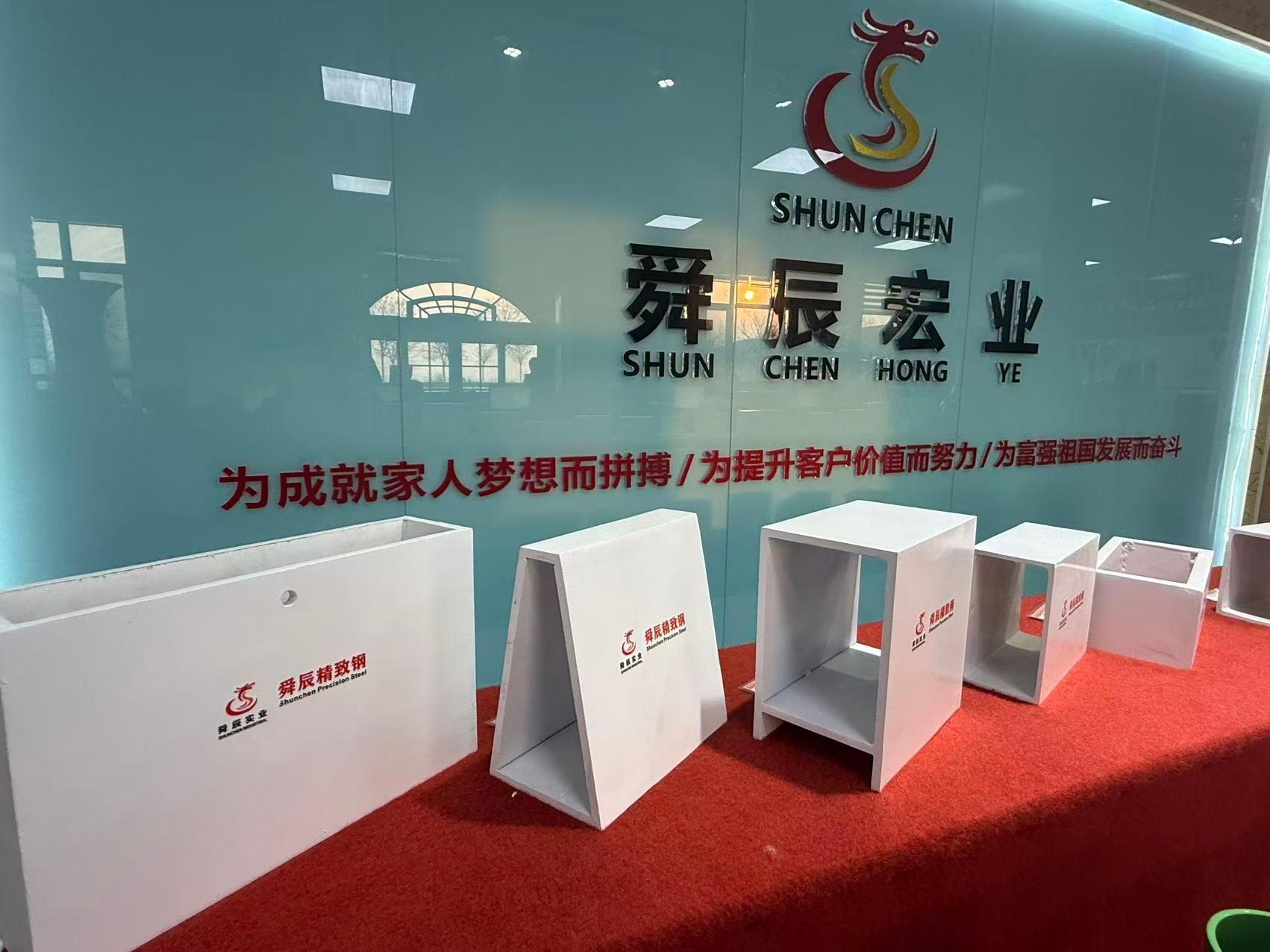
The first sign of a truly dependable H-beam supplier isn’t a glossy catalog or a quick quote—it’s a willingness to walk you through their production process. Look for transparency in sourcing raw materials, mill test reports, and failure testing procedures. A partner worth your trust will share documentation without hesitation, explaining how their beams perform under load, handle fatigue, and resist corrosion in real-world conditions. If they dodge technical questions or can’t produce certifications, it’s a red flag.
Beyond the product, examine their track record for delivery commitments. A reliable H-beam partner doesn’t just promise a timeline—they’ve got the logistics infrastructure and contingency plans to back it up. Dig into how they’ve handled delayed shipments, material shortages, or sudden order changes in the past. Direct references from long-term clients often tell you more than sales rhetoric ever will. Consistency over years, not months, separates the steady suppliers from the one-hit wonders.
Finally, assess their capacity to collaborate on custom requirements. A dependable partner doesn’t resist when you ask for non-standard lengths, specific welding preparations, or unique surface treatments. Instead, they’ll engage with your engineering team, suggest practical adjustments, and clearly communicate what’s feasible within their capabilities. This flexibility, paired with a genuine interest in solving your structural challenges, reveals a supplier who’s invested in the partnership’s long-term success.
Production Methods That Extend Service Life
Modern manufacturing embraces surface treatments like shot peening and laser hardening to embed compressive stresses into metal components. These residual stresses act as a shield, preventing the initiation and spread of micro-cracks under cyclic loading. The result is a tangible leap in fatigue resistance, directly translating to longer operational lifespans for gears, shafts, and structural elements.
In additive manufacturing, optimizing build orientation and post-process heat treatments can drastically alter a part's durability. By aligning layer deposition with principal stress directions and applying hot isostatic pressing to eliminate internal porosity, engineers create components with near-forged mechanical integrity. This approach not only enhances strength but also ensures consistent performance across complex geometries that traditional methods struggle to produce.
Precision in material selection and joining techniques also plays a critical role. For instance, using vacuum brazing instead of conventional welding for high-temperature alloys preserves grain structure and minimizes thermal distortion. Coupled with advanced coating technologies like physical vapor deposition, these methods create a seamless defense against corrosion and wear, significantly pushing the boundaries of service life in harsh environments.
Certifications That Actually Matter
Not all certifications carry the same weight. The ones that truly open doors are those backed by rigorous standards and recognized across your industry. Instead of chasing every badge, focus on credentials that employers actively seek out, such as the PMP for project management, AWS Solutions Architect for cloud roles, or CISSP for cybersecurity. These aren’t just resume boosters—they validate real-world skills through demanding exams and experience requirements.
The value of a certification often lies in its renewal process and community. Look for programs that require continuing education, ensuring you stay current rather than coasting on outdated knowledge. Beyond the exam, strong certifications plug you into networks of professionals and ongoing resources, which can be just as crucial for career growth as the credential itself.
Be wary of trendy, vendor-specific certs that fade with the technology. The ones that endure are typically vendor-neutral, like CompTIA’s A+ for IT fundamentals, or tied to enduring frameworks, such as ITIL for service management. Before investing time and money, talk to people in your target role—they’ll tell you which certifications actually moved the needle in their careers.
Finding the Right Balance Between Cost and Quality
It’s tempting to chase the lowest price or splurge on premium features, but neither extreme usually serves you well. The real skill lies in figuring out where quality makes a tangible difference and where spending more just pads a brand’s margin. Start by identifying the non-negotiables—those elements that directly affect performance, durability, or your daily experience. For everything else, ask whether a mid-tier option or even a basic version will do the job without compromising the overall result. This isn’t about cutting corners; it’s about being deliberate with your resources.
Many people mistake cost for value, paying for bells and whistles they never touch. A practical approach is to weight the long-term impact: an inexpensive item that needs frequent replacement or repair can be far more costly over time than a well-made alternative with a higher upfront tag. On the flip side, some premium products lean heavily on brand cachet rather than genuine craftsmanship. Learn to spot the difference by reading beyond the marketing, checking independent reviews, and asking people who use the product daily. Their unfiltered feedback often reveals whether the extra expense translates into something you’ll actually feel or notice.
Flexibility also plays a key role. A budget stretched too thin in one area might create stress, while an oversized investment can breed frustration if the item doesn’t deliver. Set a rough spending range that feels comfortable rather than a fixed number, and be willing to shift up or down based on what you learn during your search. Sometimes the sweet spot emerges from mixing and matching—pairing a modest core product with one high-impact upgrade, for instance. The goal isn’t perfection but a decision you can feel good about months later, when the initial shine has faded and all that’s left is how well it actually fits your life.
Essential Considerations for Long-Term Performance
Sustaining performance over years demands more than initial robustness. Materials degrade, processes drift, and environmental factors slowly chip away at reliability. A proactive stance—predicting failure points before they manifest—keeps systems running smoothly while avoiding costly downtime. Regular audits of critical components, paired with adaptive maintenance schedules, help bridge the gap between design intent and real-world aging.
One often-overlooked factor is the subtle interplay between operating conditions and component synergy. Even well-engineered parts can underperform if their interactions create unforeseen stress points. Documenting these relationships over time builds a knowledge base that sharpens future designs and troubleshooting. Equally important is fostering a culture where frontline observations feed back into improvement cycles, turning everyday insights into lasting resilience.
Finally, long-term success hinges on balancing innovation with conservatism. Chasing the newest technologies without vetting their endurance can introduce premature obsolescence, while excessive caution stifles progress. Smart organizations run parallel tests, gradually phasing in upgrades while maintaining fallback options. This measured approach preserves operational stability and ensures that the pursuit of longevity never undermines the agility needed to evolve.
FAQ
Hot-dip galvanized H-beams are structural steel beams with a protective zinc coating applied by immersion in molten zinc. They're widely used in construction, industrial framing, bridges, and outdoor structures where corrosion resistance is critical.
The coating bonds metallurgically with the steel, forming layers of zinc-iron alloy that shield the base metal from moisture and oxygen. This sacrificial protection means even scratched areas resist rust, often giving the beam a lifespan of 50 years or more in moderate environments.
A reliable supplier typically maintains consistent coating thickness, offers full traceability of steel grades, and provides detailed test reports. They also tend to have flexible processing capabilities like cutting or drilling to match project specs.
Yes—most reputable products comply with standards like ASTM A123 for the galvanizing coating and ASTM A992 or EN 10025 for the steel itself. Checking for these certifications helps ensure you're getting material fit for structural use.
Absolutely, but it requires proper surface preparation. The zinc layer can cause weld porosity if not handled correctly, so welders often grind back the coating near joints and use low-silicon welding wire. Painting typically needs a primer designed for galvanized metal to ensure adhesion.
Check for uniform coating appearance without bare spots or excessive lumps. A thickness gauge can verify the zinc weight meets the specified class. Also examine ends and edges—these areas are prone to quicker corrosion if under-coated.
Initially, galvanizing might cost a bit more than simple painting, but the absence of maintenance for decades often makes it cheaper in the long run. For exposed structures where painting is difficult or unsafe, the lifecycle cost advantage is significant.
Conclusion
Hot-dip galvanizing brings a layer of resilience to H-beams that paint or simple coatings cannot match. By immersing steel in molten zinc, a bonded alloy forms—actually part of the metal itself—so scrapes and scuffs don't open the door to rust. This sacrificial protection gives beams a lifespan that stretches into decades, even for outdoor structures battered by dampness or chemicals. Choosing a supplier, though, means looking past glossy brochures. A shop worth your time controls every detail: blasting steel clean before it ever hits the bath, maintaining exact zinc temperatures, and cooling with a rhythm that avoids warping. Their process leaves a smooth, even coat that holds up under load, and they'll show you how they manage consistency from one beam to the next. The best ones treat galvanizing as a craft, not just a step, blending practical experience with a real understanding of metallurgy to deliver steel that stays sound where lesser products would quickly fail.
Certifications like ISO 1461 or ASTM A123 genuinely separate rigorous suppliers from the rest, because they demand precise coating thickness and adhesion—stuff you can measure, not just hope for. Yet chasing the lowest sticker price often backfires; skimping on zinc weight or skipping proper surface prep invites corrosion that chews through steel well before its time. Smart buyers weigh upfront cost against the long haul, knowing a few extra dollars now can erase headaches like shutdowns for replacements. Talk honestly with potential partners about your site: coastal salt, factory fumes, or freeze-thaw cycles all demand slightly different specs. A supplier that digs into these details, offers batch traceability, and stands behind their product with data rather than promises builds the kind of trust that turns a transaction into a lasting asset. In the end, the right H-beam partner doesn't just sell you steel—they help you engineer quiet confidence into every structure you raise.
Contact Us
Contact Person: Max Zhou
Email: [email protected]
Tel/WhatsApp: +86 15712216177
Website: https://www.shunchensteelmaterial.com/