

TWEEN Distributor Guide: Mastering Polyoxyethylene Sorbitan Fatty Acid Ester for Industrial Applications
2026-03-12
In the vast world of industrial chemistry, few ingredients are as versatile and indispensable as polyoxyethylene sorbitan fatty acid esters. These remarkable compounds, commonly known as tweens, are the unsung heroes behind countless formulations, from pharmaceuticals to food processing and beyond. But mastering their application isn't just about understanding their properties—it's about unlocking their full potential to drive efficiency, innovation, and quality in your operations. That's where we come in. At POLYKEM, we've spent decades refining the art and science of tween distribution, ensuring that every batch meets the highest standards of purity and performance. Whether you're a seasoned chemist or a newcomer to the field, this guide is designed to equip you with the insights and strategies you need to excel. Join us as we explore the nuances of these powerful emulsifiers, share practical tips for optimal usage, and reveal how partnering with the right distributor can transform your industrial applications. Let's dive in and discover what makes polyoxyethylene sorbitan fatty acid esters truly extraordinary—and how you can leverage their power to achieve remarkable results.
Unveiling the Versatility of Polyoxyethylene Sorbitan Fatty Acid Esters in Industrial Settings
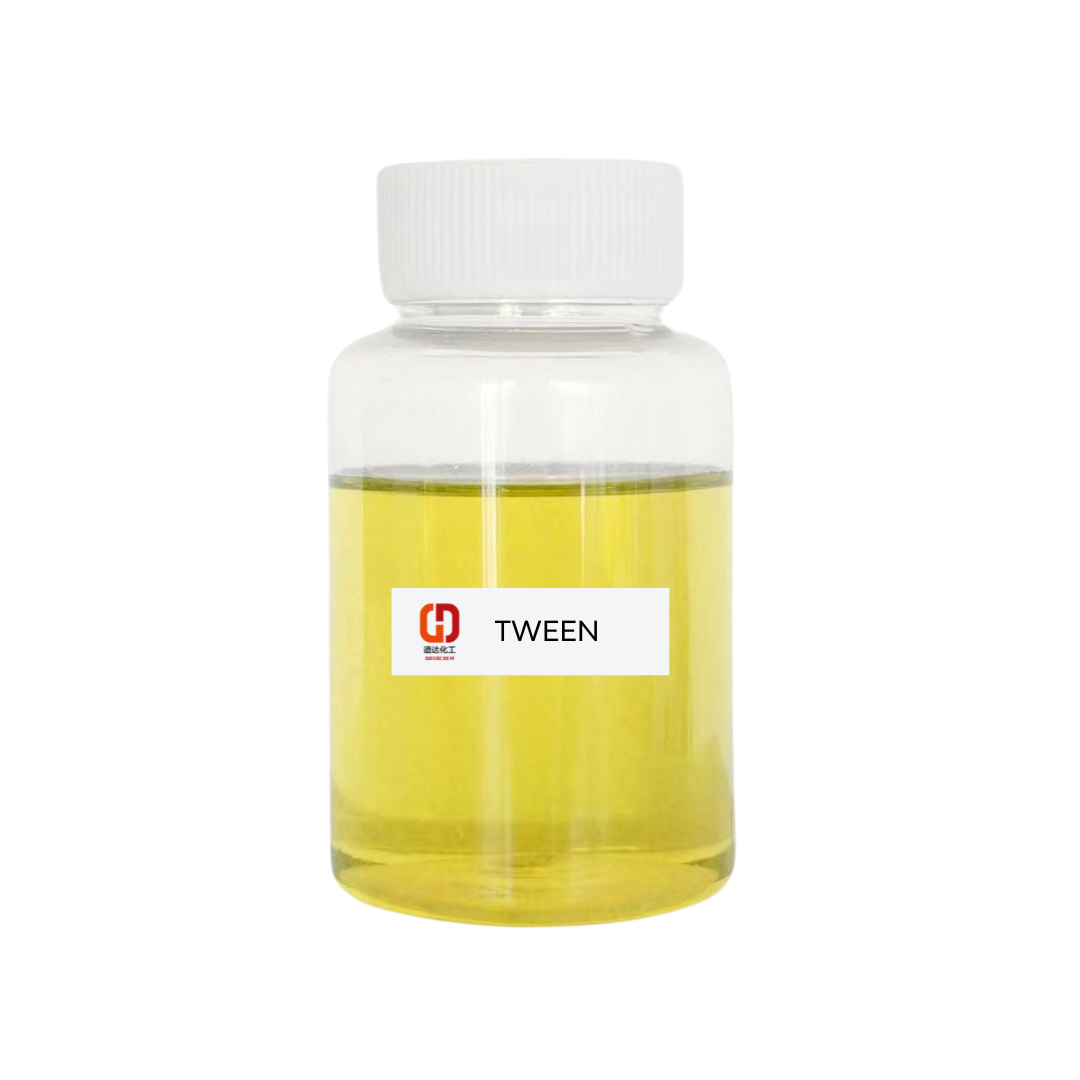
Polyoxyethylene sorbitan fatty acid esters, often marketed under trade names like Tween, are synthetic surfactants that have quietly transformed numerous industrial processes. Their amphiphilic nature—combining hydrophilic and lipophilic properties—makes them remarkably adaptable, allowing them to dissolve in both water and oils to stabilize emulsions, wet surfaces, and disperse particles. In manufacturing sectors, these esters serve as unsung heroes, enhancing the efficiency and consistency of products from paints and coatings to pharmaceuticals and food items. By reducing interfacial tension, they enable smoother formulations that are less prone to separation, which is critical for maintaining product quality during storage and application.
What sets these compounds apart is their tunable structure, which can be tailored through variations in the fatty acid chain and the degree of ethoxylation. This customization grants industries the flexibility to fine-tune properties like solubility, viscosity, and stability to meet specific needs. For instance, in agriculture, formulations of pesticides and herbicides leverage their emulsifying power to ensure even coverage on crops, while in textiles, they assist in dyeing processes by improving color penetration. Moreover, their low toxicity and biodegradability make them preferred choices in environmentally conscious applications, aligning with modern sustainability goals without compromising performance.
Beyond their functional roles, polyoxyethylene sorbitan fatty acid esters contribute to cost-effectiveness in industrial operations. By improving process yields and reducing waste, they help companies streamline production and enhance resource utilization. As industries continue to innovate, these versatile esters are finding new niches, such as in nanotechnology for nanoparticle synthesis and in personal care products for gentle cleansing. Their enduring relevance underscores how a simple molecular design can underpin complex industrial advancements, making them indispensable tools in the global market.
Essential Formulation Techniques for Maximizing Emulsification Efficiency
To achieve peak emulsification efficiency, it's crucial to focus on selecting the right emulsifiers based on the specific oil and water phases involved. For instance, using a combination of high HLB and low HLB surfactants can create stable emulsions by balancing hydrophilic and lipophilic properties, tailoring the mix to your exact formulation needs. This approach not only enhances droplet dispersion but also minimizes coalescence, ensuring a smoother, more consistent product without relying on generic, one-size-fits-all solutions.
Another key technique involves optimizing the mixing process through controlled energy input and shear rates. By employing methods like high-pressure homogenization or rotor-stator systems, you can fine-tune droplet size and distribution, which directly impacts emulsion stability and texture. A gradual increase in mixing intensity, paired with precise temperature control, helps prevent phase separation and yields a more robust emulsion that stands out in performance tests and real-world applications.
Additionally, incorporating additives such as stabilizers, thickeners, or co-emulsifiers can significantly boost emulsification efficiency. For example, adding a small amount of a gum or polymer can improve viscosity and provide a protective barrier around droplets, reducing breakdown over time. This strategic use of ancillary ingredients, coupled with careful monitoring of pH and ionic strength, allows for the creation of emulsions that not only meet but exceed industry standards in durability and quality.
Navigating Quality Standards and Regulatory Compliance in Production
Ensuring your production line meets stringent quality standards and regulatory requirements isn't just about ticking boxes; it's a strategic move that can set your business apart in today's competitive market. Imagine a scenario where every component is meticulously checked, not only to avoid costly recalls but to build a reputation for reliability that customers trust. This proactive approach transforms compliance from a burden into a powerful tool for innovation, driving efficiency while safeguarding against legal pitfalls.
Dive deeper, and you'll find that navigating these frameworks involves more than just adhering to static rules. It's about integrating dynamic systems that adapt to evolving regulations, such as those in pharmaceuticals or automotive sectors, where a minor oversight can lead to significant consequences. By embedding quality control into every stage of production, from raw material sourcing to final testing, companies can foster a culture of continuous improvement, ensuring products not only meet but exceed expectations, thereby enhancing market positioning.
Ultimately, mastering quality and compliance means looking beyond mere certification to create a seamless workflow that anticipates challenges. Leveraging advanced technologies like real-time monitoring and data analytics can provide actionable insights, making the process more intuitive and less reactive. This forward-thinking mindset not only minimizes risks but also opens doors to new opportunities, empowering teams to deliver superior products efficiently and responsibly.
Innovative Applications in Cosmetics, Pharmaceuticals, and Food Industries
From cutting-edge skincare formulations that harness the power of biotechnology to deliver targeted anti-aging effects, to pharmaceutical advancements utilizing nanotechnology for more efficient drug delivery and reduced side effects, innovation is reshaping these sectors. In the food industry, startups are creating novel ingredients like algae-based proteins and lab-grown meats, offering sustainable alternatives to traditional products while catering to evolving consumer demands for health and environmental consciousness.
Beyond product development, innovations extend to personalized solutions enabled by AI and data analytics. In cosmetics, this means tailored skincare routines based on genetic testing, while pharmaceuticals leverage precision medicine to customize treatments for individual patients. Food companies are experimenting with smart packaging that monitors freshness or apps that provide nutritional insights, enhancing user experience and safety across all three industries.
Collaborative efforts between these sectors are also fostering cross-pollination of ideas, such as using bioactive compounds from food waste in cosmetic serums or repurposing pharmaceutical research for functional foods that boost immunity. This synergy not only drives economic growth but also addresses global challenges like waste reduction and health improvement through integrated, forward-thinking approaches.
Optimizing Storage and Handling for Enhanced Product Stability
Effective storage and handling practices are crucial for maintaining product integrity over time, ensuring that items remain safe, functional, and reliable from manufacturing to end use. By implementing tailored protocols, companies can mitigate risks associated with environmental factors such as temperature fluctuations, humidity, and physical stress, which often lead to deterioration or failure. For instance, storing sensitive electronics in climate-controlled environments prevents overheating and moisture damage, while proper packaging for fragile goods reduces breakage during transit, directly contributing to extended shelf life and customer satisfaction.
In the pharmaceutical industry, optimizing storage goes beyond mere temperature control; it involves strict adherence to regulatory guidelines like Good Storage Practices (GSP) to preserve potency and prevent contamination. Handling procedures, such as using automated systems for drug distribution, minimize human error and exposure to adverse conditions, thus enhancing stability and compliance. Similarly, in the food sector, advanced refrigeration techniques and real-time monitoring systems allow for precise management of perishable items, reducing spoilage and ensuring freshness upon delivery.
Innovative approaches, such as incorporating IoT sensors in storage facilities, enable proactive adjustments to environmental parameters, continuously safeguarding product quality. This dynamic optimization not only boosts stability but also supports sustainability efforts by reducing waste and resource consumption. Ultimately, a focus on refined storage and handling strategies fosters trust among consumers and partners, proving essential in competitive markets where product consistency and safety are paramount.
Future Trends and Emerging Technologies in Surfactant Development
Surfactant innovation is increasingly shifting toward green chemistry, with researchers and industries focusing on renewable feedstocks like plant oils and agricultural waste. This move isn't just about reducing environmental impact; it's driving breakthroughs in biodegradability and non-toxic formulations that meet stringent global regulations. For example, sugar-based surfactants are gaining traction for their mildness and eco-friendly profile, while novel enzymes are being harnessed to create tailored molecules with enhanced performance in cleaning and personal care applications.
Digital tools are revolutionizing surfactant development, enabling more precise and efficient design processes. Computational modeling and AI-driven simulations allow scientists to predict molecular behavior and interactions before synthesis, slashing trial-and-error timelines. This accelerates the discovery of surfactants with specific properties, such as improved stability in harsh conditions or targeted delivery in pharmaceutical systems. By integrating these technologies, companies can customize solutions faster, responding to niche market demands, like surfactants for advanced materials or sustainable agriculture.
Beyond traditional uses, emerging applications are pushing surfactant boundaries into high-tech fields. In areas like nanotechnology and biomedicine, surfactants are being engineered to act as stabilizers for nanoparticles or as carriers in drug delivery, enhancing efficacy and safety. Meanwhile, in energy and electronics, smart surfactants that respond to stimuli like pH or temperature are opening doors for adaptive materials and more efficient processes. This diversification highlights how surfactant development is evolving from a supporting role to a key driver of innovation across industries.
FAQ
The guide centers on providing detailed insights and practical strategies for effectively handling and distributing polyoxyethylene sorbitan fatty acid esters in industrial settings.
It offers advanced techniques for application tailoring, including blending methods and compatibility checks to enhance product performance across various industries.
Applications span from pharmaceuticals and cosmetics to food processing and agricultural chemicals, highlighting specific formulation tips for each sector.
Quality control is critical to maintain consistency, prevent contamination, and ensure regulatory compliance, with the guide outlining best practices for testing and storage.
It tackles issues like temperature sensitivity during transport, shelf-life management, and adapting to changing market demands for sustainable solutions.
The guide includes troubleshooting sections and case studies to help distributors provide expert advice, reducing product misuse and boosting client satisfaction.
Conclusion
The TWEEN Distributor Guide provides a comprehensive exploration of polyoxyethylene sorbitan fatty acid esters, highlighting their versatility across industrial settings. These surfactants are essential for emulsification, with formulation techniques focusing on maximizing efficiency by fine-tuning molecular structures to achieve stable emulsions. The guide emphasizes navigating quality standards and regulatory compliance, ensuring products meet safety and performance benchmarks in various sectors, from cosmetics to pharmaceuticals and food industries. By integrating these aspects, distributors can better understand the critical role of TWEEN products in enhancing product stability and functionality.
Innovative applications in industries such as cosmetics, pharmaceuticals, and food demonstrate the broad utility of these esters, enabling advancements in product development and consumer satisfaction. Optimizing storage and handling is crucial for maintaining product integrity, as improper conditions can compromise stability. Looking ahead, the guide discusses future trends and emerging technologies in surfactant development, anticipating shifts towards more sustainable and efficient formulations. This forward-thinking approach helps distributors stay competitive, leveraging new innovations to meet evolving industrial demands and drive growth in a dynamic market.
Contact Us
Contact Person: Levi
Email: [email protected]
Tel/WhatsApp: +86 532 84688720
Website: https://www.polykem-intl.com