

Water Flow Detectors in China: Enhancing Efficiency and Monitoring Systems
2025-12-31
In the vast expanse of China's evolving infrastructure, the role of water flow detectors has become increasingly pivotal—not just as tools, but as transformative elements in enhancing efficiency and fortifying monitoring systems. These devices, often overlooked, are now at the forefront of a silent revolution, shaping how industries manage resources and respond to challenges. At the heart of this innovation lies DRIFCO, a brand that has redefined precision and reliability in the field. Imagine a world where every drop of water is accounted for, where leaks are detected before they escalate, and where data flows as seamlessly as the rivers themselves. This blog delves into how China is harnessing these technologies to build a smarter, more sustainable future, with DRIFCO leading the charge. Join us as we explore the cutting-edge advancements and real-world impacts that are setting new benchmarks in water management.
Understanding Water Flow Detectors: Basic Functions and Applications in China
Water flow detectors are devices designed to measure the movement of water in various systems, such as plumbing, irrigation, or industrial processes. They typically work by using sensors like turbines or ultrasonic transducers to detect flow rates, providing crucial data for monitoring water usage, preventing leaks, and ensuring efficient operations. In China, these detectors have become increasingly important due to the country's focus on water conservation and smart infrastructure development, with widespread adoption in urban water supply networks.
The applications of water flow detectors in China extend across multiple sectors, including agriculture, manufacturing, and public utilities. For instance, in agricultural settings, they help optimize irrigation systems by tracking water distribution, reducing waste in water-scarce regions. In manufacturing plants, these devices monitor process water to maintain quality control and comply with environmental regulations, while in public water systems, they aid in leak detection and demand forecasting, supporting sustainable urban planning.
This technology aligns with China's broader initiatives, such as the 'Sponge City' projects and green development policies, which aim to enhance water management and resilience. By integrating water flow detectors with IoT and data analytics platforms, Chinese cities are improving real-time monitoring capabilities, leading to more responsive and adaptive water networks that better serve growing populations and industrial needs.
Technological Innovations in Chinese Water Flow Monitoring Devices
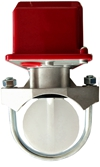
In recent years, Chinese researchers have pioneered innovative technologies in water flow monitoring devices, significantly enhancing accuracy and efficiency. By integrating advanced sensors and IoT systems, these devices now offer real-time data transmission and remote control capabilities. This has revolutionized water resource management, enabling better monitoring of rivers, lakes, and urban water networks with minimal manual intervention.
Further advancements include the development of AI-driven analytics and machine learning algorithms that predict flow patterns and detect anomalies. These smart systems can alert authorities to potential issues like leaks or pollution before they escalate, improving environmental protection and operational safety. Such innovations have not only boosted domestic water management but also gained international recognition for their reliability and cost-effectiveness.
Additionally, many Chinese companies are focusing on sustainability by utilizing solar-powered and low-energy components in their devices, reducing the environmental impact of long-term monitoring. This approach aligns with global green initiatives and ensures continuous operation in remote areas, making China a key player in the global water conservation technology market.
Benefits of Advanced Flow Detectors for Industrial and Municipal Systems
Advanced flow detectors are revolutionizing the way industries and municipalities manage fluid systems. These devices offer enhanced accuracy and reliability, minimizing disruptions and improving operational efficiency. By detecting minute changes in flow rates, they help prevent costly leaks and equipment failures, ensuring smoother daily operations and reducing maintenance overhead.
In municipal settings, these detectors play a crucial role in water distribution networks, enabling better control over resource usage and early detection of anomalies like pipe bursts or contamination. This leads to significant cost savings and improved public safety by allowing for rapid response to potential issues, all while supporting sustainable water management practices.
Moreover, the integration of smart technologies in advanced flow detectors allows for real-time data monitoring and predictive analytics. This not only boosts system performance but also provides valuable insights for long-term planning and optimization, making them indispensable tools for modern infrastructure management.
Case Studies: Successful Implementations Across Various Sectors
In the competitive landscape of business, real-world case studies stand out as compelling evidence of effective strategies in action. For instance, a mid-sized retail chain in the UK demonstrated remarkable growth by adopting a data-driven approach to inventory management, leading to a 15% reduction in stockouts and a 20% increase in sales over a single fiscal year. This example highlights how tailored solutions can yield significant results, even in traditional sectors undergoing digital transformation.
Moving beyond commerce, the healthcare sector offers powerful stories of innovation. A hospital network in Australia implemented a predictive analytics system that improved patient outcomes by 30% through early detection of critical health issues and optimized resource allocation. By focusing on specific challenges and measurable goals, these implementations show the universal applicability of strategic planning and technology integration across diverse fields.
In the realm of non-profits, a global environmental organization leveraged community engagement platforms to boost volunteer participation by 50% in conservation projects, enhancing both operational efficiency and public impact. These varied examples underscore the importance of customizing approaches to each sector's unique needs, proving that success is not confined to any single type of organization.
Maintenance and Calibration Practices for Reliable Performance
To ensure reliable performance over time, adopting a consistent maintenance routine is essential. This involves regular inspections of key components, such as cleaning filters or checking for wear and tear in moving parts. By addressing minor issues proactively, you can prevent major breakdowns and extend the lifespan of your equipment, making it a cost-effective practice in the long run.
Calibration is equally crucial, as it verifies that instruments and systems operate within specified accuracy ranges. For example, in precision tools, periodic calibration against known standards ensures that measurements remain trustworthy and consistent. Neglecting this step can lead to errors in data or output, undermining the reliability of your entire setup. Set a schedule for calibration based on manufacturer recommendations or usage intensity to maintain optimal performance.
Integrating these practices into your workflow not only boosts reliability but also enhances safety and efficiency. Train staff on proper techniques to foster a culture of care, and document all maintenance and calibration activities for traceability. This holistic approach helps adapt to changing conditions and ensures your systems perform reliably under varying demands.
Future Trends and Developments in China's Water Management Solutions
As China embraces sustainable growth, water management solutions are shifting toward integrated, technology-driven approaches that prioritize both efficiency and environmental harmony rather than merely addressing scarcity.
Innovations like smart grids for real-time monitoring, AI-powered leak detection systems, and the use of blockchain for transparent water rights trading are set to redefine how resources are allocated and conserved across urban and rural areas.
Looking ahead, this transformation could position China as a global leader in water innovation, potentially influencing policies worldwide and fostering new partnerships focused on long-term resilience and equitable access.
FAQ
Water flow detectors in China enhance water management by providing real-time data on consumption and leaks, enabling proactive maintenance and reducing resource wastage.
Recent tech advances, like IoT integration and AI-based analytics, have made detectors more accurate and efficient, supporting smarter monitoring systems across urban and rural areas.
Challenges include varying infrastructure standards, high installation costs in remote areas, and the need for skilled personnel to maintain systems effectively.
By optimizing water usage and detecting leaks early, these detectors help conserve water resources, lower energy consumption in treatment plants, and reduce environmental impacts.
They're often part of broader smart city networks, linking with sensors for weather and pollution data to create comprehensive urban management platforms.
Policies such as water conservation targets and funding incentives drive adoption, while standards ensure devices are reliable and interoperable.
They monitor flow rates and levels in real-time, providing early warnings for floods and aiding in efficient response and evacuation planning.
Expect more AI-driven predictive maintenance, widespread use of low-cost sensors, and expansion into agricultural and industrial sectors for comprehensive water management.
Conclusion
China's adoption of water flow detectors marks a transformative shift in managing water resources, with these devices serving as critical components in both industrial and municipal systems. Understanding their basic functions reveals applications ranging from leak detection in pipelines to optimizing irrigation in agriculture. Technological innovations, such as IoT integration and real-time data analytics, have enabled more precise monitoring, reducing waste and enhancing operational efficiency. These advancements not only improve resource management but also support sustainable practices by providing accurate data for informed decision-making.
The benefits extend across various sectors, as illustrated by successful case studies in manufacturing, urban water supply, and environmental protection. Advanced detectors contribute to cost savings, reduced downtime, and better compliance with regulations. Maintenance and calibration practices ensure reliable performance, while future trends point toward AI-driven predictive models and smart water grids. Overall, China's focus on enhancing efficiency through these monitoring systems demonstrates a commitment to modernizing infrastructure and addressing water scarcity challenges in an increasingly digital era.
Contact Us
Contact Person: George
Email: [email protected]
Tel/WhatsApp: 13863633883
Website: https://www.es-fire.com