

Wholesale DC Fuse Buying Guide for Reliable Circuit Protection
2026-08-31
Buying DC fuses in bulk is rarely as simple as matching amps and voltage. One overlooked spec can turn a supposed bargain into a fire risk inside a solar array or battery cabinet. This wholesale buying guide cuts through the confusion, focusing on the details that deliver reliable circuit protection—and shows why ETEK is trusted by buyers who order by the pallet, not the piece.
Pin Down Voltage and Current Specs Before You Pay
A matching plug and a snug physical fit can lull you into thinking any old power supply will do. That is exactly how devices get fried. Voltage needs to be an exact match or within the narrow window printed on the label, otherwise you are sending too much or too little pressure through the circuit. A 19V laptop brick plugged into a 12V router might fire it up briefly before something pops.
Current is the spec people get wrong in the opposite direction. The device draws what it needs, so a supply rated for more amps is fine. A supply rated for fewer amps will overheat, sag, or shut down under load. Read the fine print on the original adapter or the device itself, not just the marketing copy. If a gadget says 12V 2A, a 12V 3A replacement is safe, but a 12V 1A is a slow-motion failure waiting to happen.
Also pay attention to polarity if you are dealing with barrel connectors. Center-positive and center-negative are not interchangeable, and some cheap adapters flip the symbol without making it obvious. Then there is the startup surge: motors, pumps, and LED arrays can briefly pull double their running current. If you are sizing a supply for something like that, leave at least 20 to 30 percent headroom above the printed current draw, or the inrush will trip the protection circuit every time you power it on.
Breaking Capacity: The Spec That Prevents Catastrophic Failures
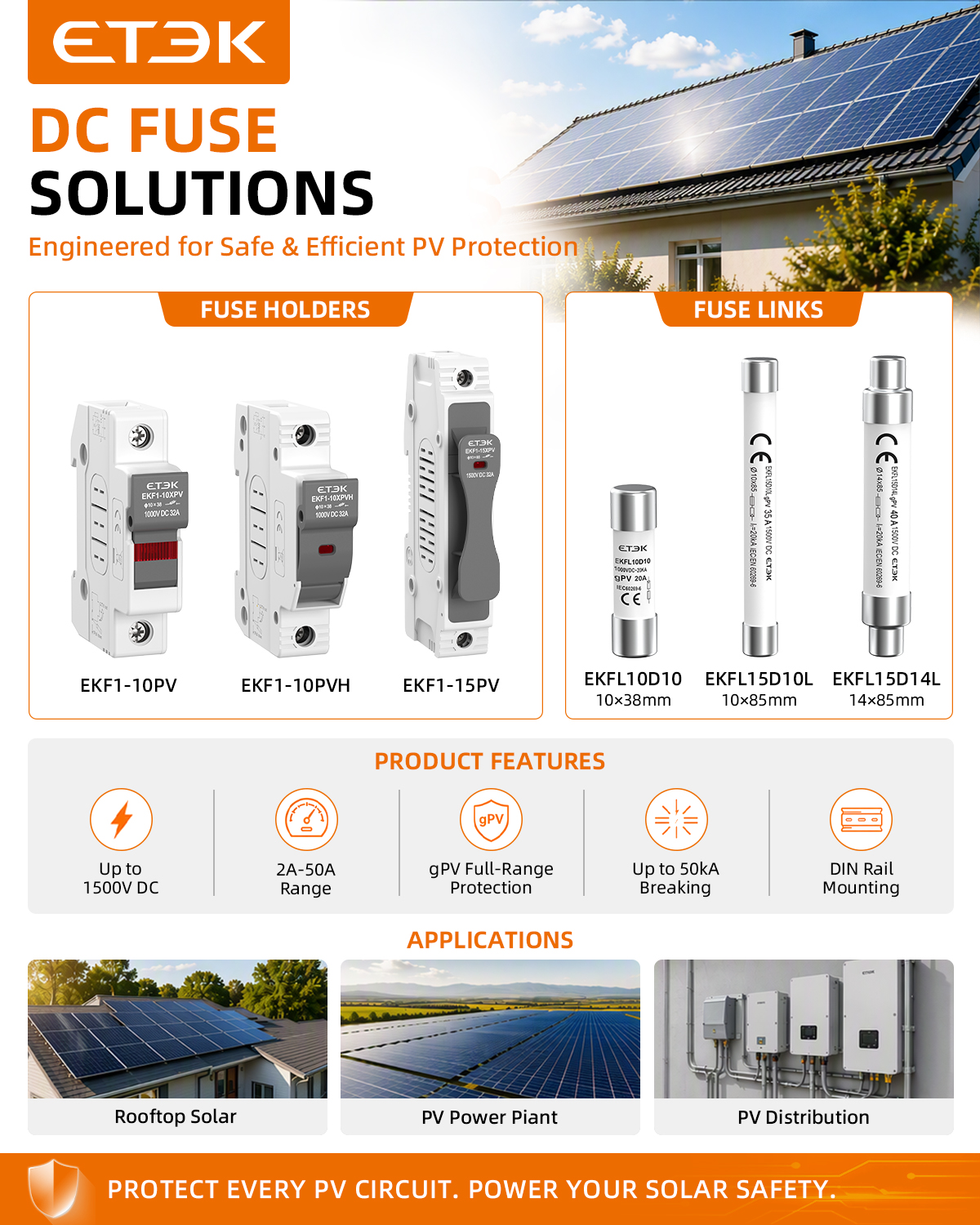
Most people size a circuit breaker by its ampere rating and stop there, which is a dangerous oversight. The breaking capacity—often printed as a number like 10 kA or 25 kA—tells you the maximum fault current the device can interrupt without the contacts welding shut or the enclosure rupturing. If a short circuit delivers 30,000 amps into a panel but the breakers are only rated to interrupt 10,000 amps, the breaker may attempt to open and then simply explode under the arc energy. This is not a theoretical concern; it happens quietly in older buildings where the available fault current has grown over time due to utility upgrades or added transformer capacity.
The real trap is that available fault current at a given point in a distribution system is rarely the same as the transformer's nameplate rating. Conductor length and size reduce it, but low-impedance feeds can leave surprisingly high values at branch panels. Before choosing a breaker, you need to know the prospective short-circuit current at its terminals—something an electrician might measure or calculate from transformer impedance and cable run. Once that number exceeds the breaking capacity marking, the breaker becomes a liability rather than a protection device. Options include moving to a current-limiting fuse, installing a breaker with a higher interrupting rating, or adding series impedance to bring the fault current down.
Standards like UL 489 and IEC 60947-2 don't treat breaking capacity as a marketing figure. A breaker must pass a test at its rated value with a defined power factor and recovery voltage, then still contain the arc and not endanger nearby equipment. After such a test, the breaker may be destroyed internally but it must not allow the fault to escape. That containment is what separates a nuisance trip from a catastrophic failure. So when you see "10 kA" on a miniature breaker, you're looking at a physical promise: up to that level, the device will fight the fault to a standstill instead of becoming part of the fire.
Know Your DC Fuse Types: Fast-Acting, Time-Delay, and High-Voltage
DC fuses aren't one-size-fits-all, and grabbing the wrong kind can leave your circuit unprotected or cause nuisance trips. The three main types you'll run into are fast-acting, time-delay, and high-voltage fuses. Fast-acting fuses blow almost instantly when current exceeds the rated value, making them ideal for sensitive electronics where even a brief overload can destroy components. Time-delay fuses, sometimes called slow-blow, tolerate temporary surges like motor startups or capacitor charging without opening, then still clear sustained faults. High-voltage fuses are built for DC systems above 1000 volts, often found in solar arrays, battery banks, and EV infrastructure, with special arc-extinguishing designs to safely interrupt massive fault currents.
Choosing between them comes down to what you're protecting. A fast-acting fuse in a motor circuit would nuisance-blow every time the motor spins up. A time-delay fuse in a microcontroller board might let damaging current through for too long. And high-voltage fuses aren't just bigger versions of low-voltage ones — they use sand-filled bodies, special element shapes, and longer physical lengths to prevent an arc from restriking after the fuse element melts. Pay attention to both the voltage rating and the interrupting capacity; a 32V automotive fuse has no business in a 600V solar string.
The real trick is matching the fuse's time-current characteristic to your load profile. Fast-acting fuses often carry a lower thermal mass and thinner element, so they open quickly but can fatigue from repeated inrush pulses. Time-delay fuses add a heat sink or spring-loaded element that buys a few seconds. High-voltage DC fuses must handle the fact that DC has no natural zero-crossing like AC, so the fuse has to stretch the arc, cool it, and increase resistance until the fault current drops to zero. If you're ever unsure, check the manufacturer's curve — it'll show you exactly how long the fuse takes to blow at different multiples of rated current.
Supplier Certifications Worth Verifying in a Wholesale Order
When you're placing a wholesale order, supplier certifications aren't just pieces of paper—they're a signal that the factory has been audited against real standards, not just marketing claims. Start by checking for ISO 9001 for basic quality management, but don't stop there. If you're sourcing electronics, ask about RoHS or CE compliance; for textiles, look for OEKO-TEX or GOTS if organic matters to your customers. A supplier who proactively shares these certificates without you having to chase them down is already ahead of most.
Beyond the common ones, dig into industry-specific credentials that matter for your niche. For food or cosmetics, GMP or HACCP shows the facility follows hygiene and safety protocols that third-party inspectors verify. For toys or children's products, EN71 or ASTM F963 isn't optional—it's the difference between a smooth customs clearance and a rejected shipment. Ask for the certificate number and verify it directly on the issuing body's website. A surprising number of suppliers will hand over a PDF that's expired or from a different factory name, so this 30-second check saves you from a costly mistake.
Finally, remember that certifications are only as good as the audit behind them. Some suppliers buy certificates from low-credibility agencies that never actually visit the factory floor. Look for ones issued by recognized bodies like SGS, TÜV, Bureau Veritas, or Intertek. If a supplier's certification comes from an agency you've never heard of, treat it with the same skepticism you would a five-star review written by the owner's cousin. A phone call or a quick video tour during production can reveal more than any framed certificate on the office wall.
Weighing Bulk Discounts Against Real-World Replacement Costs
Bulk pricing looks straightforward on paper: the more you buy, the less each unit costs. But the real question isn't what you pay today—it's what you'll pay if something goes wrong. Items get misplaced, break sooner than expected, or expire before you can use them. When that happens, the replacement usually comes at full price, not at the bulk rate. So the discount you celebrated upfront can quietly disappear the moment you have to buy one or two replacements on short notice.
A common mistake is treating every bulk purchase as automatically better. Suppose you buy a large pack of batteries or cables because the per-unit price is tempting. If a few turn out to be duds, you're stuck either living without them or paying retail for a small pack. That small pack might cost 60% more per unit, which erases the savings from the bulk order. Factor in the time spent hunting for a replacement or waiting for shipping, and the "good deal" starts to look average at best.
The smarter approach is to compare bulk pricing against a realistic failure or waste rate. Estimate how many units you'll actually use before they need replacing or expire. Then divide the total cost by that number, not by the original quantity. If the result is still comfortably below the cost of buying fewer high-quality items, the bulk discount holds. If not, a smaller order from a seller with a solid warranty or return policy may save more money in the long run, even if the sticker price is higher.
Field-Testing Questions to Ask Before Finalizing Your Order
When you're close to signing off, don't settle for lab results or glossy spec sheets. Ask how the product actually behaved when someone used it daily for three months in a dusty workshop, or left it in a hot delivery van overnight. Request specific examples of field trials where conditions were less than ideal, and pay attention to what the supplier doesn't volunteer—like the time a batch failed under high humidity and had to be quietly recalled. If they can't point to a real-world stress test, that's a bigger red flag than any minor spec mismatch.
Get them to talk about edge cases and near-misses. Instead of "does it work?", ask "what's the most unusual way a customer has broken it, and what did you change afterwards?" A supplier who has never seen a failure is either lying or hasn't sold many units. Dig into the returned units or warranty claims—what percentage came back, and for what reasons? Those numbers tell you more about field durability than any MTBF figure printed in a brochure. Also ask whether they've tested the product with your specific use pattern, not just a generic industry standard.
Finally, push past the purchase order to the months after deployment. What replacement parts wear out first, and are they easy to source locally or do you have to wait for an overseas shipment? Ask about firmware updates, calibration drift, and whether routine maintenance requires specialized tools or a service contract. If the sales rep only talks about upfront cost and never mentions the total effort to keep the thing running in your environment, you're likely buying a demo model, not a field-ready solution.
FAQ
Check rated voltage, breaking capacity, and current rating against your system's worst-case fault conditions. For DC circuits, also confirm the time constant and whether the fuse can safely interrupt at the maximum prospective short-circuit current. Neglecting breaking capacity often leads to catastrophic failure.
Match the fuse's time-current curve to the load profile. Fast-acting types suit sensitive electronics where even brief overcurrents cause damage. Time-delay versions handle inrush from motors, capacitors, or transformers without nuisance tripping. If your inventory serves mixed applications, consider stocking both but clearly label their intended use.
Look for UL 248-1 and UL 248-14 for supplemental and photovoltaic fuses, IEC 60269 for industrial use, and specific ratings like 10 kA interrupting capacity. For automotive or marine applications, check SAE or ISO standards. Ask suppliers for third-party test reports rather than relying on their claim of compliance.
Inconsistent lot-to-lot performance, vague datasheets, missing derating curves, or unwillingness to share failure analysis data are warning signs. A dependable supplier will provide samples for your own testing and stand behind batch traceability. Also be wary of prices far below market average, which often indicate recycled materials or skipped quality control.
Buying only by physical size and ignoring electrical specs, underestimating ambient temperature derating, and mixing DC fuses into AC-only inventory are frequent errors. Another is overlooking the need for spare fuse holders or compatible disconnects, which can delay installations and increase total cost.
Request a pre-production sample and run it through your own overcurrent and temperature cycling tests. Compare melting time at 135% and 200% of rated current against the published curve. Check for consistent resistance across multiple samples. If possible, perform a breaking test at the maximum fault current your application will see.
High ambient temperatures reduce a fuse's current-carrying capacity. Most manufacturers provide derating tables. For a hot environment, you may need to select a higher current rating to avoid premature opening, or choose fuses with lower internal resistance to reduce self-heating. Always factor in enclosure heat and solar load.
Total cost of ownership matters more. A cheaper fuse that fails prematurely or requires frequent replacement can outweigh upfront savings through downtime and labor. Consider holding a small safety stock of proven brands, and negotiate volume pricing based on annual usage rather than one large speculative order.
Conclusion
When sourcing DC fuses in bulk, the first step is to pin down the actual voltage and current demands of your system—not just the nominal plate values. Many buyers overlook breaking capacity, but a fuse that cannot safely interrupt the maximum fault current can turn a minor overload into an arc flash or fire. Pay attention to the fuse family too. Fast-acting fuses protect sensitive electronics, time-delay versions handle inrush currents from motors or capacitors, and high-voltage DC types are built for solar arrays and battery banks. Matching these specs before payment prevents most field failures.
Beyond the part numbers, verify supplier certifications like UL, IEC, or TUV, and ask for batch test reports instead of taking a sales sheet at face value. Bulk discounts look attractive, but factor in real-world replacement costs. A cheaper fuse that fails prematurely or damages downstream equipment costs far more than the per-unit savings. Before finalizing, ask the supplier field-testing questions—how the fuse behaves under temperature swings, humidity, and repeated short-circuit events. A few targeted questions now will save you from warranty headaches and unplanned downtime later.
Contact Us
Contact Person: Andy
Email: [email protected]
Tel/WhatsApp: +86 13356133008
Website: https://www.etek-china.com/