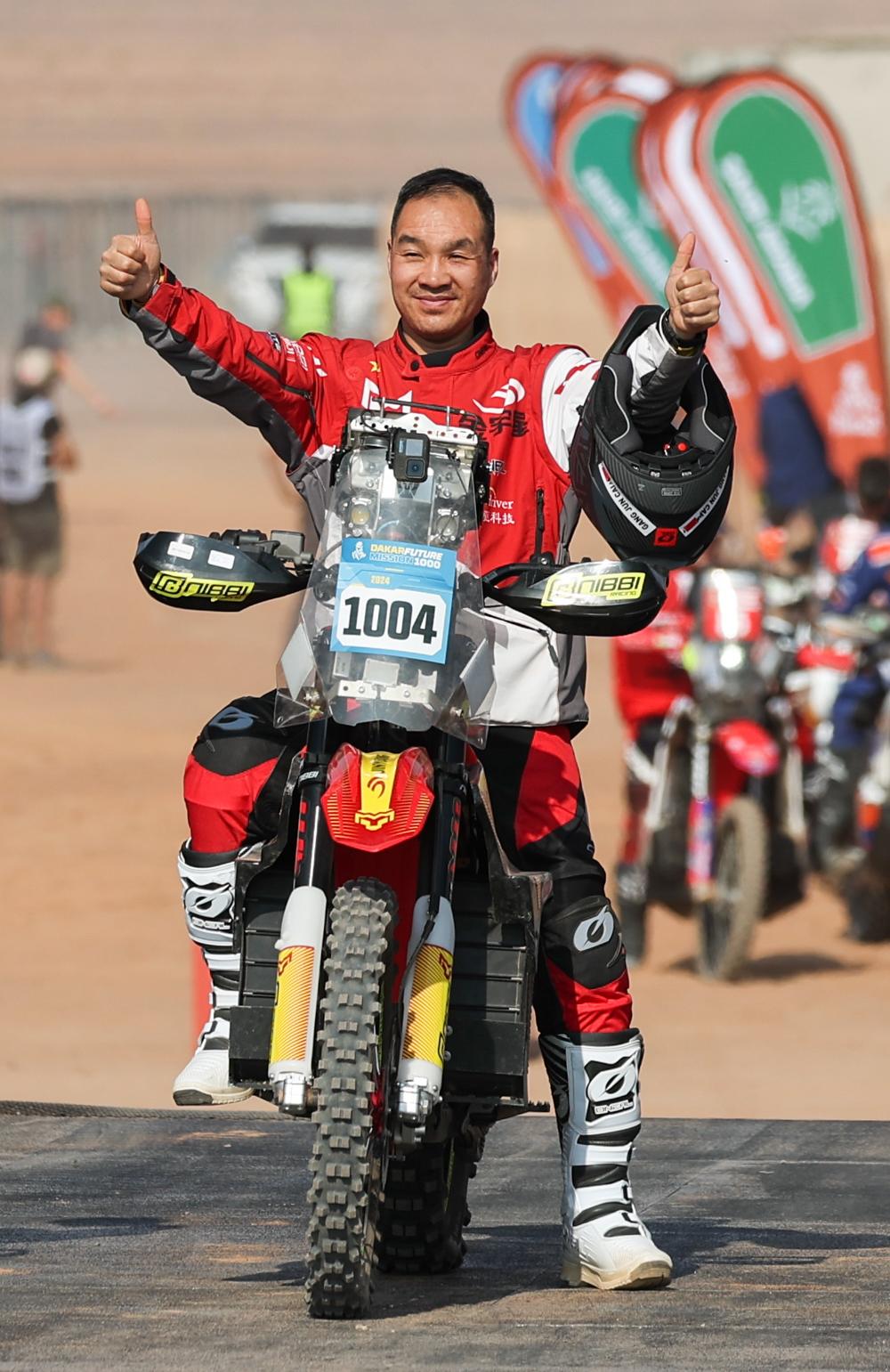

XD Pro Electric Dirt Bike Factory Builds High-Performance Electric Dirt Bikes for Off-Road Adventures
2026-11-16
Most dirt bikes shout. The XD Pro electric dirt bike factory builds machines that let the trail speak instead, pairing instant torque with near-silent power and enough range to chase the horizon. For riders ready to trade engine noise for adrenaline, Arctic Leopard is proving that high-performance electric dirt bikes are not just the future of off-road riding, they are the most fun way to get lost right now.
Frame Construction and Chassis Alignment
Frame construction starts with the base material and section shapes, but the bigger problem is controlling distortion as heat gets introduced. On a ladder frame, the rails are boxed or C-channel, and crossmembers are welded in sequence. Weld shrinkage will pull the rails out of line if the sequence ignores heat distribution. Shops that build frames on a regular basis usually work from a jig with fixed datum points and rely on skip welding or backstep passes to keep the rails from bowing.
Chassis alignment does not mean the frame looks straight to the eye. A rail can appear fine while one corner sits low once the suspension is loaded. Alignment is checked with tram gauges, string lines, or a laser system, measuring from known datum points to the suspension pickup points. The numbers that matter are crossmember squareness, rail parallelism, and the relationship between front and rear axle centerlines. A couple of millimeters at the front crossmember turns into a larger thrust angle error at the wheels.
When a frame is out, correction usually involves cold pulling with chains and hydraulic rams rather than heating the metal until it moves. Heat can shrink the affected zone and change the rail section. After a pull, the frame gets rechecked with the suspension loaded and at ride height, because a static jig measurement can hide a twist that only appears when the control arms are under load.
Battery Packaging for a Lower Center of Gravity
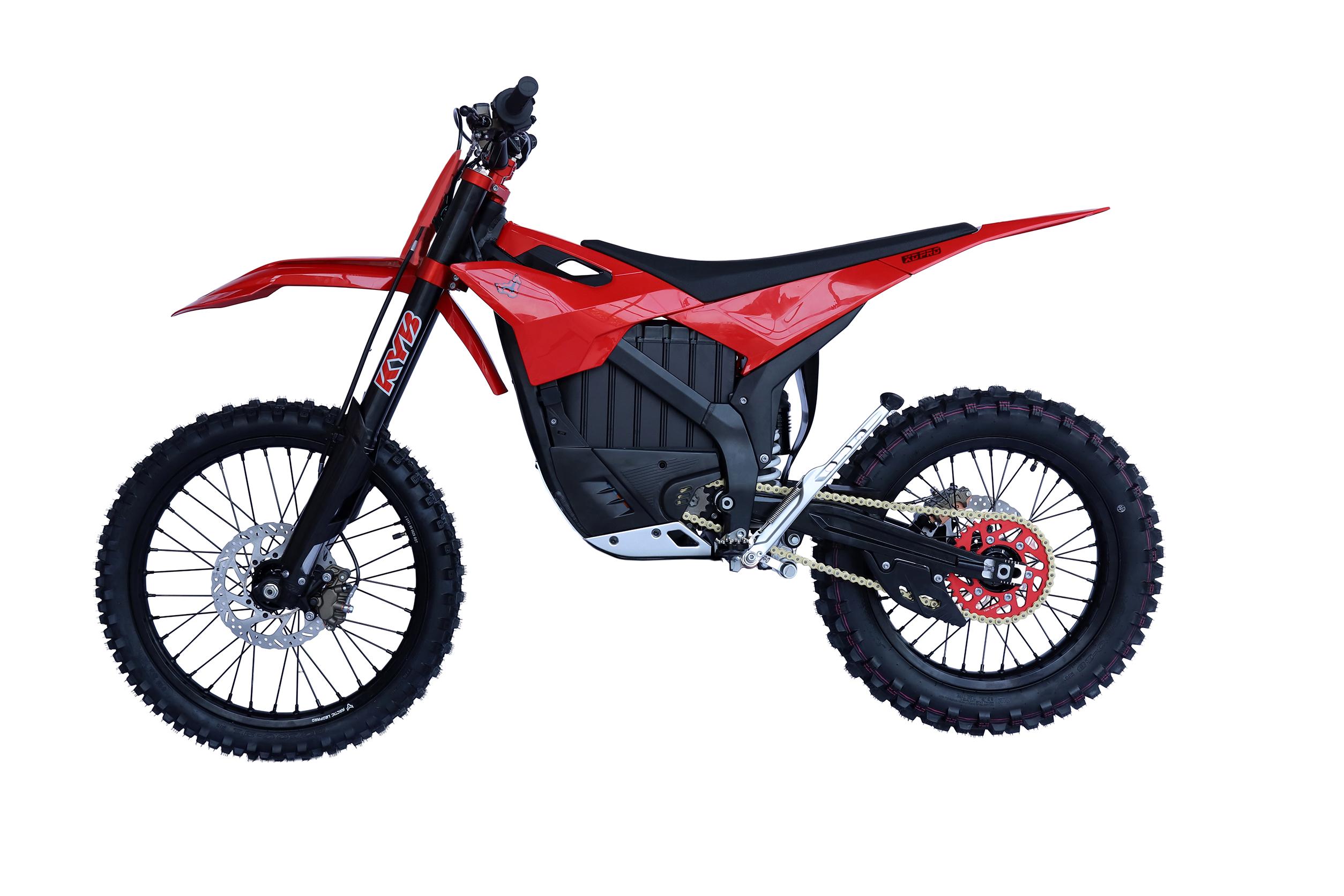
Tucking the battery pack under the cabin floor changes how mass is carried. Instead of concentrating cells behind the rear axle or stacking them high in the trunk area, the heaviest part of the vehicle sits low and between the axles. That lowers the center of gravity and makes the car feel less top-heavy when the steering wheel is turned quickly.
The benefit is most noticeable in corners and under braking. Body roll, nose dive, and lateral weight shift become easier to manage because the main mass isn't working against the suspension. There are packaging hurdles to sort out along the way, including cooling paths, impact protection, and seat mounting, but the handling payoff usually justifies the extra engineering effort.
In normal driving, the difference comes through as a calmer, more planted ride. The vehicle doesn't lean as much during low-speed turns and feels more predictable on uneven surfaces. That's why underfloor battery placement has become a core part of electric vehicle layout rather than a simple storage decision.
Throttle Tuning Across Sand, Rock, and Hardpack
Throttle control in sand is less about sudden bursts and more about keeping the rear tire hooked up as the surface constantly shifts. A steady, almost patient roll-on keeps the bike floating over the top instead of trenching the rear wheel. If the engine starts to bog, a quick feather of the clutch usually works better than a big handful of gas, because that abrupt spike just digs a hole and throws momentum away.
Rock sections punish any twitchy right wrist. The goal is to deliver torque without breaking traction, so short, precise throttle inputs at low rpm let the tire crawl over ledges rather than spinning off them. It often feels like you are threading the bike through gaps with the throttle as much as the bars—just enough drive to unload the front, but never so much that the rear steps out.
On hardpack, there is finally room to be more direct. Once the bike is upright and driving out, you can roll the throttle open earlier and lean on the available grip, though the rear will still squirm if you treat it like pavement. The trick is reading how the tire hooks up in the first few feet and then adjusting the rate of roll-on, keeping the chassis settled instead of chasing slides.
Suspension Valving for Rough Trail Feedback
On rocky, root-choked descents the shim stack needs to move oil quickly enough to keep the tire tracking over jagged edges, yet ramp up before the stroke blows through mid-travel. Pulling a face shim or stepping down to a smaller clamp often lets the fork or shock react to high-speed chatter without turning the ride soft under braking.
Rebound tuning matters just as much when the trail gets rough. If the rebound returns too fast after a square-edge hit, the bike kicks back and the front end starts hunting for traction. Slowing the rebound a click or running a slightly firmer rebound stack gives the wheels time to recover, reducing that hollow, uncontrolled feel on repeated impacts.
Keep notes on small changes such as removing one shim, changing clamp diameter, or adjusting oil weight, because rough trail feedback shifts with speed and tire pressure. What feels planted at race pace may feel harsh on a slow, technical climb, so a valving setup that covers a wide range of terrain usually needs a careful compromise in the mid-speed stack.
Dust and Water Intrusion Protection
Fine particles and moisture have a habit of finding their way into places they don't belong. Whether it's wind-driven rain sneaking past a gasket or construction dust settling onto sensitive contacts, the damage often starts small and shows up months later as corrosion or intermittent failures. A well-designed enclosure treats every seam, joint, and cable entry as a potential leak path rather than assuming a basic seal will hold up over time.
Effective protection comes down to more than just choosing a high IP rating on paper. The actual performance depends on how gaskets are compressed, whether drain holes allow condensation to escape without letting spray in, and how well cable glands match the specific wire diameters. In the field, temperature swings can cause breathing effects that pull moisture inside, so venting strategies matter just as much as sealing. Ignoring these details often turns a promising design into a service headache.
Testing early with realistic conditions makes the difference. Simulated rain from multiple angles, exposure to fine talc or cement dust, and thermal cycling can expose weak points that static checks miss. Once you've seen how airborne grit works its way under a poorly seated cover, or how a constant spray finds a path through a strain relief, the value of proactive protection becomes obvious. The goal isn't perfection—it's building in enough margin that the equipment keeps working long after the warranty expires.
Pre-Shipping Ride Checks and Adjustments
Before a bike leaves the shop, it goes through a series of quiet but critical checks. The brake levers are pulled with full force, the gears are clicked through every combination, and the wheels are spun to catch even the faintest rub. This is not about following a checklist for the sake of it, but about making sure the first ride feels like the bike already knows the rider. Small tweaks to the saddle height, handlebar angle, and cable tension often happen here, long before the box is sealed.
Some adjustments are invisible once the bike is packed, yet they matter more than the glossy paint. A slight tightening of the headset, a careful alignment of the derailleur hanger, or a drop of grease on a pedal thread can prevent a frustrating creak or a poor shift a few weeks down the road. We treat each bike as if we were the ones unboxing it, because the real test isn't in the workshop, it's on the first climb away from home.
The final spin is done without music, without distraction. Hands rest on the grips, pedals turn slowly, and each sound is listened to as a potential story. If a cable pings against the frame or a brake pad hesitates, it gets fixed now, not later. That last minute of patience in the shop is what separates a bike that simply works from one that feels immediate and forgiving on day one.
FAQ
It pairs an aluminum perimeter frame with long-travel suspension and a torque-rich motor that delivers power progressively on loose climbs. The battery and controller are sealed against dust and water, so rocky, muddy trails are part of normal use rather than a special case.
Each bike rolls through a series of checks after assembly, including suspension setup for the intended rider weight, brake bedding, and a short dyno run. A technician does a low-speed trail simulation before the bike is crated, so common issues are caught before delivery.
On mixed single-track with steady elevation change, most riders see roughly 40 to 55 miles per charge in the standard map. Using the high-power mode aggressively can cut that figure, while the optional swappable battery pack makes longer days more practical.
Yes. The throttle response can be dialed back through selectable power maps, and the lower seat option keeps footing predictable on uneven ground. Strong regenerative engine braking also helps control descents without relying only on the rear brake.
It removes several gas-bike chores entirely, like oil changes, air filter cleaning, and carburetor tuning. You still inspect the chain, brake pads, spokes, and suspension seals regularly, but the overall service checklist is noticeably shorter.
The motor, battery housing, and harness connectors are designed for wet conditions, so splashes and shallow crossings are fine. Deep submersion is not recommended, but normal mud, rain, and stream edges won't require special precautions.
Riders can choose suspension valving and spring rates matched to their weight, wheel size, graphics, and a lighting kit for dusk rides. The battery capacity can also be specified at order time, which makes the bike easier to tailor to a particular riding area.
It is much quieter than a gas dirt bike. The dominant sounds are tire and chain noise, with a faint motor whine under hard acceleration, so it tends to blend into the landscape rather than announcing itself from the next ridge.
Conclusion
At the XD Pro factory, the build starts with frame construction and chassis alignment, where each weld and pivot point is verified before anything else gets mounted. The team pays close attention to how the battery pack sits inside the frame, keeping mass low and centered so the bike feels planted in berms and stable over loose climbs. That lower center of gravity makes a noticeable difference when the throttle map switches from sandy washes to rocky ledges or hardpacked singletrack. Instead of applying one power curve everywhere, the technicians tune the response for each surface, softening initial torque in deep sand, adding a sharper bite for rock ledges, and smoothing the mid-range for hardpack. Suspension valving follows the same logic: shim stacks and clicker settings are adjusted to handle high-frequency trail chatter without losing composure on bigger hits.
Before the bikes leave the floor, every harness, connector, and seal gets checked for dust and water intrusion, since off-road use means fine grit, mud, and creek crossings are unavoidable. The factory runs each unit through a pre-shipping ride check that includes braking, steering head tension, chain or belt alignment, and suspension sag. Any adjustment is made on the spot rather than pushed to the dealer. This end-to-end approach keeps the XD Pro from feeling like a generic electric motorcycle; the tuning reflects the surfaces riders actually encounter, and the final inspection is about ride quality, not just assembly completeness.
Contact Us
Contact Person: Jack
Email: [email protected]
Tel/WhatsApp: +86 15657688888
Website: https://www.arctic-leopard.com